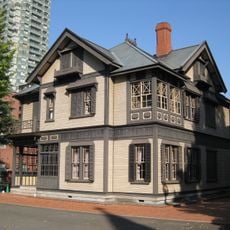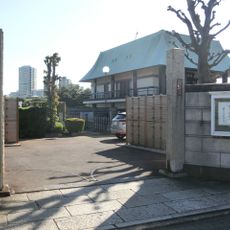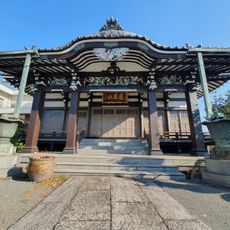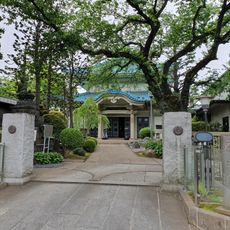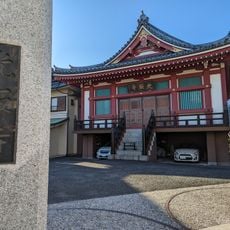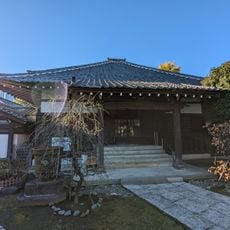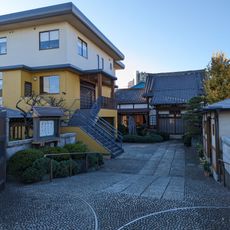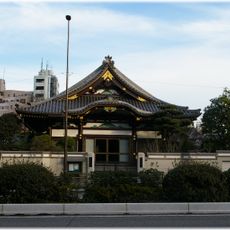
Ebara Hatakeyama Museum of Art, Art museum in Shirokanedai, Japan
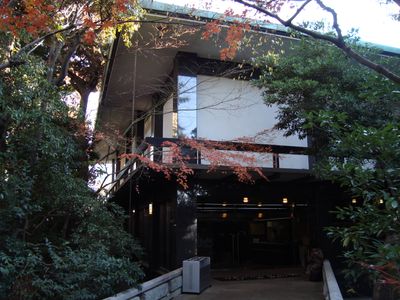
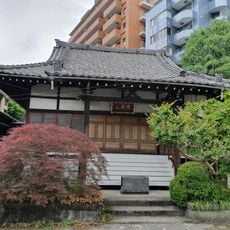
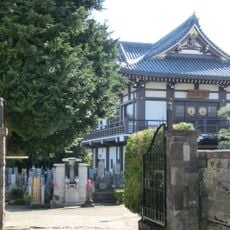
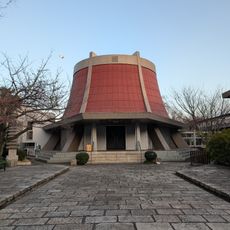
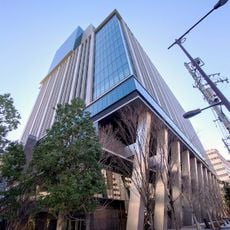
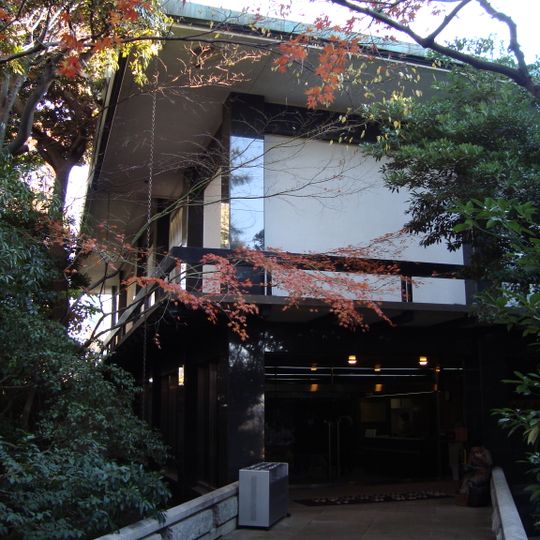
The Ebara Hatakeyama Museum of Art is an art museum located on a former Satsuma clan estate in Tokyo's Shirokanedai neighborhood. The building features naturally lit gallery spaces divided by traditional wooden screens displaying ancient art objects.
An industrialist named Issei Hatakeyama established this institution in 1964 to display his collected pieces. The land beneath it had served as a residential property for the Shimazu family of the Satsuma domain starting in 1669.
Hatakeyama Issē took the pen name Sokuō and was known as a tea master; his collection reflects that practice, with famous tea utensils such as the "Kōshin" and "Denchū" bowls and 30 pieces recorded in the Unshū Kurachō, the ledger of Matsudaira Fumai, whom he admired. He also practised Hōshō-school nō from childhood, so nō masks and costumes are part of the collection. Exhibitions change with the seasons, under titles such as Spring Exhibition and Summer Exhibition.
The museum sits near the boundary of Minato and Shinagawa wards, a five-minute walk from Takanawadai Station on the Toei Asakusa Line and about ten minutes from Shirokanedai on the Namboku and Mita lines. It closes on Mondays, except public holidays, when it shuts the following Tuesday, and also during exhibition changes and the New Year holidays. Opening hours run 10:00 to 17:00 from April to September and 10:00 to 16:30 from October to March.
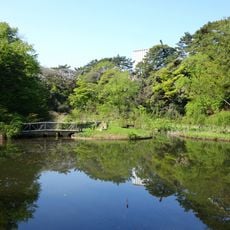
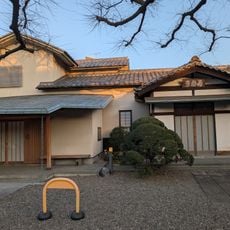
The garden tea houses — Sara-an, Sui-an, Meigetsuken, Shin zashiki, Jōrakutei and Bishamondō — can be rented, and once a year a guided tour opens them to visitors. Five of these buildings, with Shō-an inside the main hall, were designated tangible cultural properties by Minato City on 28 October 2020.
The community of curious travelers
AroundUs brings together thousands of curated places, local tips, and hidden gems, enriched daily by 94,262 contributors worldwide.