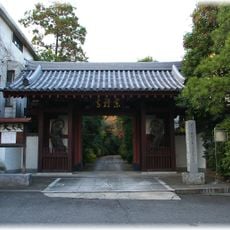
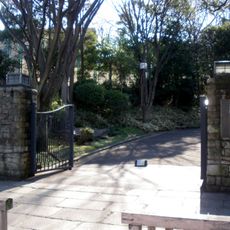
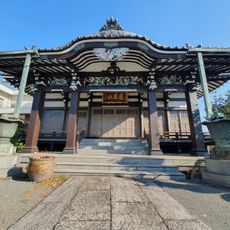
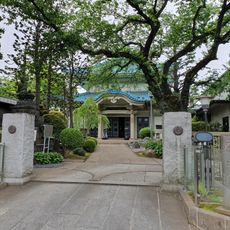
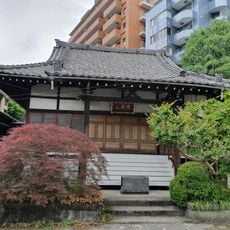
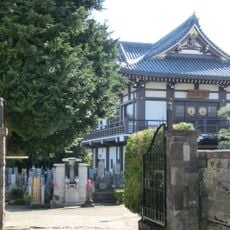
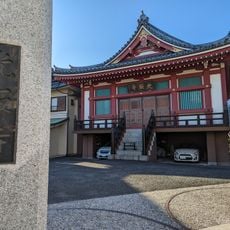
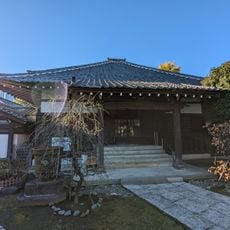
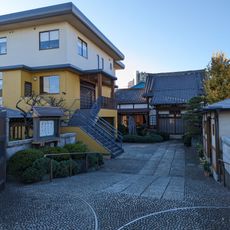
Kiji-jinja, Shinto shrine in Shinagawa ward, Tokyo, Japan
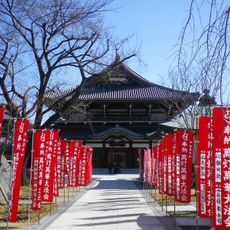
Kiji-jinja is a Shinto shrine in Higashi-Gotanda, Shinagawa ward, Tokyo. It enshrines Yamato Takeru no Mikoto, Ame no Tajikarao no Mikoto and Ōyamatsumi no Mikoto, and within its grounds stands a subordinate shrine, Mishō-ji, dedicated to Ōkuninushi no Mikoto, Ukanomitama no Mikoto and Haniyasu-hime no Mikoto. Until the Meiji era the neighbouring Hōtō-ji served as its bettō temple.
The shrine's origin is dated to the Bunmei era (1469–1487), when villagers enshrined Ōtori Myōjin following a dream. In the Edo period, shogun Tokugawa Iemitsu, during a falconry outing, saw a white pheasant fly into the grounds and ordered the shrine renamed Kiji-no-miya. It became Kiji-jinja at the Meiji Restoration, and in 1910 the Mishima Shrine of Kami-Ōsaki was merged into it.
The shrine's name comes from a white pheasant that flew into the grounds during a falconry visit by the third Tokugawa shogun, Iemitsu, in the Keichō era; he ordered it called Kiji-no-miya, and it became Kiji-jinja in the Meiji Restoration. The enshrined deities are Yamato Takeru no Mikoto, Ame no Tajikarao no Mikoto and Ōyamatsumi no Mikoto, with a subsidiary shrine, Sanbashira Jinja, honouring Ōkuninushi, Ukanomitama and Haniyamahime.
Kiji-jinja is about a 5-minute walk from Gotanda Station, served by the Yamanote, Toei Asakusa and Tokyu Ikegami lines. Entry to the grounds is free, and the shrine sits in Higashi-Gotanda, Shinagawa ward.
A statue of Hotei, a figure from Japanese folklore more often seen at Buddhist temples, was donated to the shrine in 2008 and stands on the grounds today. Its presence here shows how Shinto shrines and Buddhist traditions often overlap in everyday Japanese life.
The community of curious travelers
AroundUs brings together thousands of curated places, local tips, and hidden gems, enriched daily by 93,473 contributors worldwide.