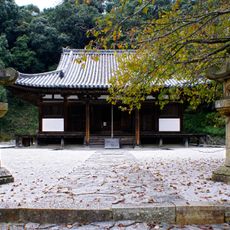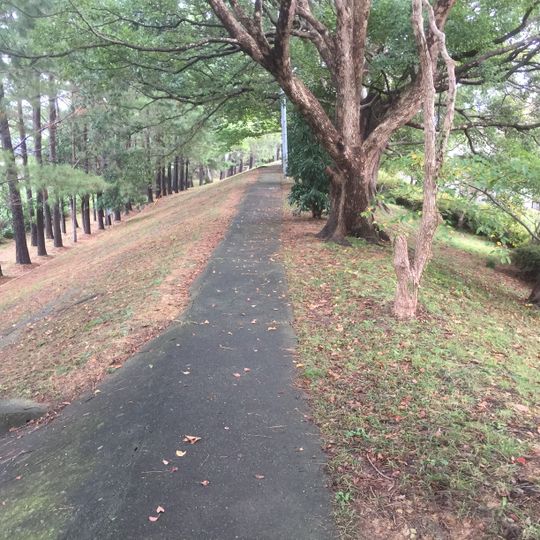
Hiromura Seawall, Seawall in Hirogawa, Japan.
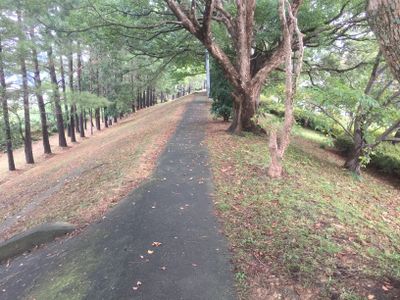
The Hiromura Seawall extends 600 meters in length as a protective coastal structure, with a 20-meter base width and a height of 5 meters above ground. It works as part of an integrated system alongside offshore breakwaters and stone embankments to defend against tsunami waves.
Following a devastating tsunami in 1854, local leader Hamaguchi Goryo initiated construction of this defensive structure between 1855 and 1858, mobilizing approximately 56,000 villagers in the effort. This massive community undertaking created a lasting line of defense for generations to come.
This structure represents a National Historic Site of Japan, showcasing traditional Japanese coastal engineering and community-based disaster prevention practices that remain central to local identity.
The best way to explore this coastal defense is on foot to fully appreciate the construction and how it integrates with the surrounding area. Visiting during clear weather allows you to see the structure in full detail and observe the shoreline around it.
During the 1946 Nankai earthquake, this structure fulfilled its intended purpose by successfully keeping tsunami water from reaching the town. That single event proved the decades-old investment had truly saved lives and homes.
The community of curious travelers
AroundUs brings together thousands of curated places, local tips, and hidden gems, enriched daily by 91,966 contributors worldwide.