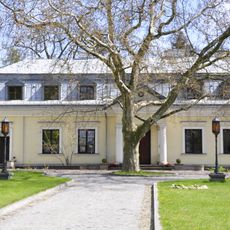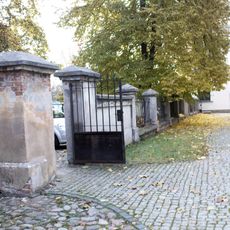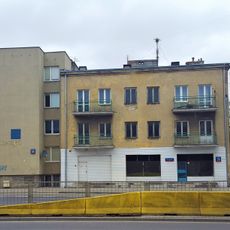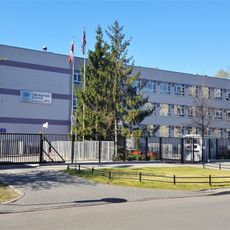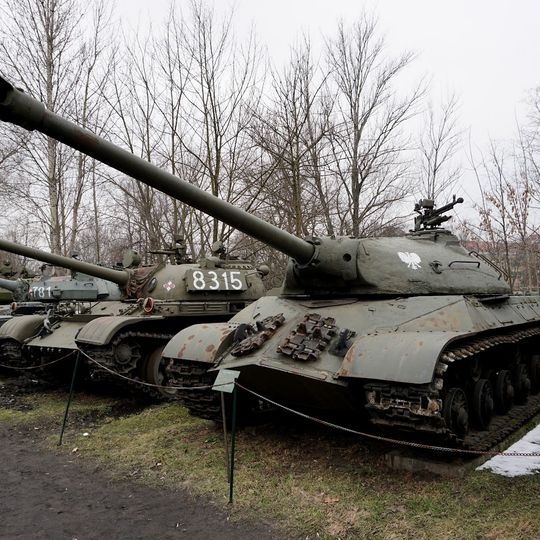
Fort IX, Military fort in Mokotów, Poland
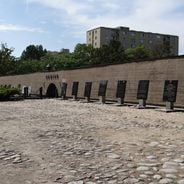
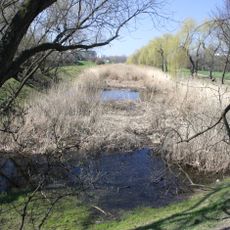
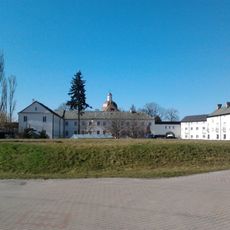
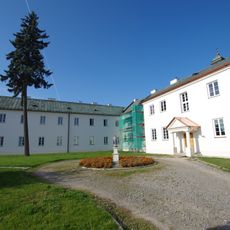
Fort IX is a military structure in Mokotów built with thick walls, underground passages, and defensive positions arranged into the surrounding terrain. The complex features multiple chambers and open areas that now serve various functions for visitors and activities.
The fort was built in the late 1800s as part of Warsaw's defensive fortification system protecting the city's southern approaches. After World War II, the structure underwent various transformations before being adapted for cultural use.
Today the fort hosts art exhibitions, photography displays, and creative workshops that use the spaces between thick walls, drawing local artists and visitors interested in both history and contemporary work.
Access to the grounds is available during daylight hours, and visitors should wear sturdy shoes as surfaces are uneven and some areas can be damp. Guided tours can be arranged and provide better orientation through the different chambers and passages.
The fort preserves elements of original military engineering, such as the arrangement of gun ports and underground routes that show how soldiers defended the position. These details reveal how warfare in the 1800s differed from modern approaches.
Location: Mokotów
Address: Powsińska
GPS coordinates: 52.18250,21.06639
Latest update: December 6, 2025 17:41
Warsaw combines medieval architecture with modern districts and offers visitors a look at several centuries of Polish history. The Old Town was reconstructed after World War II and includes the Market Square, the Royal Castle and the Barbican. The Palace of Culture has defined the skyline since the 1950s, while Wilanów outside the center displays baroque grandeur. The city stretches along the Vistula River, whose banks provide space for walking. Łazienki Park combines gardens with neoclassical buildings, while the Saxon Garden counts among Poland's oldest public parks. The POLIN Museum documents the history of Polish Jews, and the Neon Museum preserves postwar commercial signs. Praga on the right bank of the Vistula retains prewar buildings and has become an emerging arts district. Zabkowska Street shows preserved 19th-century tenements. Scientific institutions like the Copernicus Center and cultural venues complement the historical sites.
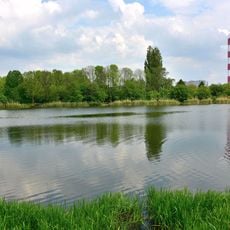
Nature reserve Jeziorko Czerniakowskie
1.3 km
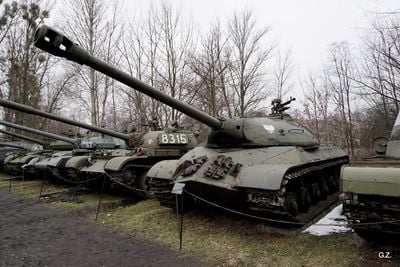
Museum of Polish Military Technology
29 m
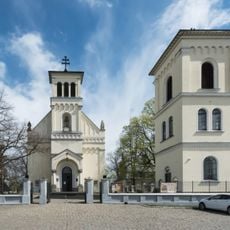
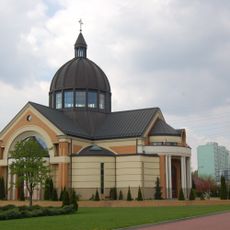
St Catherine's Church in Warsaw
1.9 km
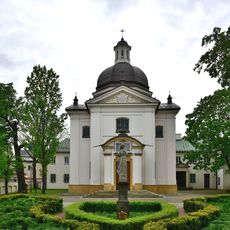
Church of St. Anthony of Padua, Warsaw
1.5 km
Gucin Gaj
1.9 km
Beit Warszawa Synagogue
1.1 km
Willa Podgórskich in Warsaw
1.3 km
Skwer Ormiański
88 m
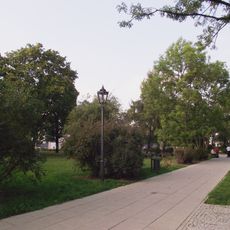
Stanisław Dygat Park in Warsaw
870 m
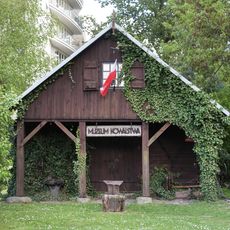
Muzeum Kowalstwa w Warszawie
1.7 km
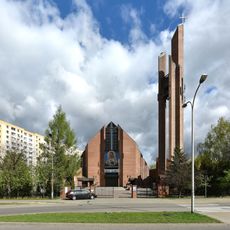
Saint Jude Thaddeus church in Warsaw
638 m
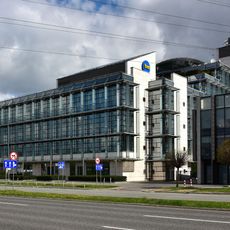
Biurowiec Canal+
1.5 km
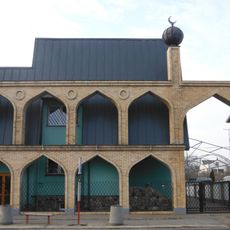
Mosque in Wilanów
1.2 km
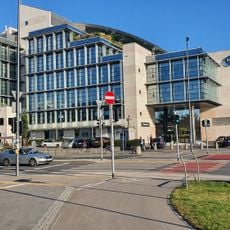
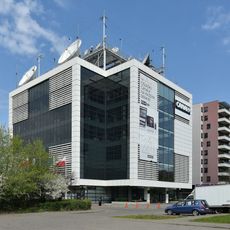
Media Business Centre (Warsaw)
570 m
"Miasto-Ogród Czerniaków"
120 m
Kościół św. Antoniego Marii Zaccari
925 m
Kościół Najświętszej Maryi Panny Matki Miłosierdzia w Warszawie
1.3 km
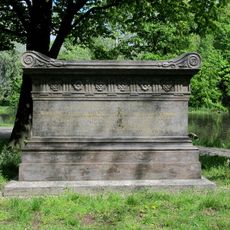
Cmentarz kościelny z „Grobami Masońskimi” i skarpą ogrodową w Warszawie
1.9 km
Ogrodzenie
1.5 km
Ogrodzenie
1.9 km
Ogród Gucin Gaj
1.7 km
Rectory of the Saint Catherine of Alexandria church in Warsaw
1.9 km
Bernardine Monastery in Warsaw
1.4 km
Klasztor
1.5 km
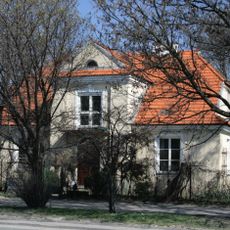
Dom przy ulicy Powsińskiej 36
372 m
Zespół domu
859 m
Budynek The British School
1.1 km
Bernardyńska Woda w Warszawie
1.4 kmVisited this place? Tap the stars to rate it and share your experience / photos with the community! Try now! You can cancel it anytime.
Discover hidden gems everywhere you go!
From secret cafés to breathtaking viewpoints, skip the crowded tourist spots and find places that match your style. Our app makes it easy with voice search, smart filtering, route optimization, and insider tips from travelers worldwide. Download now for the complete mobile experience.
A unique approach to discovering new places❞
— Le Figaro
All the places worth exploring❞
— France Info
A tailor-made excursion in just a few clicks❞
— 20 Minutes