Bobolice Castle, 14th-century royal castle in Bobolice, Poland
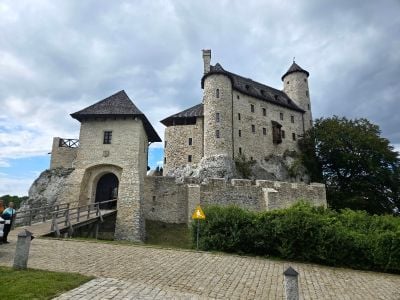
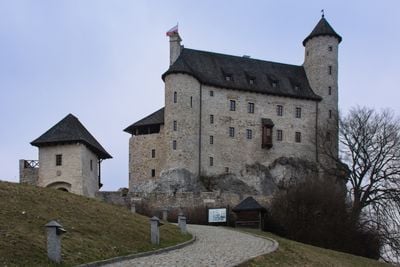
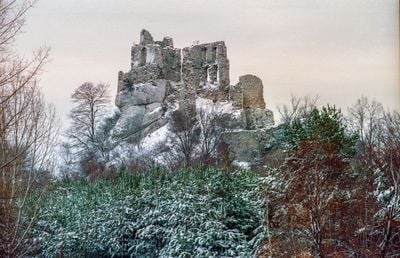
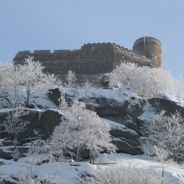
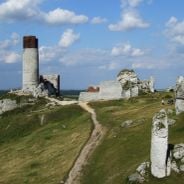
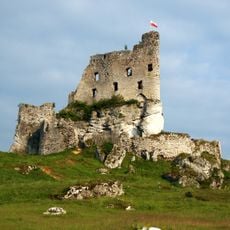
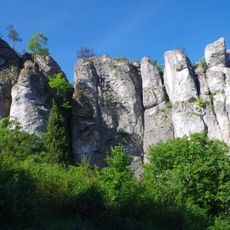
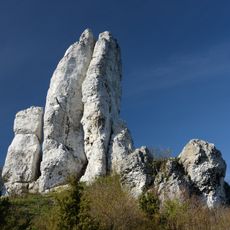
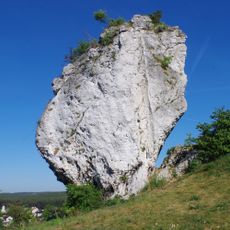
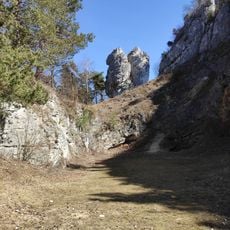
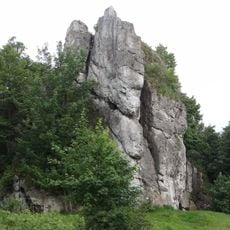
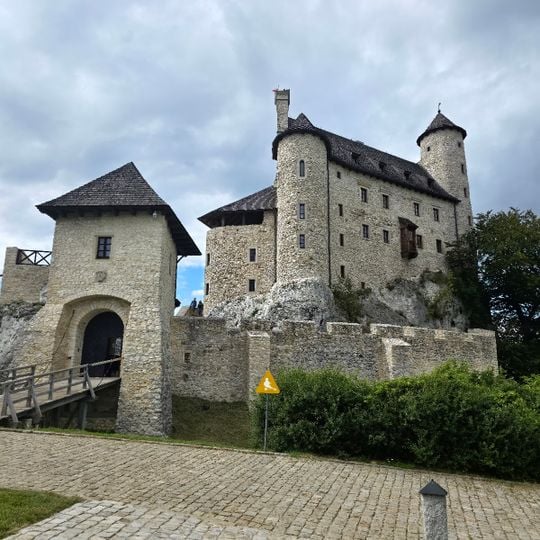
Bobolice Castle is a 14th-century fortress built on a limestone ridge and featuring white stone walls with multiple towers and defensive structures. The site displays remains of a drawbridge and the characteristic layout of a medieval stronghold designed to control the surrounding landscape.
Construction began around 1350 under King Casimir III the Great as part of a broader defensive network protecting the region from Silesian threats. This stronghold represented royal efforts to fortify key border positions during medieval times.
The castle served as a seat of noble families for centuries and remains a symbol of regional identity. Visitors can walk through rooms and imagine daily life as it unfolded within these walls.
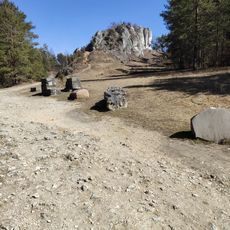
The site is accessible via hiking paths and offers sweeping views of the surrounding landscape from the hilltop. Wear sturdy footwear, as trails can be uneven and the climb up the ridge requires some effort.
Workers discovered a treasure cache in the castle cellars during the 19th century, sparking theories about a hidden underground passage to nearby Mirów Castle. The find remains one of the site's intriguing mysteries that visitors often wonder about.
Location: Bobolice, Silesian Voivodeship
Location: Silesian Voivodeship
Part of: Eagle's Nests
GPS coordinates: 50.61333,19.49306
Latest update: December 6, 2025 16:00
From the Baltic to the Black Sea, fortresses and castles define the landscape of Eastern Europe. These structures reflect military architecture from the Middle Ages through the Renaissance, displaying different defensive techniques and regional traditions. Some were built as border strongholds, others controlled trade routes or served as power centers for local rulers. Khotyn Fortress on the banks of the Dniester in Ukraine stands among the region's most significant defensive works. In Poland, Malbork Castle documents the power of the Teutonic Order, while Hermann Fortress in Estonia and Novgorod Kremlin in Russia marked strategic points in Baltic and Russian defense systems. Further south, Golubac Fortress guards the Danube at the Iron Gates, and Baba Vida Fortress in Bulgaria ranks among the Balkans' preserved medieval compounds. Many of these sites now function as museums or archaeological locations. The ruins of Strečno Castle in Slovakia overlook the Váh Valley, while Bran Castle in Romania draws visitors through its association with Dracula lore. These fortifications document centuries of military and political history across Eastern Europe.
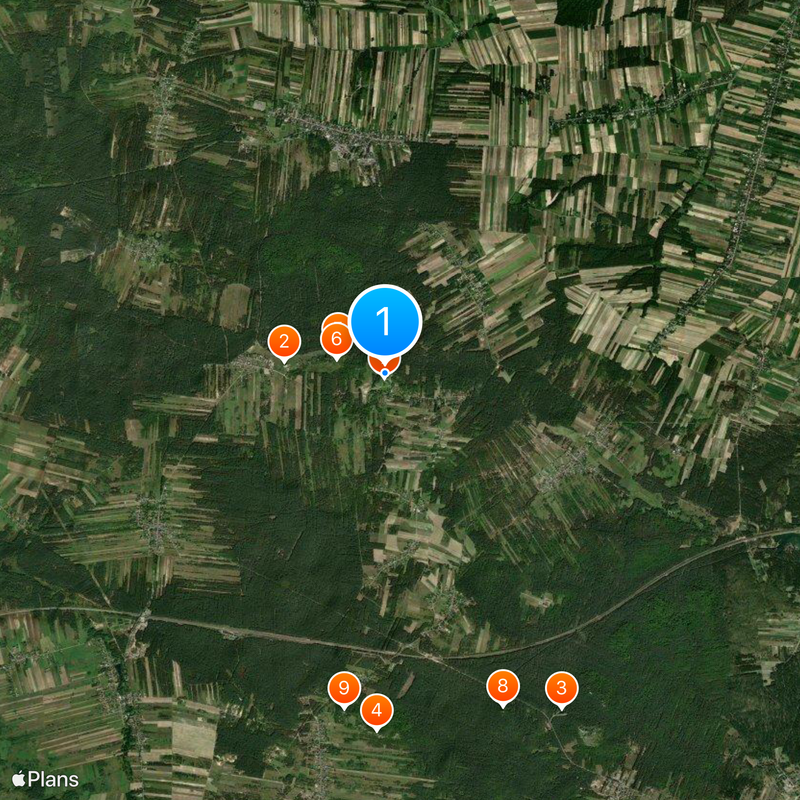
Mirów Castle
1.3 km
Cave Głęboka (Góra Zborów)
4.8 km
Rzędkowickie Rocks
4.5 km
Stajnia-Höhle
679 m
Skały Mirowskie
652 m
Brama Laseckich
53 m
Apteka
4.5 km
Wysoka (Skały Rzędkowickie)
4.3 km
Cmentarz wojenny w Kotowicach
4.2 km
Jaskinia Deszczowa
4.4 km
Grzyb
1.3 km
Jaskinia Żabia
4.9 km
Skały Podlesickie
4.8 km
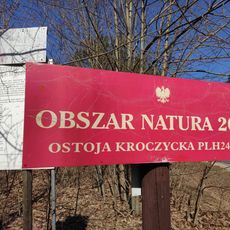
Ostoja Kroczycka
4.7 km
Sadek
4.9 km
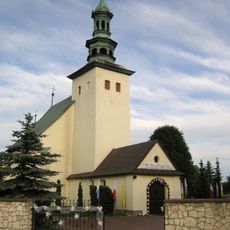
Saint Nicholas church in Niegowa
4.1 km
Młynarze
5.1 km
Kołoczek
4.9 km
Centrum Dziedzictwa Przyrodniczego i Kulturowego Jury
4.9 km
Dwoista Baszta
4.8 km
Zamkowa
3.5 km
Dziewica
4.7 km
Kruk, Skały Kroczyckie
4.8 km
Klawiatura (skała)
718 m
Ścieżka Przyrodnicza Rezerwat Przyrody Góra Zborów
4.9 km
Młynarz
5.1 km
Tata
4.7 km
Mama
4.7 kmVisited this place? Tap the stars to rate it and share your experience / photos with the community! Try now! You can cancel it anytime.
Discover hidden gems everywhere you go!
From secret cafés to breathtaking viewpoints, skip the crowded tourist spots and find places that match your style. Our app makes it easy with voice search, smart filtering, route optimization, and insider tips from travelers worldwide. Download now for the complete mobile experience.
A unique approach to discovering new places❞
— Le Figaro
All the places worth exploring❞
— France Info
A tailor-made excursion in just a few clicks❞
— 20 Minutes