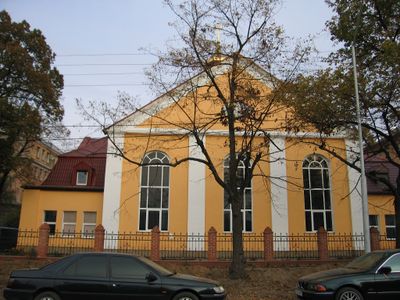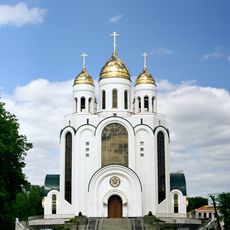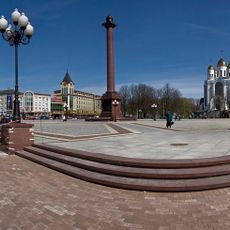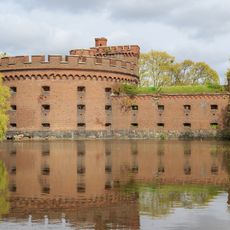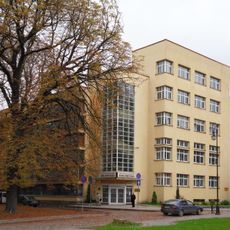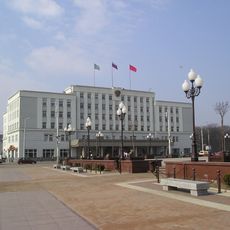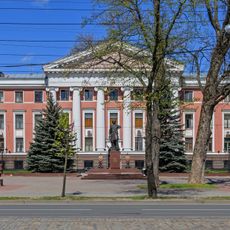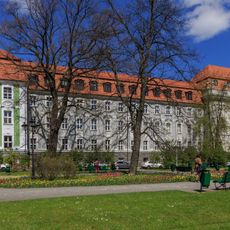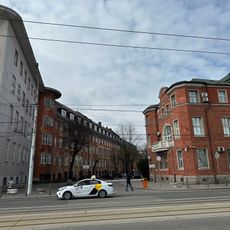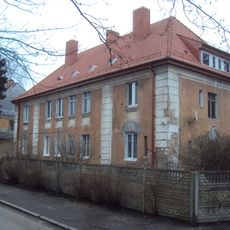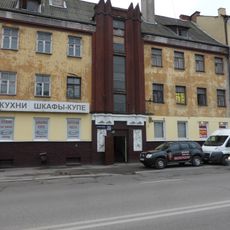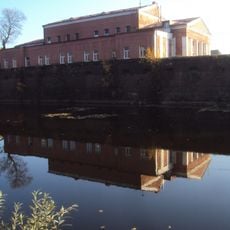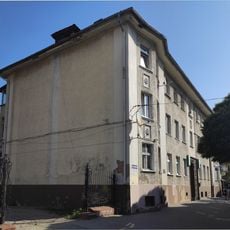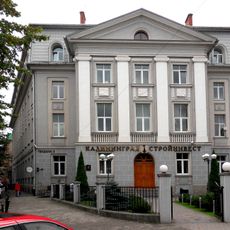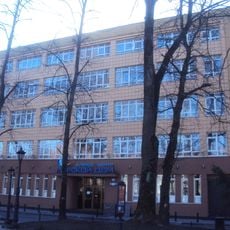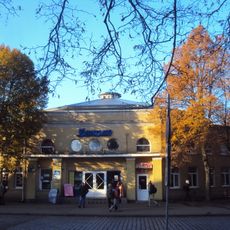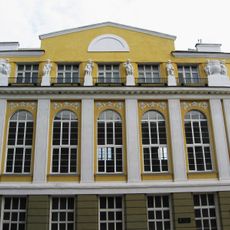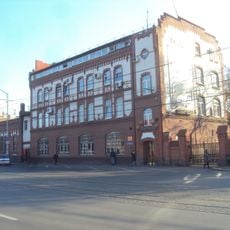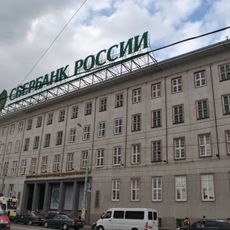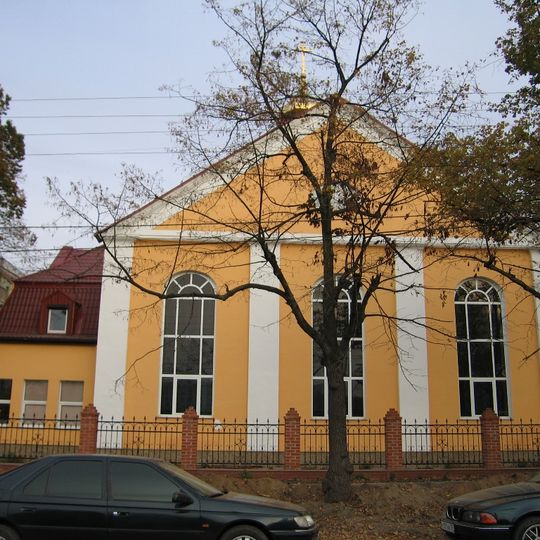
Tragheim, temple in Kaliningrad, Russia
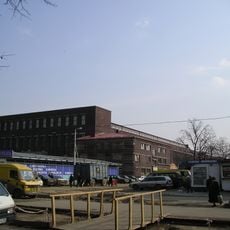
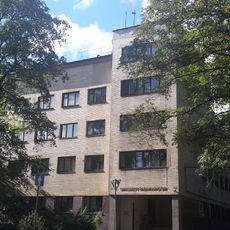
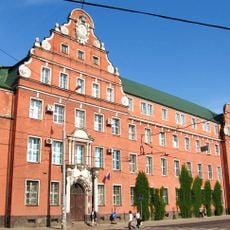
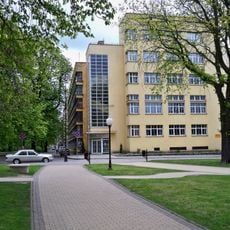
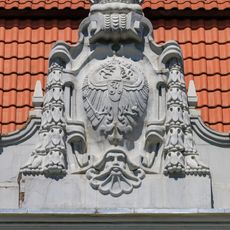
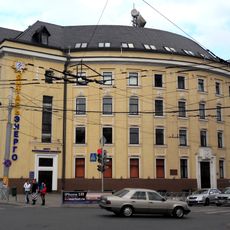
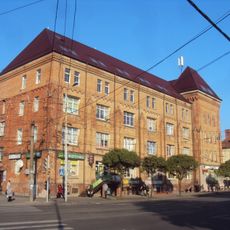
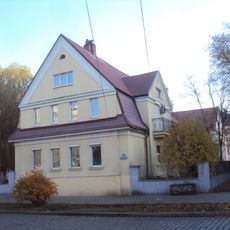
Tragheim is a neighborhood in Kaliningrad with narrow streets and old buildings dating from when the city was called Königsberg. The architecture shows influences from different periods, with brick houses, small squares, and remnants of fortifications that reveal its past as a center for merchants and craftsmen.
Tragheim was first recorded in 1299 and began as a Prussian village formed during the Teutonic Knights' expansion in the region. Over centuries it transformed from a rural settlement into a bustling urban neighborhood, eventually hosting university facilities, churches, and becoming part of Königsberg before suffering major destruction during World War II.
Tragheim was home to many different groups including Germans, Prussians, Poles, Lithuanians, and Jews who lived and worked side by side. Walking through the neighborhood today, you can still sense how this mix of cultures shaped daily life through the streets, small squares, and the way locals remember their shared history.
The neighborhood is easy to walk through and accessible, with quiet streets that make exploring pleasant and relaxing. Public transport connects Tragheim to the city center and other parts of Kaliningrad, allowing visitors to move between different areas of the district with ease.
Tragheim housed printing shops in the 16th and 17th centuries where the first Lithuanian-language Bible was printed, marking an important cultural moment for local communities. This intellectual legacy continued when the University of Königsberg moved here in 1861, turning the neighborhood into a hub for academic life and scholarship.
The community of curious travelers
AroundUs brings together thousands of curated places, local tips, and hidden gems, enriched daily by 91,985 contributors worldwide.