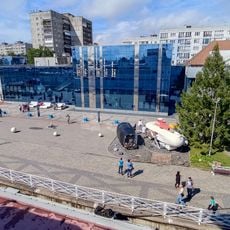
Kaliningrad, Exclave city in Baltic region, Russia
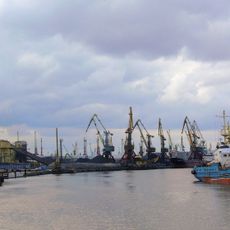
Kaliningrad sits between Lithuania and Poland along the Pregolya River, serving as Russia's westernmost territory with access to the Baltic Sea. The settlement spreads over both riverbanks, connecting residential quarters with port facilities that remain operational throughout the year.
The settlement began as Königsberg in 1255 under Teutonic Knights rule and became Soviet territory after World War II in 1945. Since then, it has remained a Russian exclave, geographically separated from the main territory of the country.
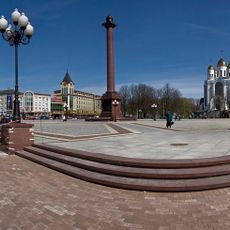
Visitors notice German-era architecture next to Soviet-era apartment blocks, while local life unfolds with a mix of Russian and Baltic identity in markets and riverside cafes. Families gather at the fish stalls along the river and at outdoor terraces throughout the day, reflecting the rhythm of daily routines in this coastal territory.
The port remains ice-free throughout the year, allowing ships to dock in any season. Visitors should be aware that a special visa is required to enter this Russian territory, as the surrounding countries belong to the European Union.
The Amber Museum displays roughly 90 percent of the world's natural deposits of this fossilized resin, extracted from nearby Baltic coastlines. Visitors can also find wartime rubble from World War II still visible in many neighborhoods, preserved within city museums.
Location: Kaliningrad Urban Okrug
Inception: 1255
Elevation above the sea: 5 m
Website: https://klgd.ru
GPS coordinates: 54.71667,20.50000
Latest update: December 2, 2025 20:58
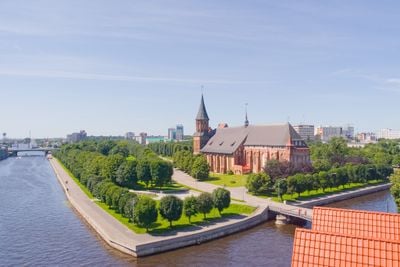
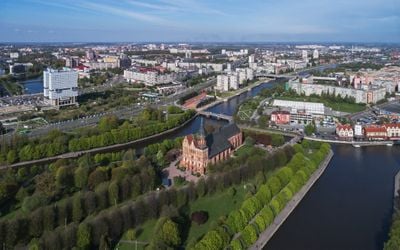
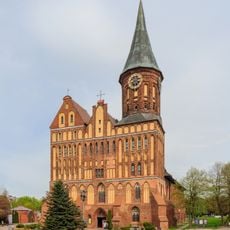
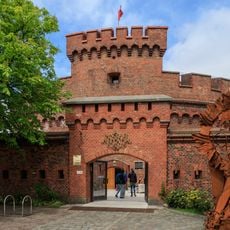
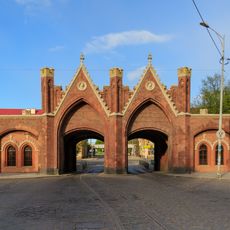
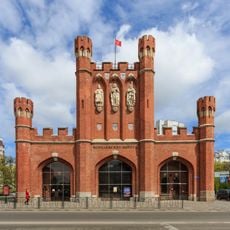
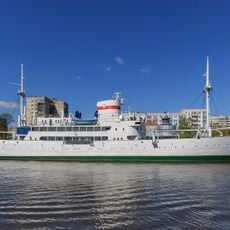
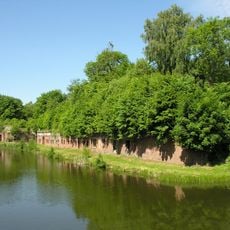
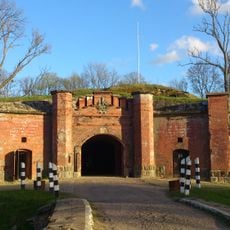
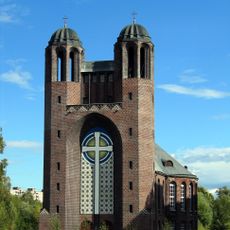
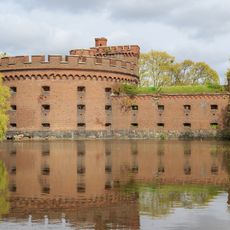
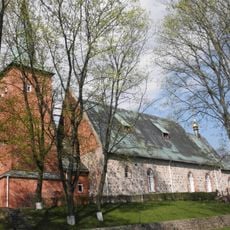
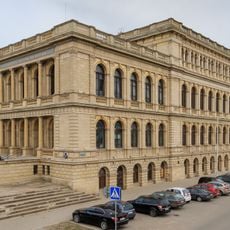
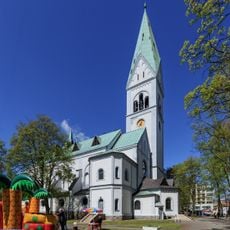
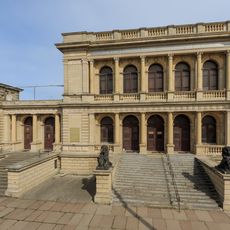
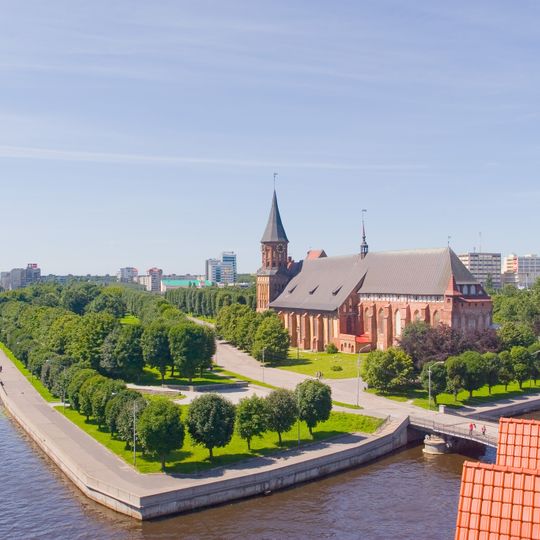
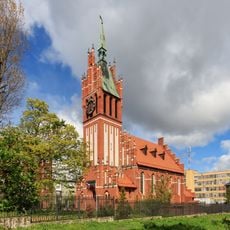
Kaliningrad is notable for the coexistence of its German and Russian heritage, resulting from a history that has shaped its current identity. The city hosts the 14th-century Kaliningrad Cathedral, a brick Gothic building now serving as a museum and organ concert venue. Prussian fortifications reflect the military past of the former Königsberg, such as the Bunker Museum, which recounts World War II events, and the historic Brandenburg and King’s Gates, which once marked the city entrances. The Kaliningrad region is known for its Baltic amber deposits, displayed at the Amber Museum housed in a 19th-century tower. The Ocean Museum exhibits research ships and maritime exploration collections. 98 kilometers from the city, the Curonian Spit extends between the Baltic Sea and the lagoon, forming a strip of sand covered with pine forests and dunes. The old Königsberg Exchange and the Church of the Holy Family complete a route mixing architectural and natural discoveries.
Rostec Arena
3 km
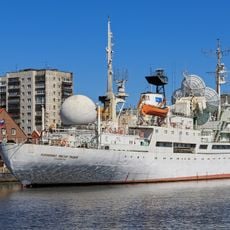
Museum of the World Ocean
1.1 km
Königsberg Cathedral
1.4 km
Kaliningrad Regional Amber Museum
1.6 km
Kaliningrad Zoo
914 m
Fishing Village Kaliningrad
1.4 km
Brandenburg Gate
2.2 km
King's Gate
2.3 km
Witjas
1.2 km
Fort 5 - King Frederick Wilhelm III
5.4 km
B-413
1.3 km
Fort № 11 Denkhoff
8 km
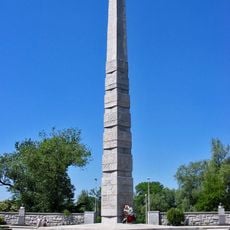
Pamyatnik 1200 gvardeitsam
877 m
Kosmonavt Viktor Patsaev
1.2 km
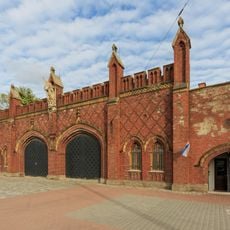
Friedland Gates
2.8 km
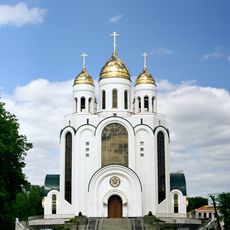
Cathedral of Christ the Saviour
511 m
Kaliningrad Railway station
2.6 km
Victory Square
351 m
Kreuzkirche
1.9 km
Max Ashmann's Park
3.9 km
Kaliningrad Devau Airport
4.8 km
Wrangel Tower, Kaliningrad
1.1 km
Church of the Holy Family
2.2 km
Dohna Tower, Kaliningrad
1.6 km
Juditten Church
4.8 km
Kaliningrad Oblast Museum of Fine Arts
1.6 km
Kaliningrad Puppet Theatre
1.6 km
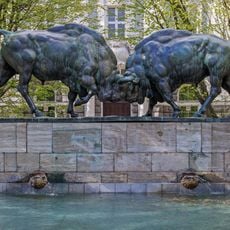
Kämpfende Wisente
459 mReviews
Visited this place? Tap the stars to rate it and share your experience / photos with the community! Try now! You can cancel it anytime.
Discover hidden gems everywhere you go!
From secret cafés to breathtaking viewpoints, skip the crowded tourist spots and find places that match your style. Our app makes it easy with voice search, smart filtering, route optimization, and insider tips from travelers worldwide. Download now for the complete mobile experience.
A unique approach to discovering new places❞
— Le Figaro
All the places worth exploring❞
— France Info
A tailor-made excursion in just a few clicks❞
— 20 Minutes