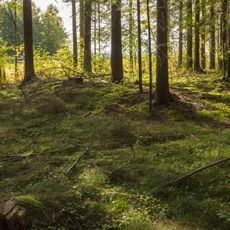
Rällingsberg ore area, Historic iron mine in Hedemora Municipality, Sweden.
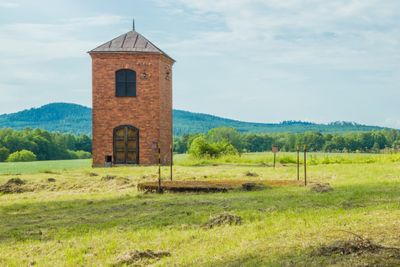
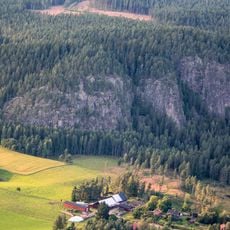
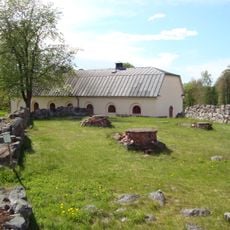
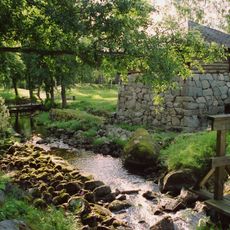
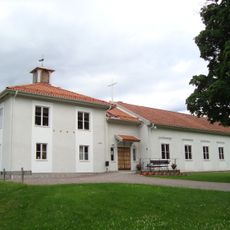
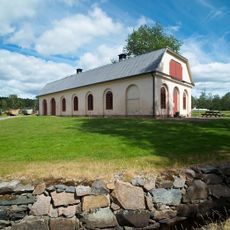
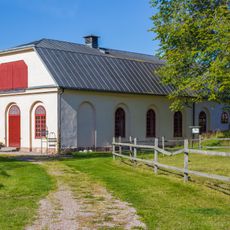
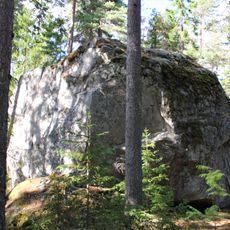
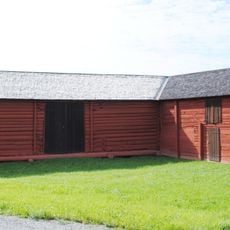
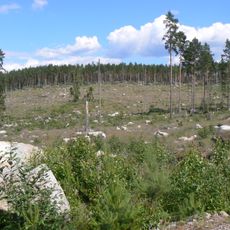
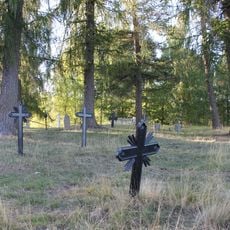
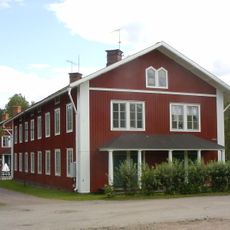
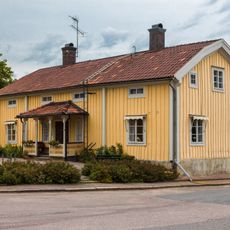
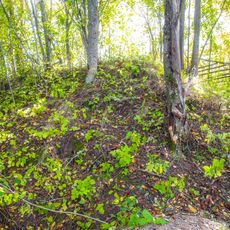
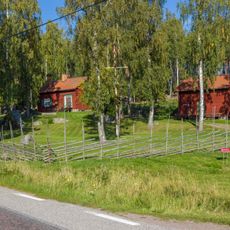
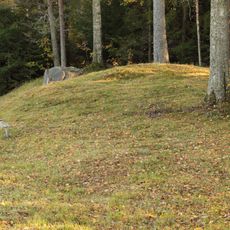
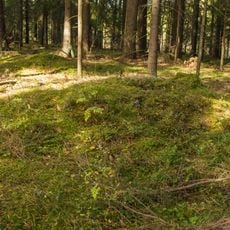
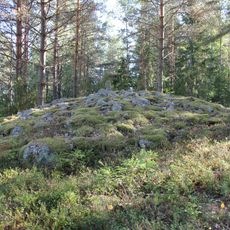
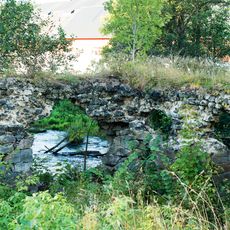
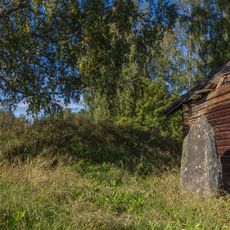
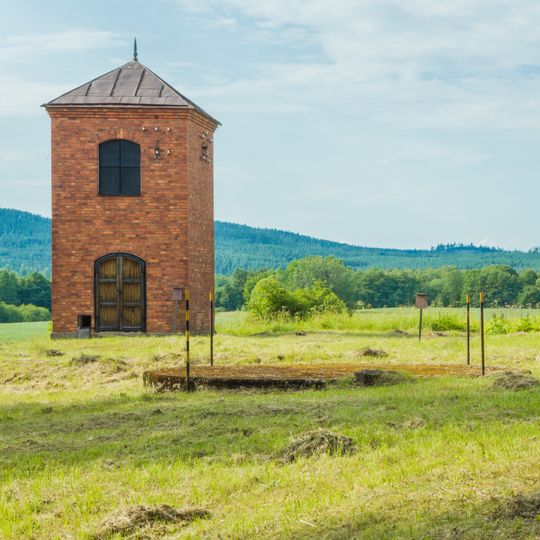
Rällingsberg ore area comprises four separate iron mines situated near Lake Rällingen with remnants of industrial structures and equipment from past operations. The complex includes a dynamite house, machine shop, sorting house, and electric transformer substation spread across the landscape.
A farmworker named Clas Westerholm discovered the deposit in 1841 using a borrowed mining compass, and operations began that same year. The mines closed in 1932 after extracting high-manganese iron ore for more than a century.
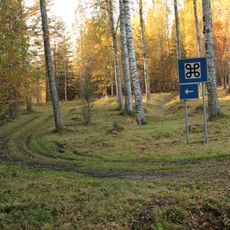
The mining area forms part of the Husbyringen nature and culture trail, established in 1970 as Sweden's first open-air museum of this kind. It shows how industrial activity shaped the region and how people lived and worked in these surroundings.
The site is accessible to visitors on foot, with a walking route leading past the preserved buildings and structures. It is best to wear sturdy footwear and allow time to explore the spread-out grounds at a comfortable pace.
The manganese-rich ore extracted here was well-suited for Bessemer steel production and was processed at the nearby Klosterverken blast furnace starting in 1861. This direct connection between raw material source and processing facility made the site economically valuable.
The community of curious travelers
AroundUs brings together thousands of curated places, local tips, and hidden gems, enriched daily by 91,020 contributors worldwide.