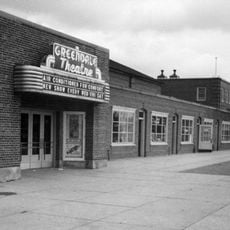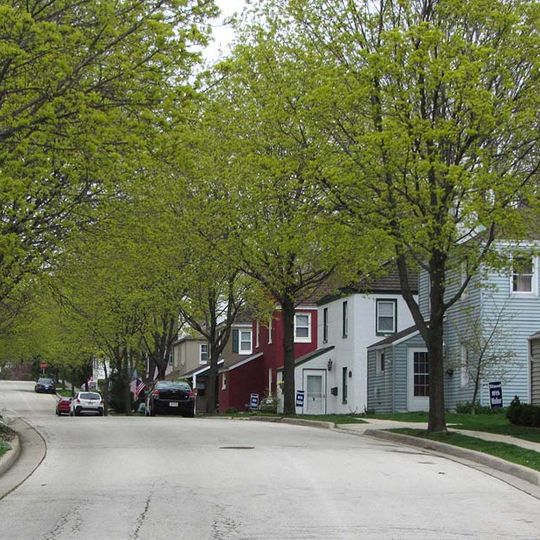
Greendale Historic District, National Historic District in Greendale, Wisconsin, United States
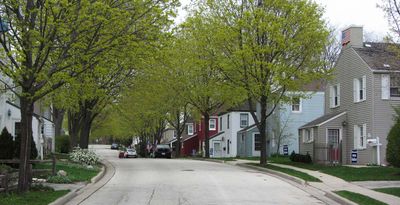
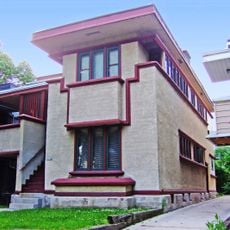
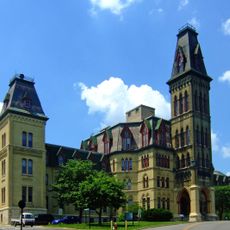
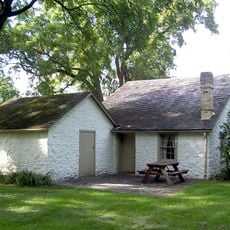
Greendale Historic District is a 1930s residential community of single-family homes and duplexes built with concrete block walls finished in stucco. The houses are connected by pedestrian paths that lead to parks and public spaces without crossing major roads.
The community was founded in 1935 by the federal government as one of three Greenbelt towns to provide housing for working-class families during the Depression. The garden city movement influenced its design and set new standards for residential development across the country.
The neighborhood was planned as a model for inclusive community living, with house arrangements and pathways designed so neighbors would naturally meet and interact. Visitors can still observe today how these ideals shape the way the streets flow and how people use shared spaces.
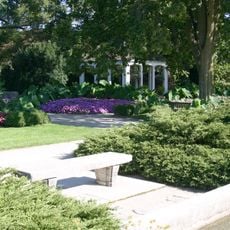
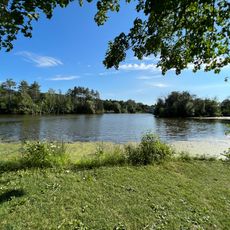
The best way to explore the district is on foot, since the paths were designed specifically for walking. The flat terrain and extensive green spaces make it easy to stroll through and understand how the neighborhood is laid out.
The homes were built without basements, an unusual choice at the time meant to reduce construction costs. All utilities run underground, which keeps the streets cleaner and less cluttered than in typical residential developments.
The community of curious travelers
AroundUs brings together thousands of curated places, local tips, and hidden gems, enriched daily by 91,654 contributors worldwide.