Dibbleville-Fentonville Historic District, National Register listed historic district in Fenton, Michigan, US
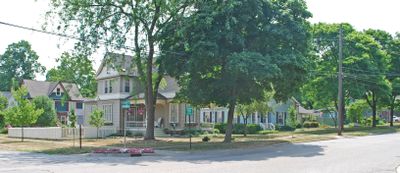
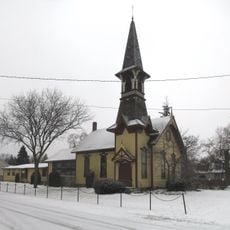
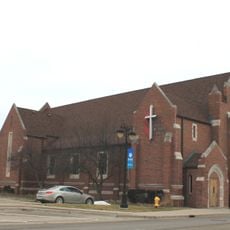
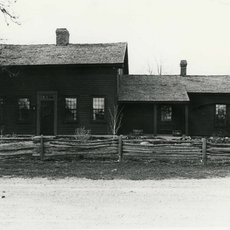
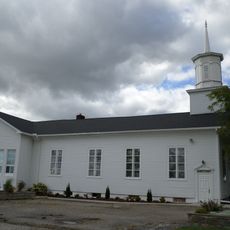
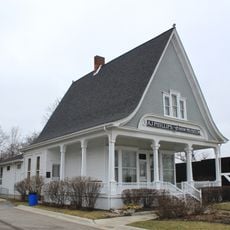
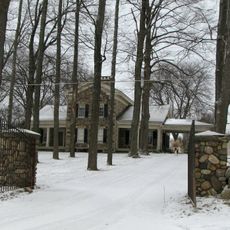
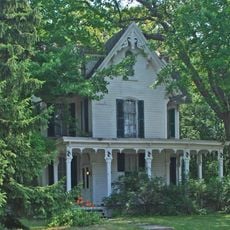
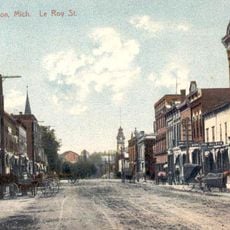
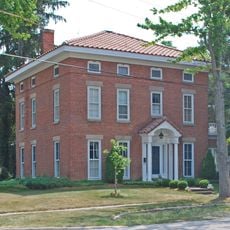
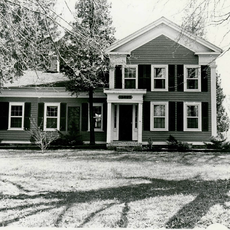
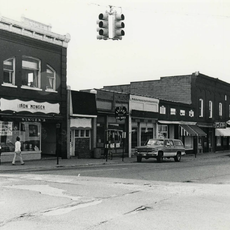
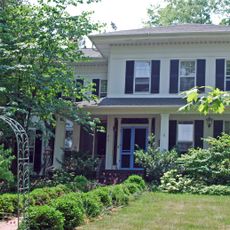
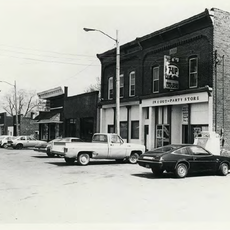
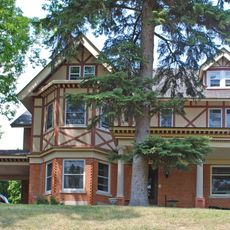
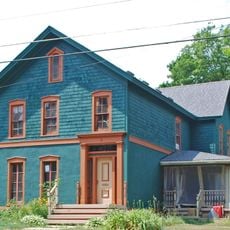
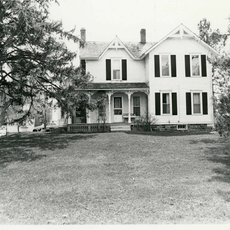
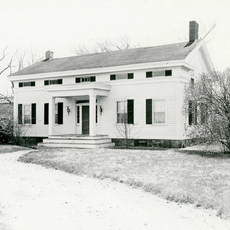
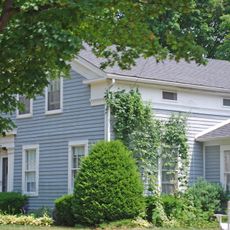
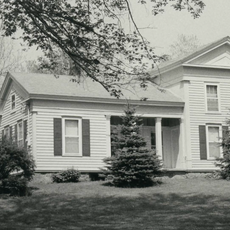
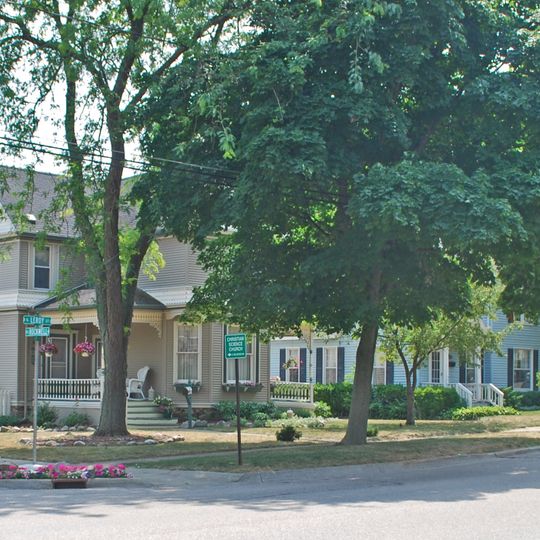
Dibbleville-Fentonville Historic District is a neighborhood with about 130 buildings spread across roughly 49 acres of land. The structures include residential homes, brick commercial buildings with cast iron storefronts, churches, and public buildings arranged along main streets.
Clark Dibble started the settlement in 1834 as a small community near old trails and the Saginaw Road. The establishment by Robert LeRoy and William M. Fenton in 1836 led to a name change and marked the beginning of stronger growth.
The neighborhood reflects layers of building styles that developed as the settlement grew from a quiet farming area into a trade center. Residents and business owners chose different architectural approaches based on what was fashionable and practical during their era.
The district is walkable and the buildings are visible from public streets. Visitors should plan time for a relaxed stroll along the main streets to observe the details of the various facades and structures.
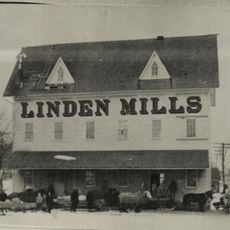
The arrival of a railroad line in 1856 changed the area from a rural village into a center for fruit processing and woolen mills. This industrial shift shaped the physical layout and economic structure that visitors see today.
The community of curious travelers
AroundUs brings together thousands of curated places, local tips, and hidden gems, enriched daily by 60,000 contributors worldwide.