Schwerdt Site, Archaeological site near Kalamazoo River, Michigan, United States
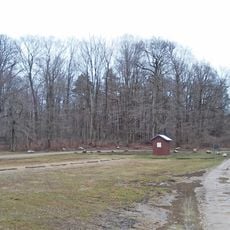
This archaeological site near the Kalamazoo River in Michigan contains the remains of a prehistoric camp with over 40 structural features visible in the ground. Excavations have revealed cooking pits, pottery fragments, and animal bones that show how people prepared food and lived during their time here.
The camp was occupied between roughly 1400 and 1600 and represents the final era of Native American settlement in this region. Archaeologists discovered the site in the 1970s, which allowed them to learn about the last generations of people who lived by hunting and gathering before European contact.
The pottery found here shows connections to Algonkian-speaking peoples, with ceramic pieces reflecting regional styles from different time periods. Visitors can understand through these objects how people lived and traded with neighboring communities.
The site is located in a rural area and is accessible to visitors but offers limited facilities on the ground. It is best to research the exact location beforehand and bring plenty of water and sun protection, especially during warmer months.
The camp likely served as a seasonal settlement occupied only during spring and early summer months. This timing aligned with the annual migration of sturgeon in the Kalamazoo River, which provided a key food source for the people living here.
The community of curious travelers
AroundUs brings together thousands of curated places, local tips, and hidden gems, enriched daily by 90,828 contributors worldwide.