Paul Schweikher House and Studio, Residential museum in Schaumburg Township, US
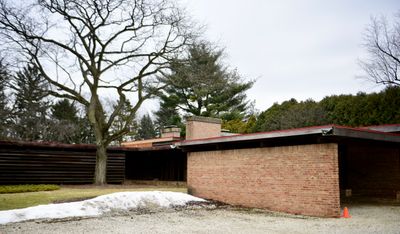
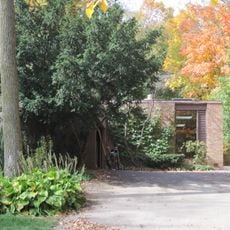
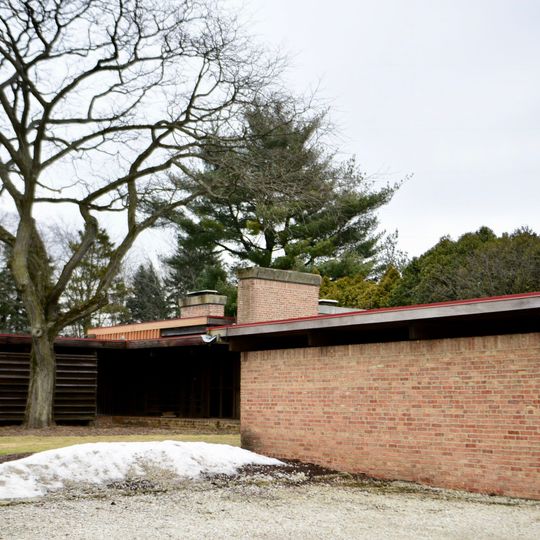
The Paul Schweikher House is a residential building in Schaumburg Township with a T-shaped layout that combines wood, brick, and extensive glass elements. The structure clearly separates sleeping, working, and living areas, with large windows connecting interior spaces to the surrounding landscape.
The house was designed and built between 1937 and 1938 by architect Paul Schweikher following recognition of his work at a Museum of Modern Art exhibition. This project marked a pinnacle of his early career and demonstrated his integration of multiple international influences into residential design.
The architecture blends Prairie School design traditions with clean lines and open spaces that reflect Japanese aesthetic principles, influenced by the architect's time in Tokyo where he studied modern building approaches.
The house is accessible to visitors through private tours arranged by the Schweikher House Preservation Trust. The grounds span about 2.5 acres (1 hectare), giving visitors time to explore the architectural details and surrounding gardens at a comfortable pace.
After Schweikher moved away, physicist Alexander Langsdorf, who worked on the Manhattan Project, and his wife Martyl took over the house as their home. Martyl created the Doomsday Clock, a visual representation showing how close humanity is to global catastrophe.
The community of curious travelers
AroundUs brings together thousands of curated places, local tips, and hidden gems, enriched daily by 90,804 contributors worldwide.