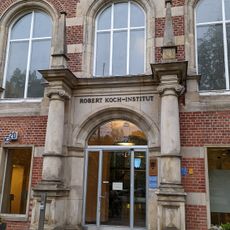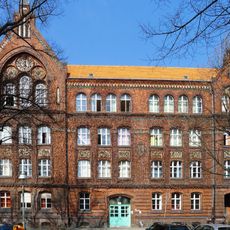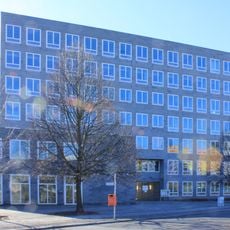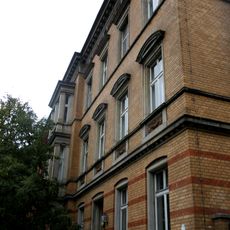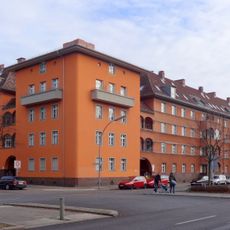
Preußisches Institut für Infektionskrankheiten, Historical research institute and monument in Berlin, Germany
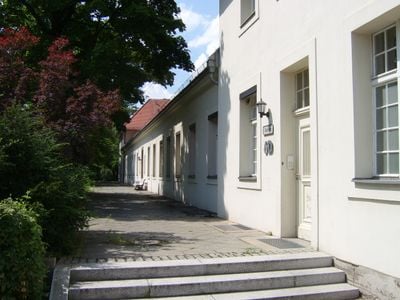
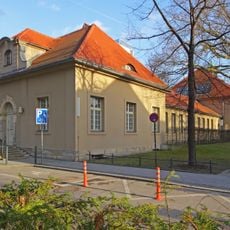
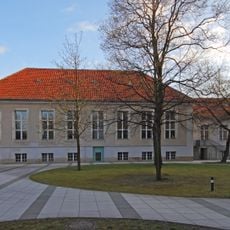
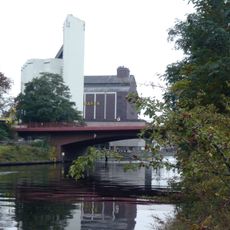
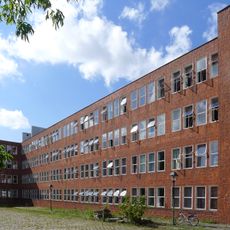
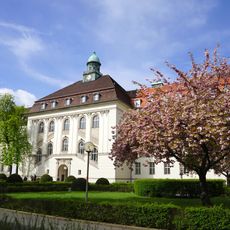
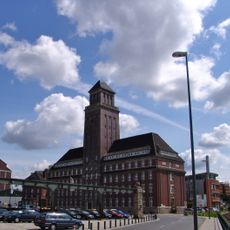
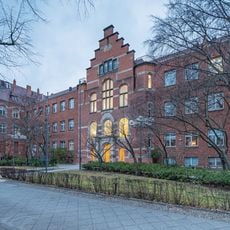
The Prussian Institute for Infectious Diseases is a former research center on the Charité campus with multiple buildings, laboratories, and specialized isolation facilities for patients. The site combined scientific research with clinical care and stands as a testament to Berlin's medical history.
The institute was founded in 1891 to support Robert Koch's research into proving bacteria cause disease. Discoveries made here established the foundation for modern infectious disease medicine and transformed medical practice worldwide.
The institute shaped how people understand and treat infectious diseases, making it central to modern medicine's development. The buildings stand today as a reminder of researchers who gained fundamental insights into contagion and healing within these walls.
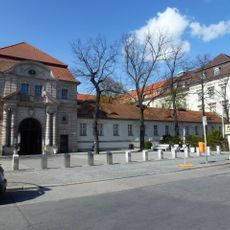
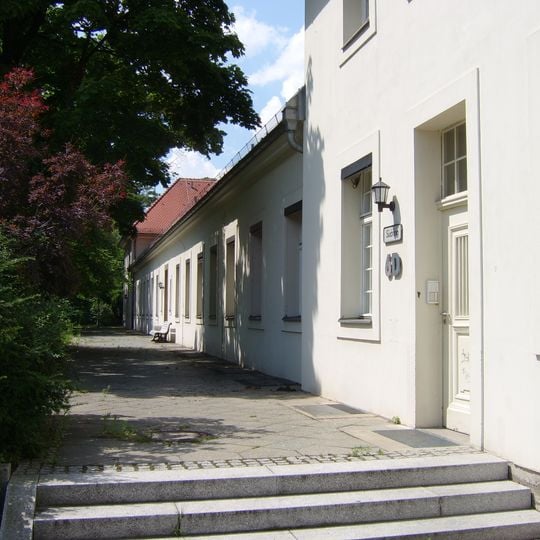
The site is now part of the Charité campus and can be viewed from outside, with buildings retaining their original architecture. Visitors should note that some areas remain active research facilities and may not be freely accessible to the public.
Seven separate quarantine barracks were built along the S-Bahn railway embankment to create an isolated area for severely ill patients. This separation was necessary to control transmission routes that were still poorly understood at the time.
The community of curious travelers
AroundUs brings together thousands of curated places, local tips, and hidden gems, enriched daily by 60,000 contributors worldwide.