Cueva del Toro, Archaeological cave in El Torcal Natural Park, Antequera, Spain
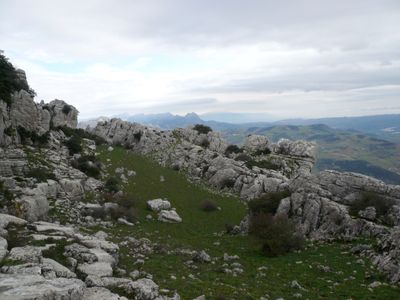
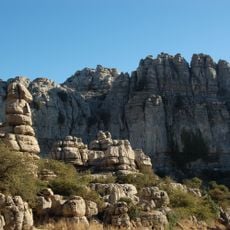
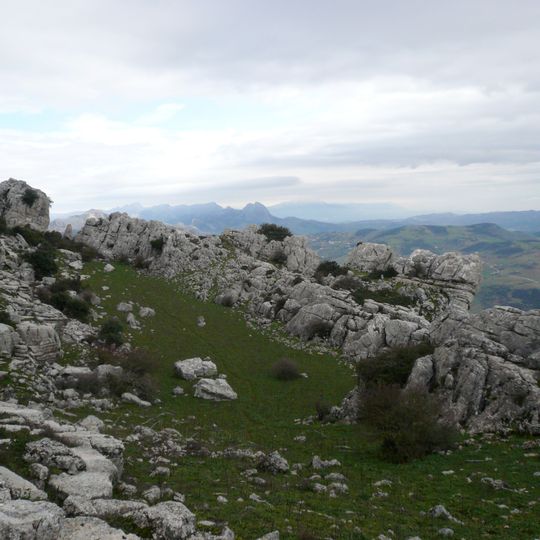
Cueva del Toro is an archaeological cave in El Torcal Natural Park near Antequera, Spain, located at 1,190 meters above sea level with internal chambers formed by fallen blocks and a 17-meter-deep chasm at its entrance. The complex consists of several interconnected areas created through natural geological processes.
Excavations between 1977 and 2024 revealed four distinct phases of human occupation, with the earliest dating back to 6200 BCE during the Early Neolithic period. This shows that successive communities used the cave across several millennia.
The cave holds important Neolithic artifacts, including a schematic female figure that resembles prehistoric Venus statues and shows connections to broader European cultural patterns. These artworks reveal how early communities represented their world and beliefs.
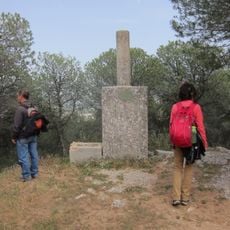
Visits require advance arrangements since ongoing scientific research takes place and the site forms part of the UNESCO World Heritage Antequera Dolmens Site. Good footwear is recommended as access to the cave interior is uneven and the surrounding area involves rocky terrain.
Genetic studies of human remains found here show strong connections to early European farmers, with DNA patterns similar to modern populations in Spain, Sardinia, and Italy. This links the prehistoric inhabitants genetically to today's south European communities.
The community of curious travelers
AroundUs brings together thousands of curated places, local tips, and hidden gems, enriched daily by 90,871 contributors worldwide.