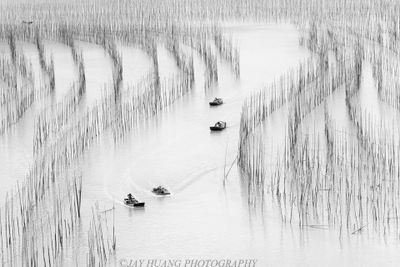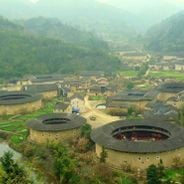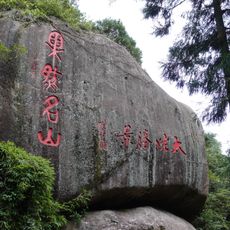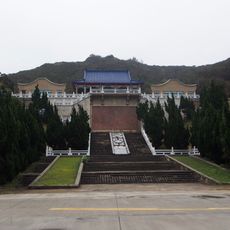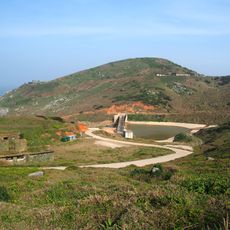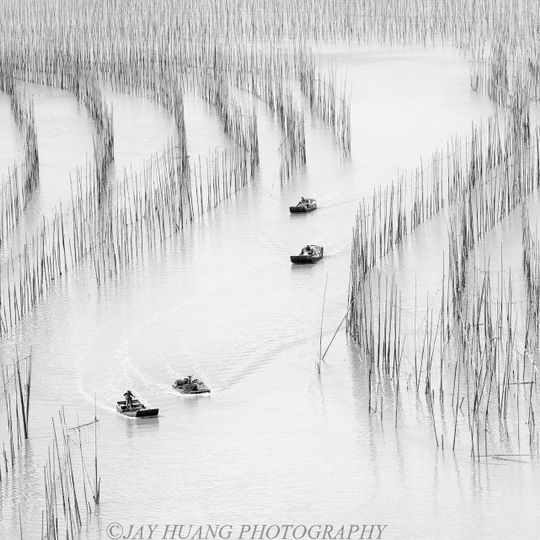
Xiapu Mudflat, Coastal mudflat in Ningde, China.
Xiapu Mudflat spans extensive sections of the Fujian coast, revealing intricate patterns of sand, water, and pools as tides shift throughout the day. Bamboo structures for aquaculture crisscross the terrain, creating a mosaic-like composition between solid ground and shallow water.
The region served as a significant fishing and trading point for centuries, evidenced by Dajing Castle built in the 14th century to protect coastal interests. This structure reflects the long importance of this coastline as a meeting place between communities and maritime activity.
Local fishermen practice traditional methods of oyster farming and seaweed harvesting using bamboo structures and nets across the mudflats. These daily work practices shape the landscape and show how communities have adapted to tidal cycles over time.
Visitors should check tide schedules and wear waterproof footwear to navigate safely across wet surfaces and exposed mud. The best exploration times are during low tide periods when more terrain becomes accessible and patterns are most visible.
Natural tiger-skin-like patterns form at Beiqi Village through tidal and erosion processes and are fully visible only at low tide. Shajiang Village features distinctive S-shaped water channels that create a contrasting visual character within this coastal area.
The community of curious travelers
AroundUs brings together thousands of curated places, local tips, and hidden gems, enriched daily by 91,611 contributors worldwide.