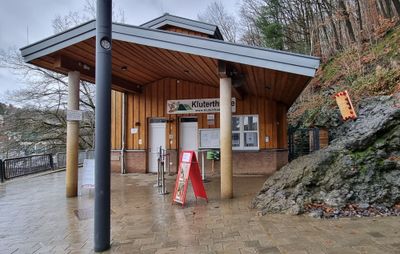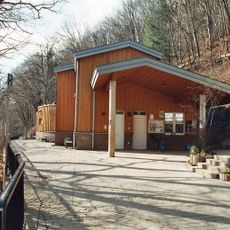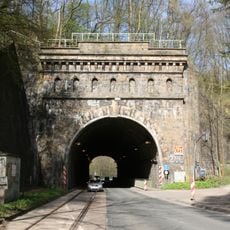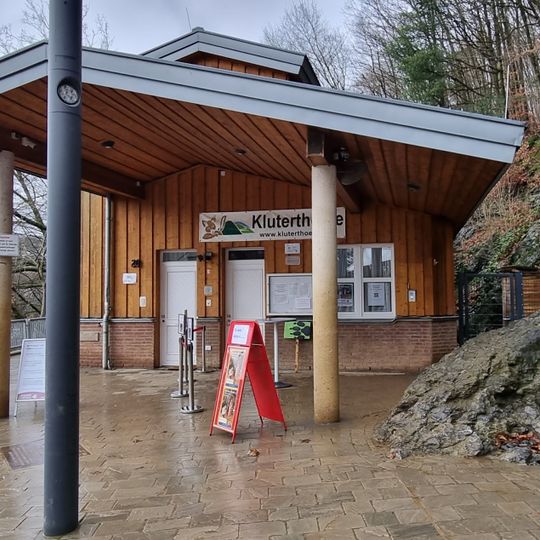
Kluterthöhle, Natural history museum in Ennepetal, Germany.
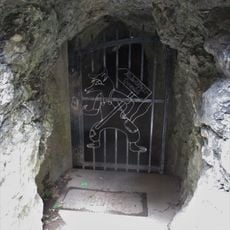
Kluterthöhle is a cave system containing 380 passages with underground lakes, tight corridors, and fossilized marine remains embedded in limestone. The structure displays distinct layers of ancient seafloor deposits that become visible as visitors move through the passages.
The cave system formed approximately 385 million years ago when a tropical sea covered this region and created extensive limestone deposits. This marine environment led to the development of reef structures and other formations that remain visible in the rock today.
The site comes alive during seasonal performances and musical events that take place within the cave halls. These gatherings connect the natural landscape with human creativity and offer visitors a chance to experience art in an unusual setting.
Visitors should wear sturdy shoes and bring warm layers, as the cave maintains cool temperatures and the ground stays damp throughout. Different tour options are available, ranging from brief introductory walks to extended expeditions that accommodate varying fitness levels.
The cave maintains specific air conditions that naturally filter dust and airborne particles, creating a therapeutic environment. Visitors with breathing difficulties or lingering post-COVID symptoms often report noticeable relief during their time inside.
The community of curious travelers
AroundUs brings together thousands of curated places, local tips, and hidden gems, enriched daily by 92,003 contributors worldwide.