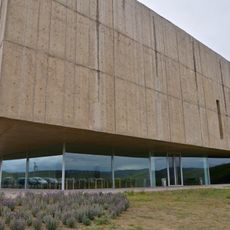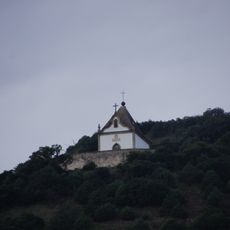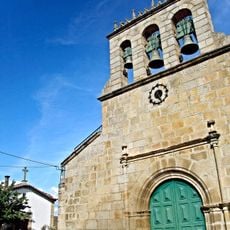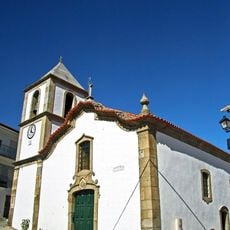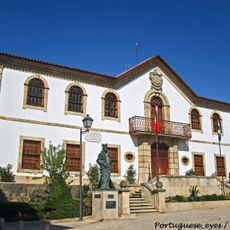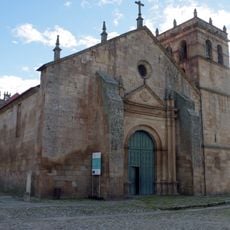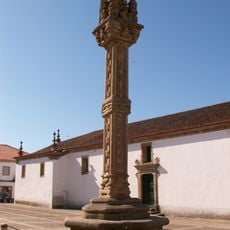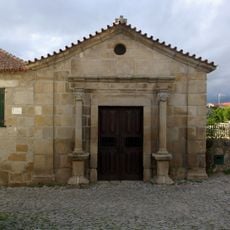
Parque Arqueológico do Vale do Côa, Archaeological park and museum in Vila Nova de Foz Côa, Portugal.
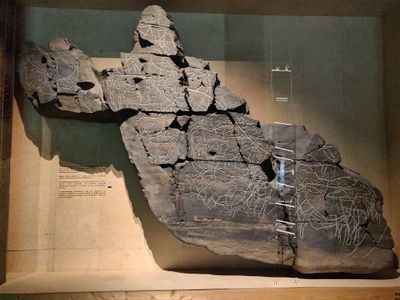
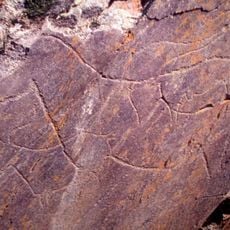
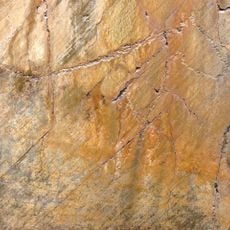
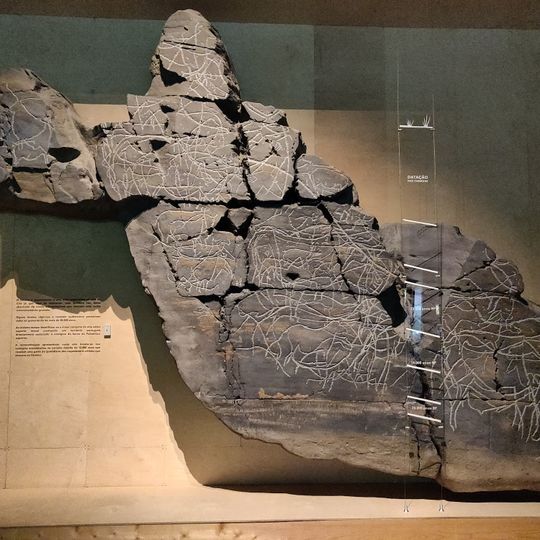
The Côa Valley Archaeological Park contains more than 1200 rock engravings located at around 80 different sites along the Côa and Douro river valleys. The artworks spread across open terrain and form one of the world's largest collections of this type of prehistoric rock art.
These engravings were created roughly 25000 years ago during the Upper Paleolithic period and represent some of humanity's oldest art. Their discovery transformed scientific understanding by proving that sophisticated rock art existed in the open air, not only sheltered in caves.
The rock engravings display artistic techniques that early inhabitants used to express their view of the animal world and their own communities. Visitors can observe directly how these people worked with stone and what subjects mattered to them.
To see the rock art at the actual sites, visitors must book ahead and go with a professional guide who knows the locations. The museum building is open daily and serves as a good starting point to learn about the engravings before heading to the sites.
This is the world's largest collection of Paleolithic rock art found in the open air rather than inside caves, and it sits in a remote river valley. The site became a UNESCO World Heritage location in 1998, recognizing its importance to our understanding of prehistoric human creativity.
The community of curious travelers
AroundUs brings together thousands of curated places, local tips, and hidden gems, enriched daily by 91,796 contributors worldwide.