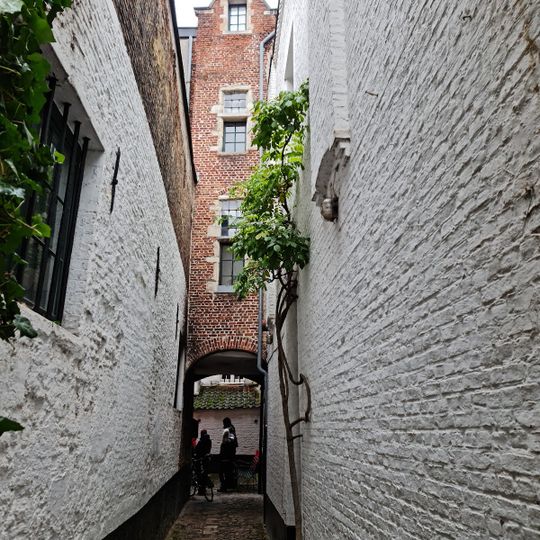
Vlaaikensgang
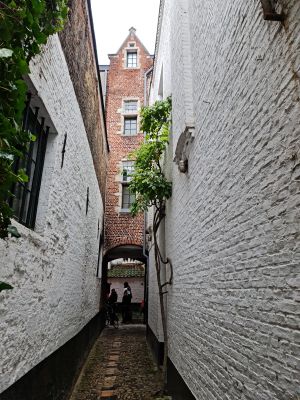
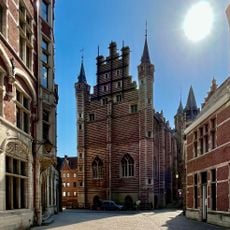
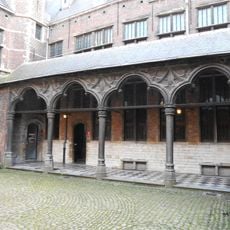
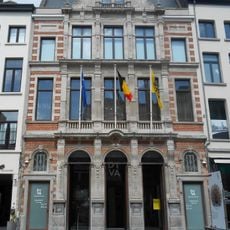
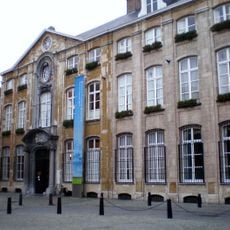
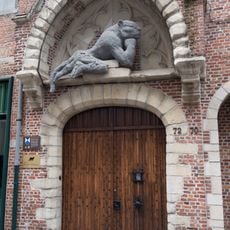
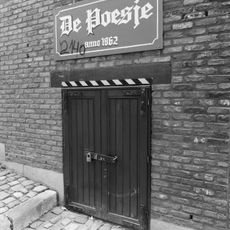
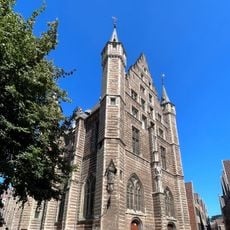
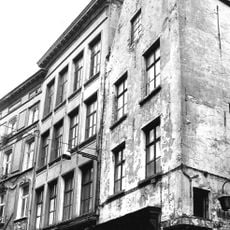
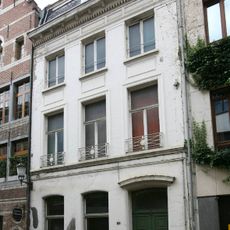
Vlaaikensgang is a narrow pedestrian passageway in the heart of Antwerp that connects two main streets and features a row of tightly packed brick buildings. The passage is shaped by its constricted width and the layered architectural style that reflects different periods of construction and renovation over time.
The passage developed in the 17th century as one of many new connecting routes in Antwerp during a period of intense urban growth. This type of pathway became a common solution to link expanding neighborhoods and facilitate commerce across the growing city.
The narrow passage takes its name from a local word for small pies, reflecting Antwerp's merchant past when food traders worked these lanes. Visitors walking through today encounter the same tight, intimate space where people once bought and sold goods in busy commercial exchange.
The passage is easy to reach and walkable with standard mobility, though its narrow width means visitors must move carefully through the space. It's best to explore it on foot at a relaxed pace, taking time to notice details and any small shops or side passages that appear along the way.
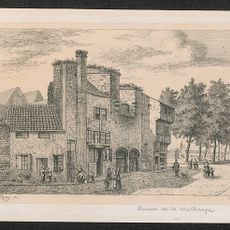
The passage was originally much narrower and has been widened several times over the centuries, with some of the original stone walls still visible beneath later additions. These hidden layers of construction tell the story of urban adaptation as the city adjusted to accommodate growing foot traffic.
The community of curious travelers
AroundUs brings together thousands of curated places, local tips, and hidden gems, enriched daily by 90,853 contributors worldwide.