Pheasant enclosure
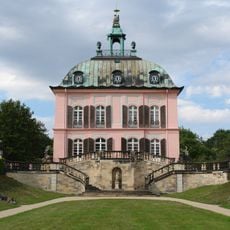
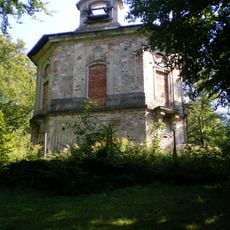
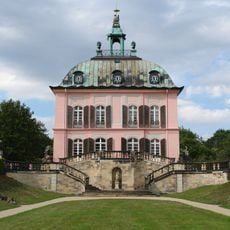
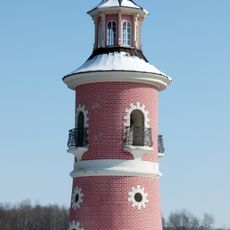
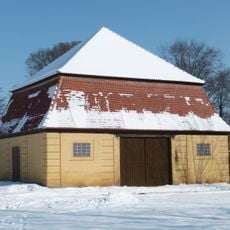
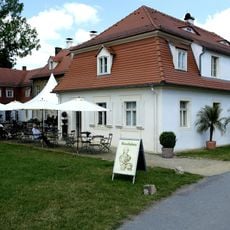
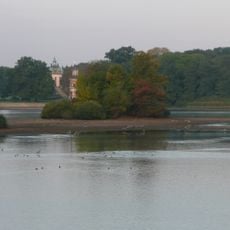
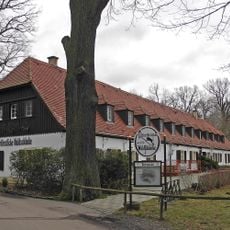
The former pheasant enclosure in Moritzburg is a small complex of historic buildings and gardens that once served the nobility for leisure and hunting. The main structure, called the Fasanenschlösschen, is a low Rococo building with Chinese-inspired design, featuring interior rooms decorated with silk paintings, embroidered wallpapers, and fine stucco work from the 18th century.
August the Strong founded the pheasant park in the 1720s as part of his hunting grounds surrounding Moritzburg Castle. After the Seven Years War, Friedrich August III rebuilt the site and constructed the Chinese-inspired Fasanenschlösschen between 1770 and 1776 as a private retreat for his court.
The small palace served as a retreat where the young princess and her husband could escape the rigid rules of court life. The rooms still reflect how the noble family imagined private moments: decorated with embroidered silk walls showing flowers and birds, and playful details that created a world completely different from the formal castle.
Visitors can tour the building on guided visits that show the reconstructed rooms, including dining hall, bedroom, and servant areas. Access is easiest from the nearby Moritzburg Castle, and it is wise to check opening times in advance.
The building was left as a ruin after the war in 1945 until a bird specialist named Paul Bernhard suggested turning it into a bird protection station. Since its major restoration in the 1990s, visitors can see fully reconstructed Rococo interiors with original-style decorations that were painstakingly recreated based on historical records.
The community of curious travelers
AroundUs brings together thousands of curated places, local tips, and hidden gems, enriched daily by 92,413 contributors worldwide.