Haji lane, Street in Singapore
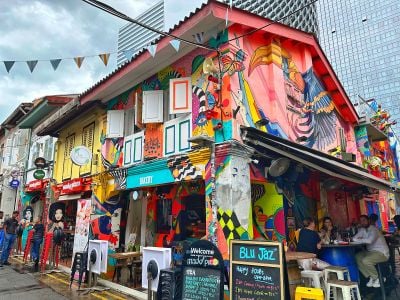
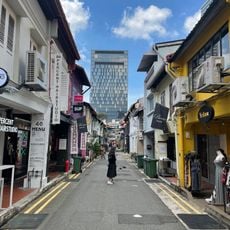
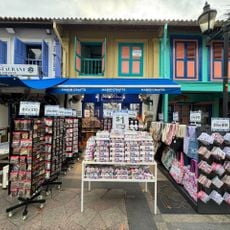
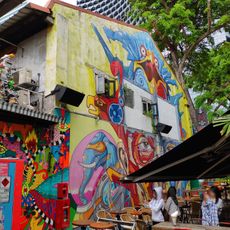
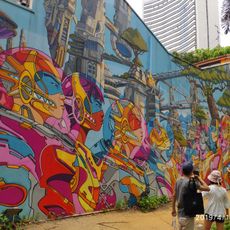
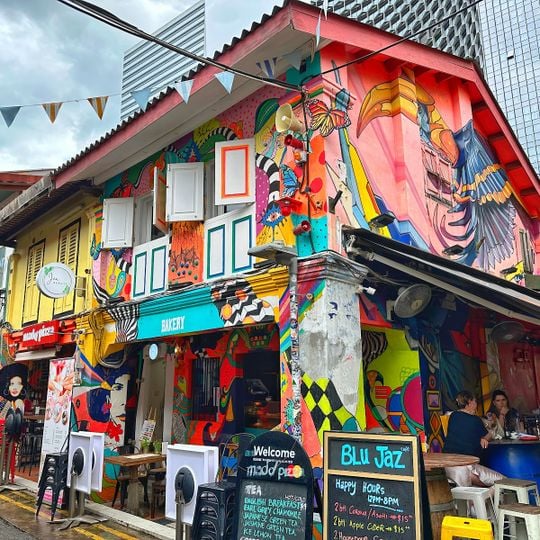
Haji Lane is a narrow street tucked between wider roads in the Kampong Glam district of Singapore. It is lined with old two-storey shophouses whose painted shutters and walls are covered in murals, and the ground floors hold small independent shops, cafes and bars.
In its early years the lane was used by Arab pilgrim-brokers who helped Muslims prepare for the Hajj, and the shophouses lodged people in transit to Mecca. During the 1960s and 1970s many buildings became homes for poor Malay families before falling into disuse, until small independent artists and shop owners revived the street in the 2000s.
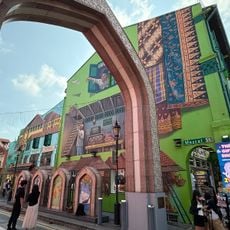
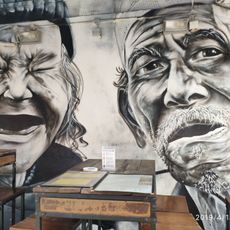
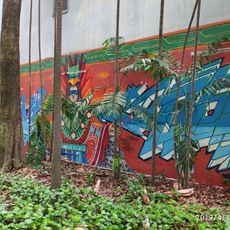
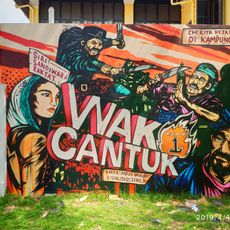
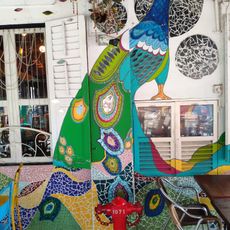
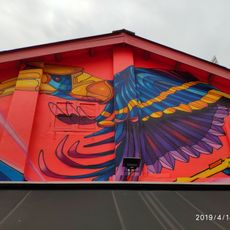
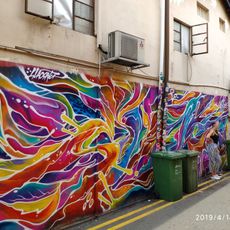
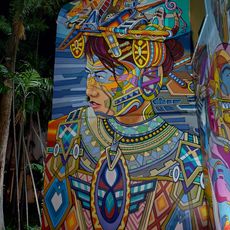
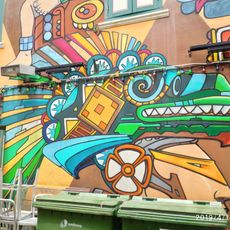
The murals along the back walls and shutters form the main visual language of the street, with styles ranging from abstract splashes of color to figurative works with local themes. Among the most photographed is a large Aztec-inspired mural across the rear of the Piedra Negra restaurant.
Walking the lane on a weekday or early evening helps you avoid the biggest crowds. The closest MRT stop is Bugis Station, and most of the street is easy to cover on foot at a slow pace.
Several murals were created to glow or stand out more after dark, turning the lane into a different scene once the shops close. Some works were contributed by the artist Ernest Zacharevic, known for street pieces elsewhere in the region, but they are scattered rather than gathered in one gallery.
The community of curious travelers
AroundUs brings together thousands of curated places, local tips, and hidden gems, enriched daily by 60,000 contributors worldwide.