Falaise des vaches noires, Paleontological cliff site in Auberville, France.
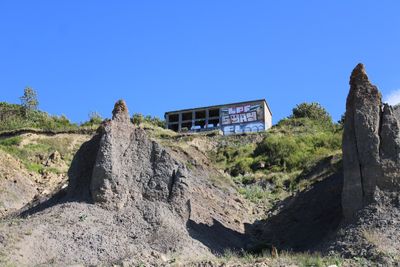
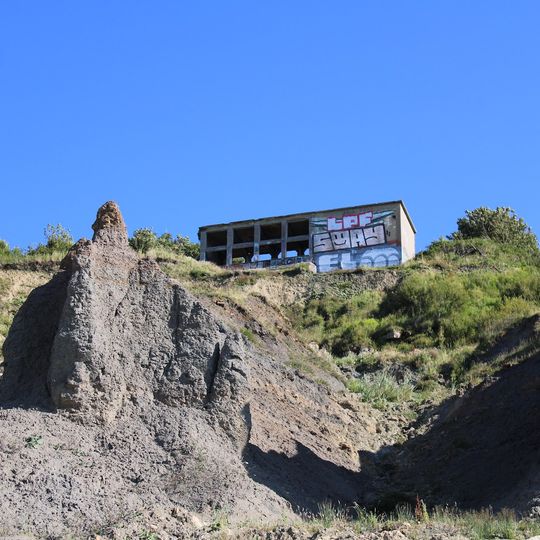
Falaise des Vaches Noires is a cliff along the Normandy coast composed of layered chalk and marl deposits with visible erosion patterns. The rock face displays vertical cracks and ridges that expose the internal structure of the stone.
Researchers began studying the cliff in the 19th century after discovering numerous marine fossils preserved in the rock layers. These findings helped scientists understand the ancient seas that once covered this region during the Cretaceous period.
The name comes from an old maritime observation when sailors spotted dark chalk blocks on the beach and thought of grazing cows. This folk explanation has remained part of how local people understand and describe the place.
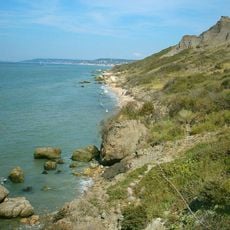
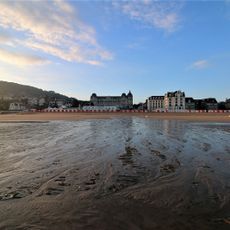
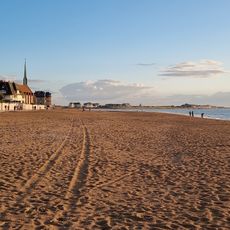
The best time to visit is at low tide when the beach is accessible from Houlgate and you can walk freely along the base of the cliff. Collecting fossils is allowed only from loose materials on the sand and among fallen rocks, not by hammering at the cliff face.
The cliff displays a badlands-like structure with multiple ravines and ridges carved by erosion into the layered rock. This jagged landscape reveals how different stone layers wear away at different rates, creating a visually distinctive terrain.
The community of curious travelers
AroundUs brings together thousands of curated places, local tips, and hidden gems, enriched daily by 60,000 contributors worldwide.