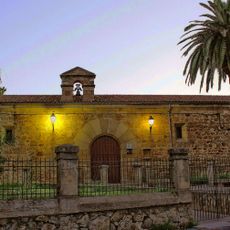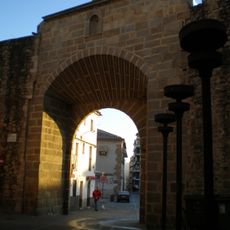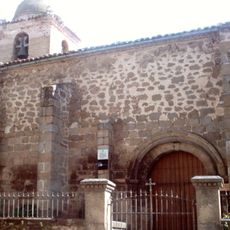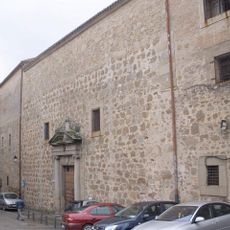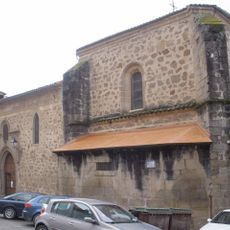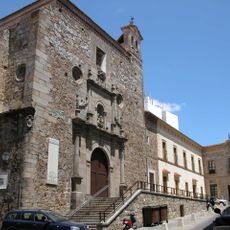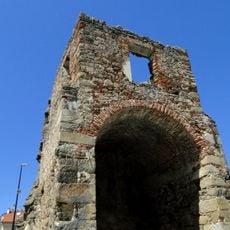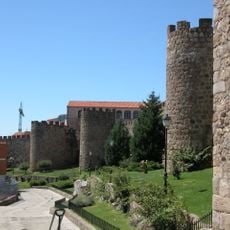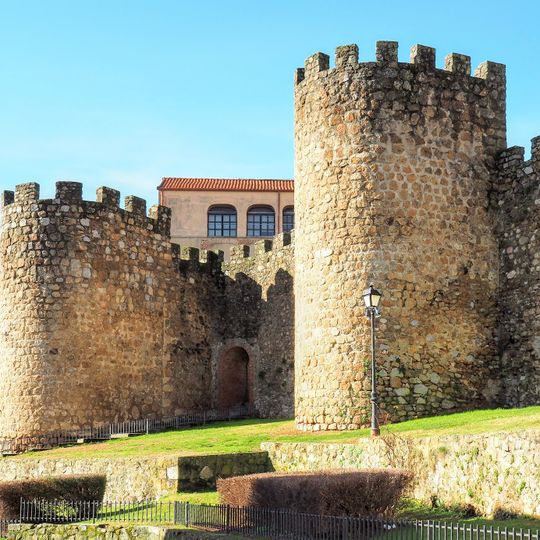
Murallas de Plasencia, Medieval walls of Plasencia, in Spain
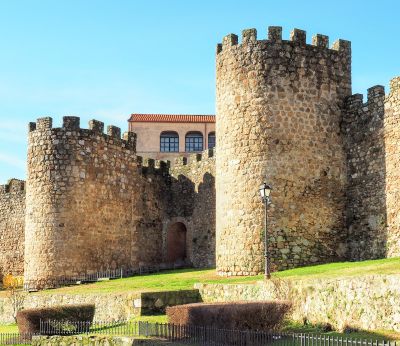
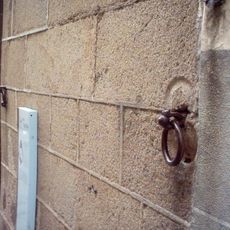
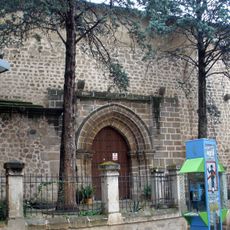
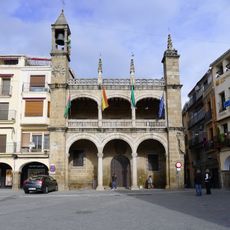
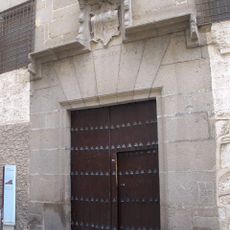
The Murallas de Plasencia are medieval fortifications built with stone blocks in a double-wall design that includes an internal walkway and defensive ditch. Multiple gates remain, including the Cañón de la Salud and Puerta del Sol, along with preserved defensive towers such as the Lucia Tower, now called Almenara.
King Alfonso VIII ordered construction of the walls shortly after 1186 using some 10,000 workers who completed them in just nine months to strengthen his southern border. Several gates were later rebuilt during the Renaissance and Baroque periods, while a 2019 virtual reconstruction documents their original appearance.
The walls define how the old city looks today and serve as a visible link between residents and Plasencia's layered past. Gates like the Cañón de la Salud, which tops a small arch and holds a chapel dedicated to the Virgin of Health, reveal how religious and practical purposes were once combined in city design.
The walls are free to visit at any time, with convenient access from the city center near the main square where pathways allow easy walking along the fortifications. Nearby shops and cafes provide places to rest while exploring the surrounding old town streets at a relaxed pace.
The Lucia Tower once had beacon fires lit to warn residents of danger, and now houses a center dedicated to telling the story of the walls and ancient city. A curious detail is the Lápida de la Libertad, a stone plaque that was relocated to city hall after a gate was demolished to allow King Felipe V free passage.
The community of curious travelers
AroundUs brings together thousands of curated places, local tips, and hidden gems, enriched daily by 60,000 contributors worldwide.