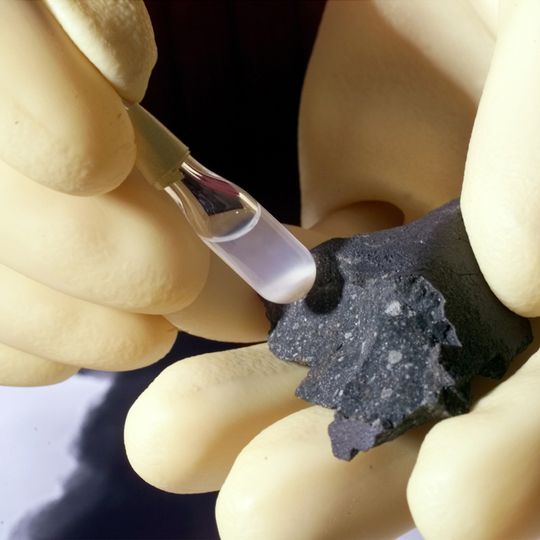
Murchison meteorite, Carbonaceous chondrite meteorite in Victoria, Australia
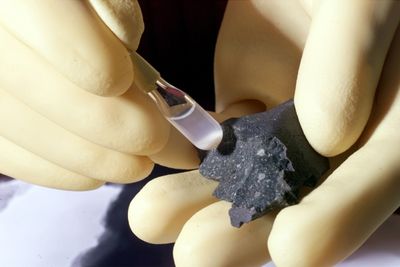
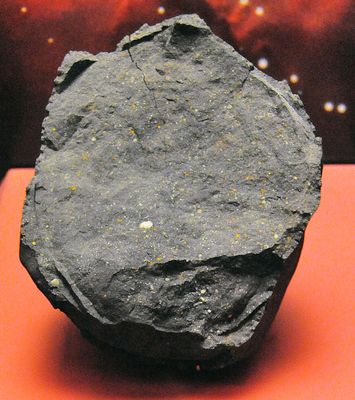
This carbonaceous chondrite contains more than 70 amino acids and thousands of organic compounds distributed throughout its dark, carbon-enriched matrix with recovered fragments totaling approximately 220 pounds (100 kilograms) in mass across multiple pieces.
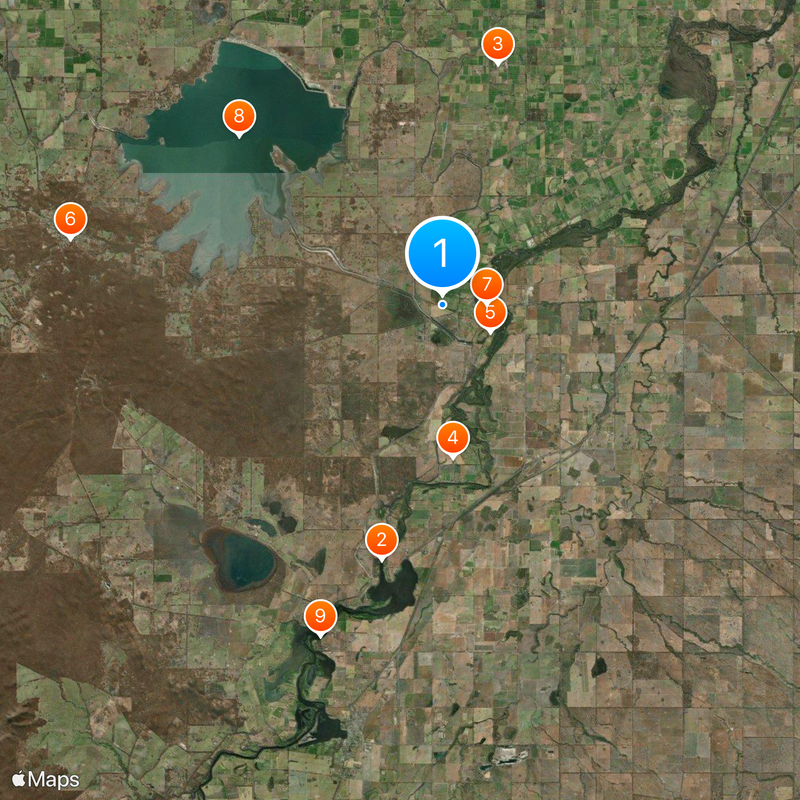
On September 28, 1969, residents witnessed the object breaking into three main fragments during atmospheric entry before scattering pieces across 5 square miles (13 square kilometers), with multiple witnesses documenting the fireball and subsequent shock wave that accompanied the impact event.
Natural history institutions across continents preserve fragments for ongoing research purposes, enabling scientists to study presolar matter and organic chemistry while educating the public about extraterrestrial materials through permanent exhibits in facilities like Chicago's Field Museum and the Smithsonian Institution.
Melbourne Museum displays several pieces in its Dynamic Earth collection, where visitors can examine this extraterrestrial specimen up close during regular operating hours. The display pieces are located on the ground floor of the museum and are accessible to all visitors.
Laboratory analysis identified silicon carbide grains within the specimen dating to 7 billion years ago, predating our solar system by several billion years and representing the oldest known solid material ever recovered from the surface of our planet.
The community of curious travelers
AroundUs brings together thousands of curated places, local tips, and hidden gems, enriched daily by 91,256 contributors worldwide.