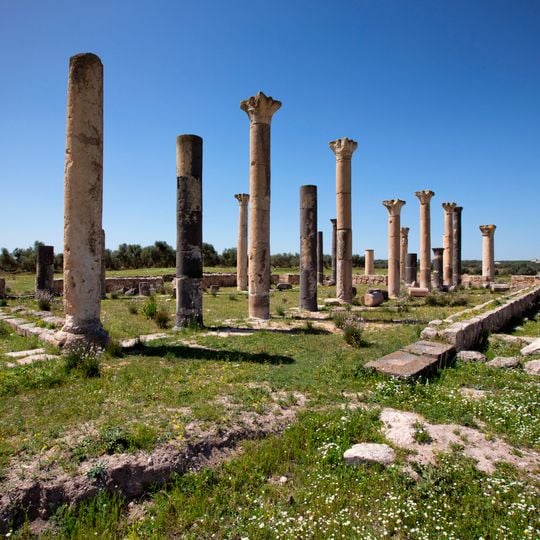
Abila, ancient city
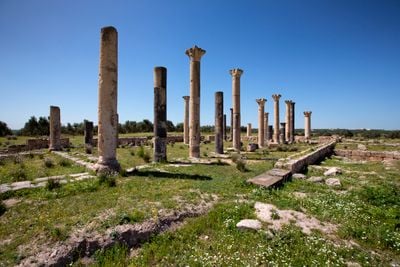
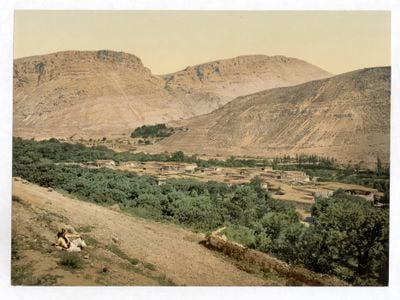
Abila is an ancient city in Irbid Governorate in northern Jordan, continuously inhabited since the early Bronze Age. The site consists of two main mounds with remains of houses, temples, baths, churches, and a theater that span multiple periods from Bronze Age through Islamic times.
Abila was founded around 4000 BCE and later became known as Seleucia, a prominent member of the Decapolis under Hellenistic and Roman rule. The city flourished during the Byzantine period and remained inhabited into Islamic times, demonstrating its importance as a trade and religious hub across millennia.
Abila served as a major Christian religious center and housed an episcopal seat during Byzantine times. The churches with their mosaic floors and religious imagery reflect how multiple cultural traditions, from Greek to Roman to Christian, shaped the community's daily spiritual life.
The site sits at an elevation of around 410 meters (1,345 feet) in a dry climate typical of the region. Visitors should prepare for uneven terrain and strong sun exposure when exploring the mounds and ruins across the landscape.
The necropolis at Abila features rock-cut tombs decorated with painted scenes, mythological figures, and portraits of the deceased, offering a rare window into ancient burial practices. These tomb paintings are often inscribed in Greek and reveal the artistic skill and religious beliefs of the city's wealthy families.
The community of curious travelers
AroundUs brings together thousands of curated places, local tips, and hidden gems, enriched daily by 60,000 contributors worldwide.