Centro Storico di Rovereto
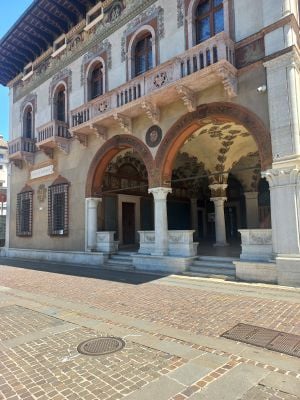
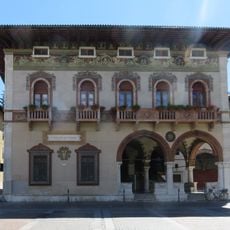
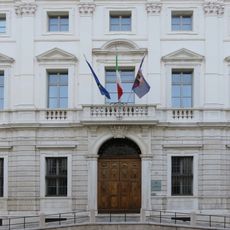
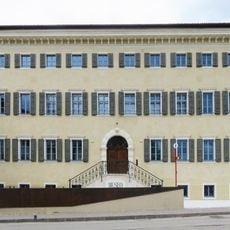
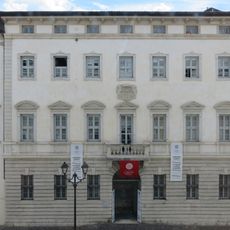
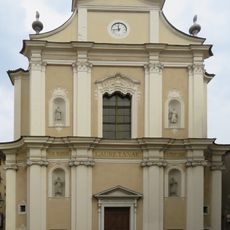
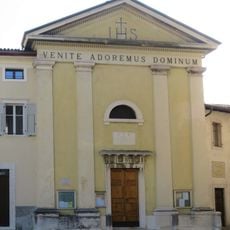
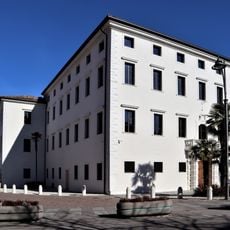
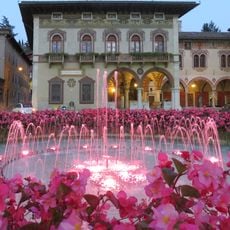
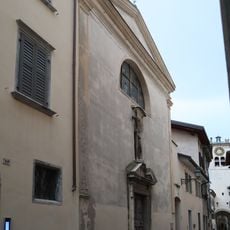
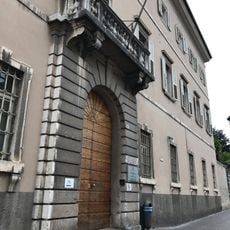
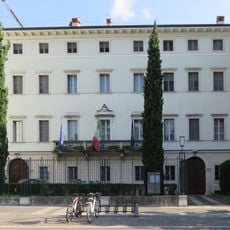
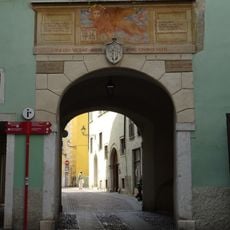
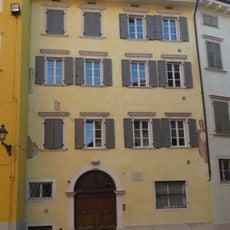
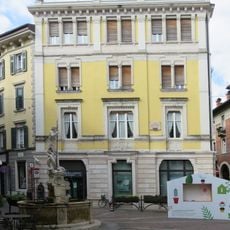
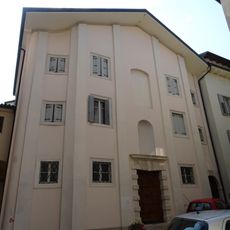
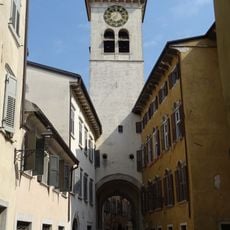
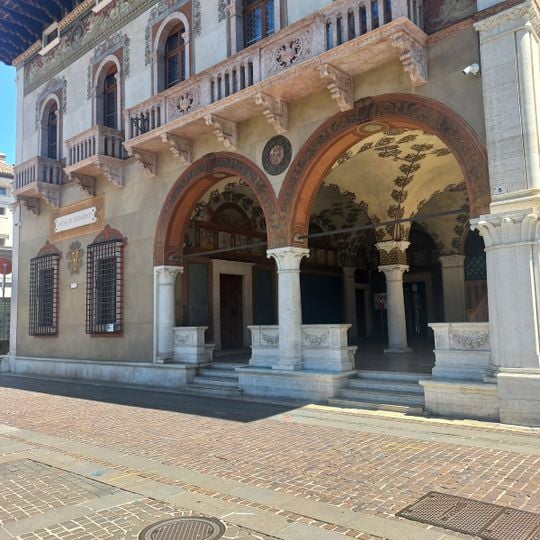
The Centro Storico di Rovereto is a medieval quarter in a hillside Italian city with narrow paved streets and several linked squares. Architecture features stone facades, wrought-iron balconies, and traditional buildings spanning multiple periods, from Venetian influences to industrial structures from the 18th and 19th centuries.
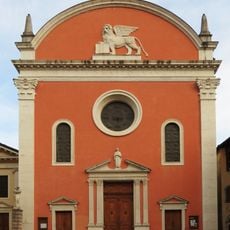
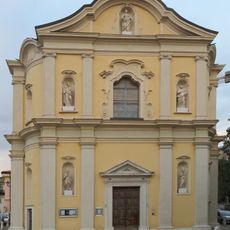
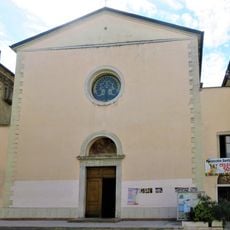
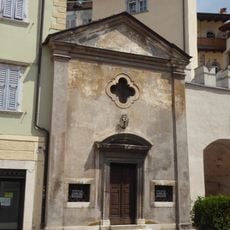
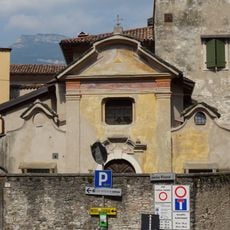
Rovereto came under Venetian rule from the early 1400s through the early 1500s, leaving marks on buildings like the Church of San Marco. The city later became a silk production center during the 18th and 19th centuries before taking on strategic military importance during the First World War.
The name Rovereto likely comes from Latin meaning oak forests, which once covered the surrounding landscape. Today, narrow streets and small squares follow the medieval layout, with local craftspeople keeping traditions alive in workshops and small shops scattered throughout the quarter.
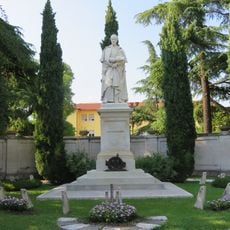
The quarter is compact and easily explored on foot, with public fountains providing drinking water scattered throughout the streets. Piazza Antonio Rosmini and Corso Bettini serve as orientation points, and multiple cafes offer good spots to rest and observe daily life.
Mozart played the organ at the Church of San Marco in 1769, and plaques along Via della Terra mark his stay in the city. Walking in the footsteps of one of history's greatest composers adds a special dimension to a visit to this small Italian quarter.
The community of curious travelers
AroundUs brings together thousands of curated places, local tips, and hidden gems, enriched daily by 60,000 contributors worldwide.