See the monuments around you in AROpen chests in the app
Around Us is built for your phone — point your camera at the streets and discover the monuments and places around you in augmented reality.Around Us is built for your phone — chests unlock when you walk, explore and capture nearby places.
Trentino-Alto Adige, tourism in Italy: historic towns, mountain lakes and Dolomites
South Tyrol and Trentino stretch between the Alps and the Dolomites, in a place where Italy meets Central Europe. There are towns like Trento and Bolzano, where Renaissance squares sit beside Christmas markets. Merano has hot springs and gardens. The lakes of Garda, Molveno, and Braies reflect the mountains. Old castles like Buonconsiglio and Arco tell stories of the prince-bishops and local rulers.
The Dolomites have paths that go through landscapes shaped by glaciers. You can see peaks like the Tre Cime di Lavaredo or the Brenta group. Valleys like Val di Fassa and Val Gardena keep their languages and traditions. People enjoy alpine food and wood crafts. Museums such as the MUSE in Trento and the MART in Rovereto show the region is thinking about its future, while still honoring its past.
Trentino-Alto Adige, tourism in Italy: historic towns, mountain lakes and Dolomites
South Tyrol and Trentino stretch between the Alps and the Dolomites, in a place where Italy meets Central Europe. There are towns like Trento and Bolzano, where Renaissance squares sit beside Christmas markets. Merano has hot springs and gardens. The lakes of Garda, Molveno, and Braies reflect the mountains. Old castles like Buonconsiglio and Arco tell stories of the prince-bishops and local rulers.
The Dolomites have paths that go through landscapes shaped by glaciers. You can see peaks like the Tre Cime di Lavaredo or the Brenta group. Valleys like Val di Fassa and Val Gardena keep their languages and traditions. People enjoy alpine food and wood crafts. Museums such as the MUSE in Trento and the MART in Rovereto show the region is thinking about its future, while still honoring its past.
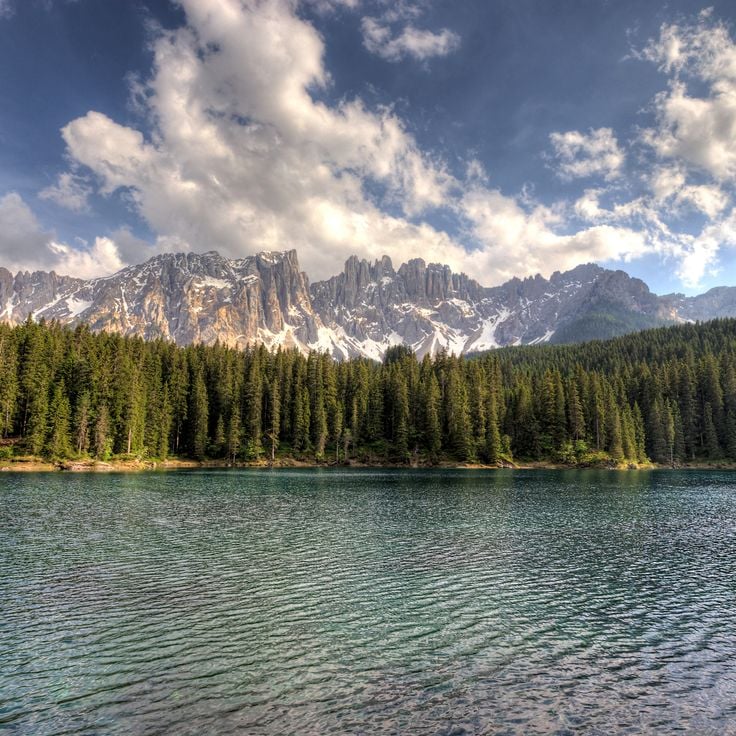
Lago di Carezza sits in the Val Gardena, framed by Dolomite peaks. The lake's waters mirror the surrounding mountains and shift between different shades of blue depending on the time of day and light. The lake is small and easy to reach, perfect for a walk or to sit by the shore. The landscape around it shows typical alpine features with forests reaching down to the water. The valley has kept its Ladin language and culture, which remain part of daily life today.
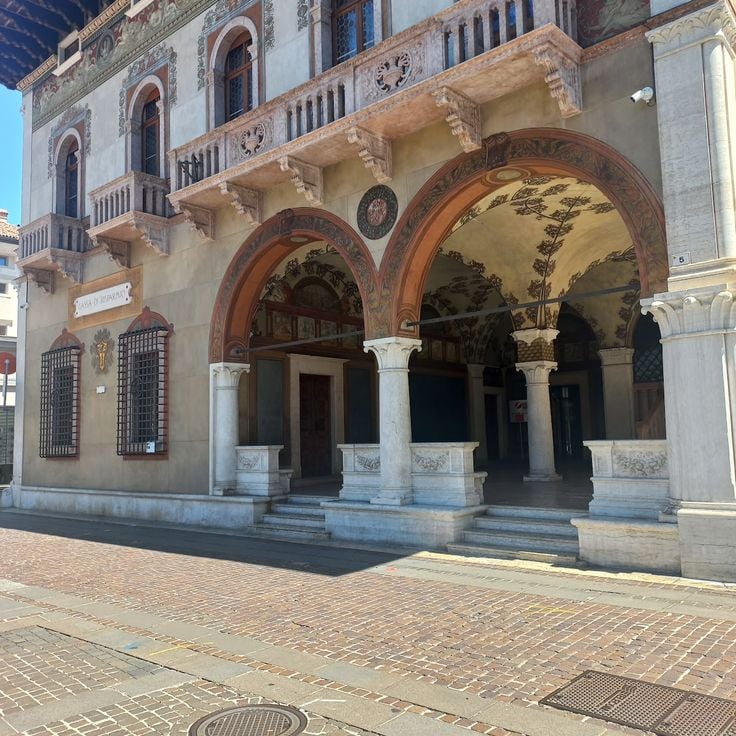
The historic centre of Rovereto is an old town with narrow streets, squares and ancient architecture. You can see the traces of centuries in the buildings and streets. The town sits in the Trentino-Alto Adige region, where the Alps and Dolomites meet. Rovereto was an important place for the art scene and is home to museums like the MART. The old town shows how people in this mountain region lived, with influences from Italy and Central Europe.
Lake Garda is Italy's largest lake, with its northern shores nestled between steep mountains and rolling hills. The water mirrors the surrounding peaks, creating a landscape where Central Europe meets the Mediterranean. This region blends Alpine traditions with Italian culture, and the towns along the shore preserve ancient crafts and local cuisine. The lake sits in Trentino-Alto Adige, where medieval castles tell the story of prince-bishops and local rulers.
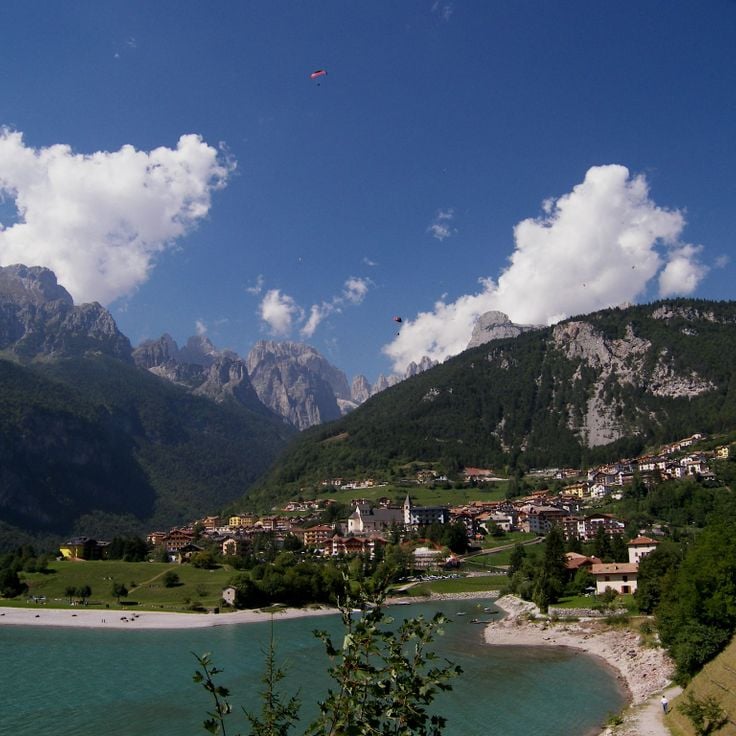
Lago di Molveno is an Alpine lake in this region where Italy meets Central Europe between the Alps and the Dolomites. The clear water reflects the surrounding mountains in a landscape shaped by glaciers. This lake is part of the region's network of waters alongside Lake Garda and Lago di Braies, places that define how people spend their time here. Around the lake you find hiking paths, small villages, and proximity to medieval castles built by prince-bishops and local lords.
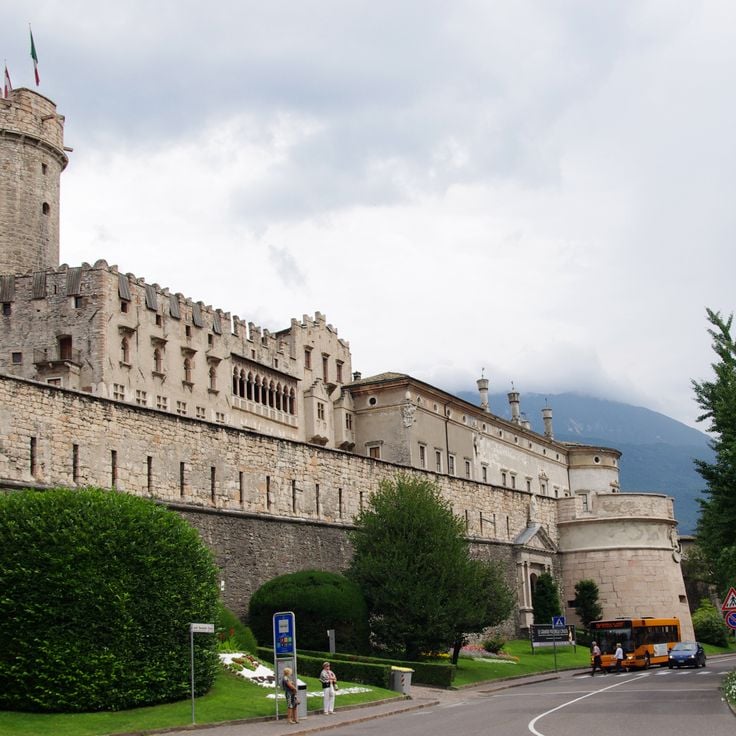
The Castello del Buonconsiglio is a medieval castle in Trento that shows how the prince-bishops once ruled this region between the Alps and Central Europe. Its towers and courtyards reveal the power and organization of these leaders. Walking through its stone walls and old rooms feels like reading history written in architecture. This castle stands in a region where Italian and Central European cultures have long mixed, leaving their marks on the land and its people.
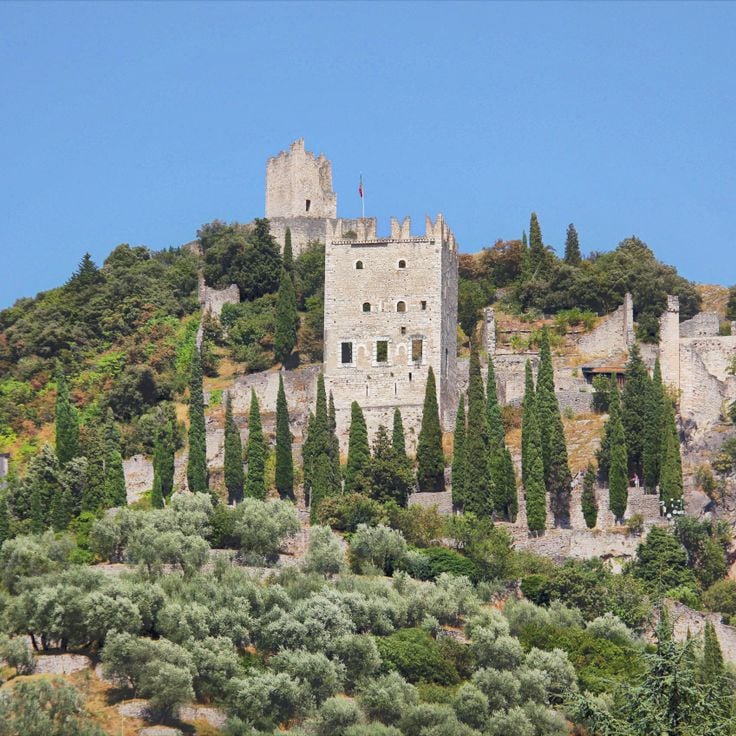
The ruins of Castello di Arco rise above the town of Arco, commanding views over the surrounding landscape. This fortress was once the seat of the Lords of Arco, who ruled the region during the Middle Ages. From this vantage point, one can understand the connection between the Alps and the lands to the south that have shaped this territory. The castle speaks to a time when local nobility exercised their power from such strategically positioned strongholds.
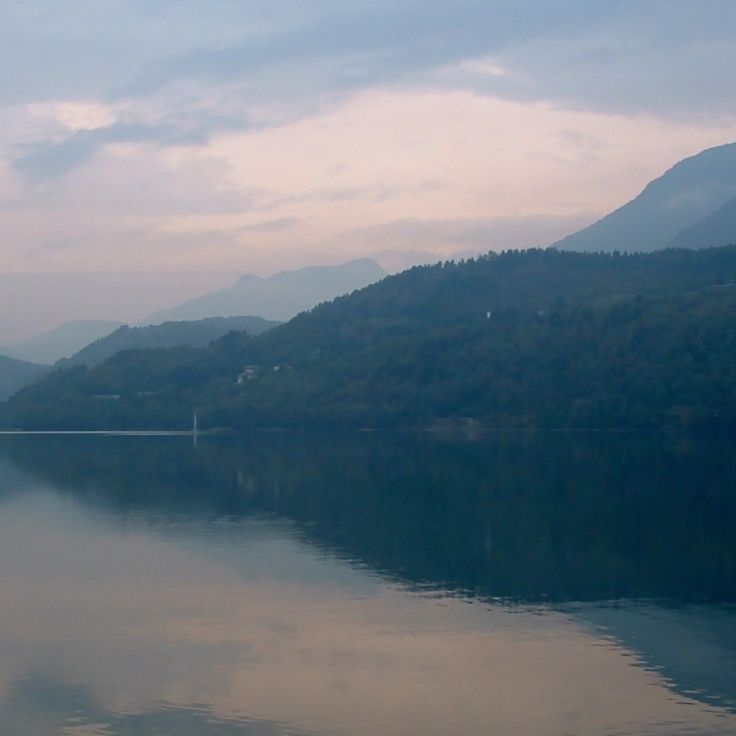
Lake Caldonazzo sits in the Valsugana, a valley region between the Alps and the Dolomites. This mountain lake is framed by steep slopes and reflects the surrounding peaks. The water is clear and the shoreline is lined with forests. The lake is a place where hikers and visitors enjoy the mountain landscape that defines this alpine region. Small villages and settlements around the lake show how people live in these mountains.
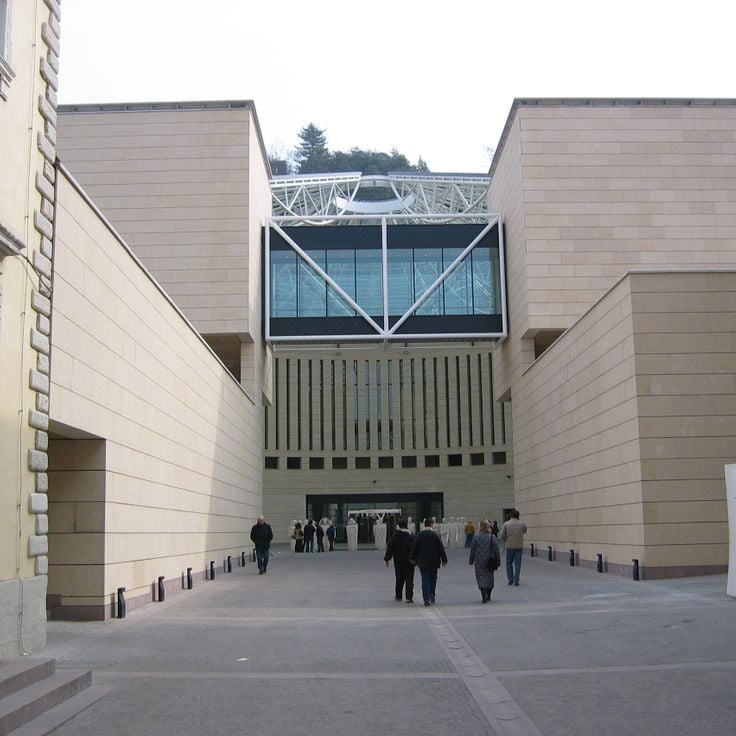
The MART in Rovereto is a museum of modern and contemporary art that shows how Trentino-Alto Adige looks toward the future while honoring its past. Located in a region framed by Alpine landscapes and historical cities, this museum reflects the area's commitment to artistic expression and cultural dialogue. It stands as a bridge between the region's medieval heritage and its living contemporary voice.
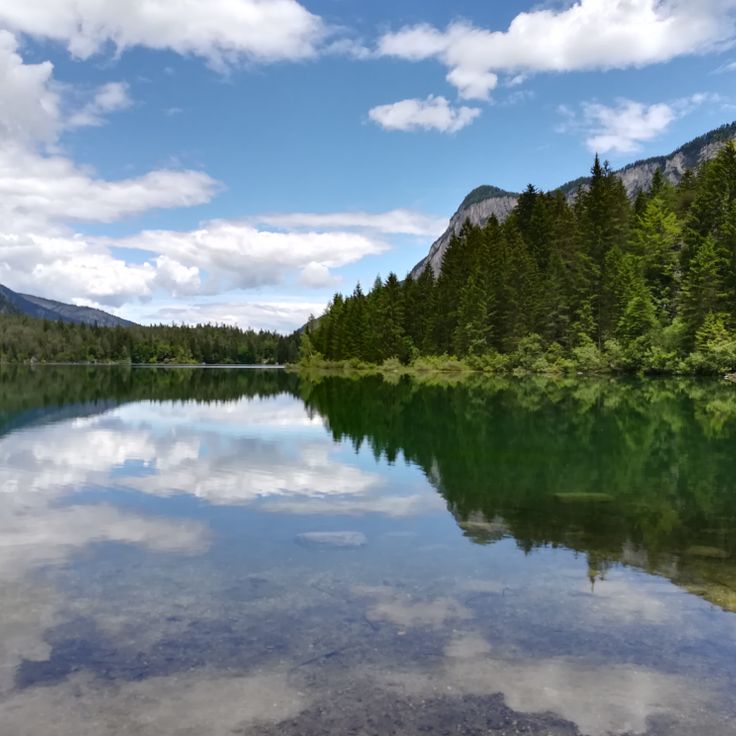
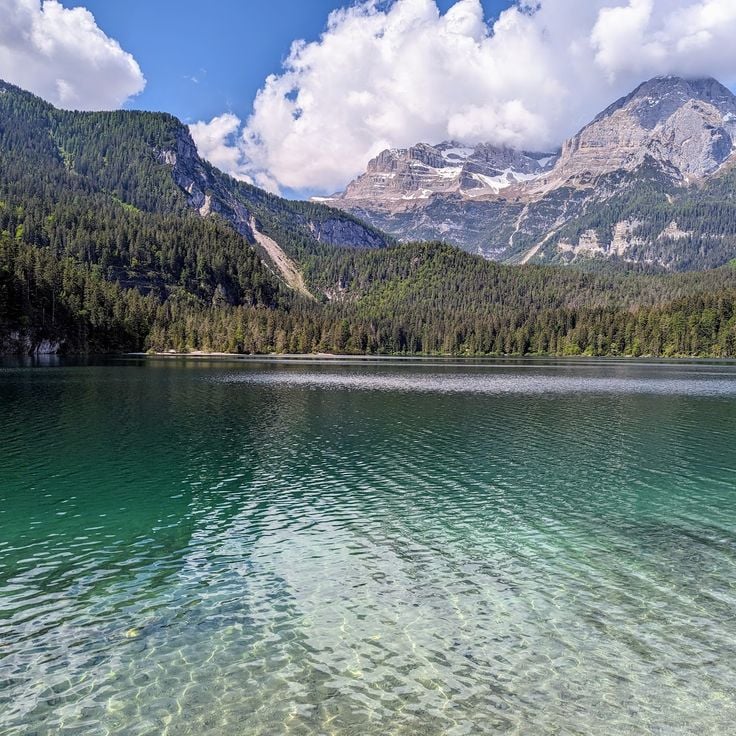
Lake Tovel sits in the Val di Non and is surrounded by the Dolomites. This alpine lake is known for its clear water that shifts in color depending on the season and light. The shores are lined with forests and meadows, with walking paths around the water. Visitors can swim in summer at what is considered one of the cleanest lakes in the Alps. On clear days, mountain peaks reflect in the water. The area maintains the quiet rhythm of an Alpine valley, away from crowded tourist spots.
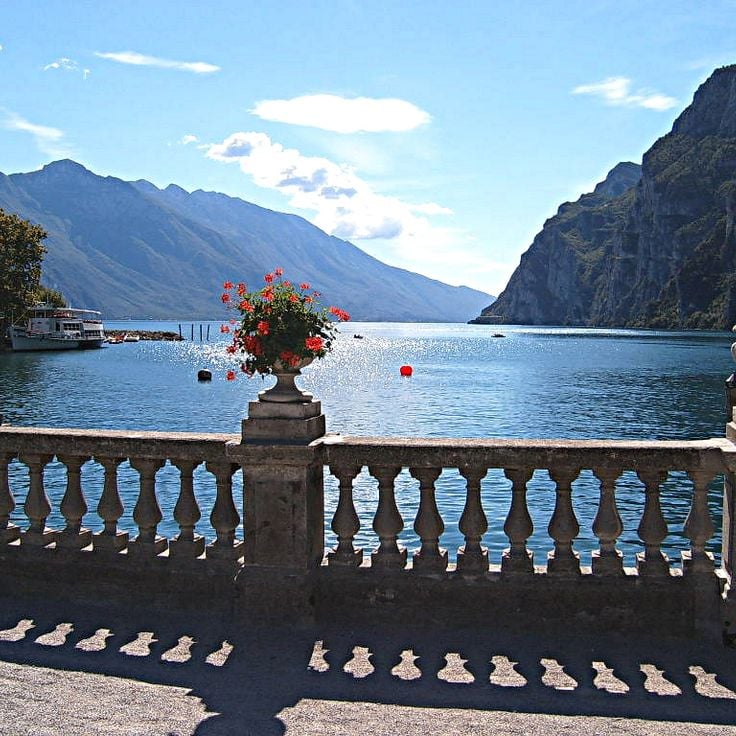
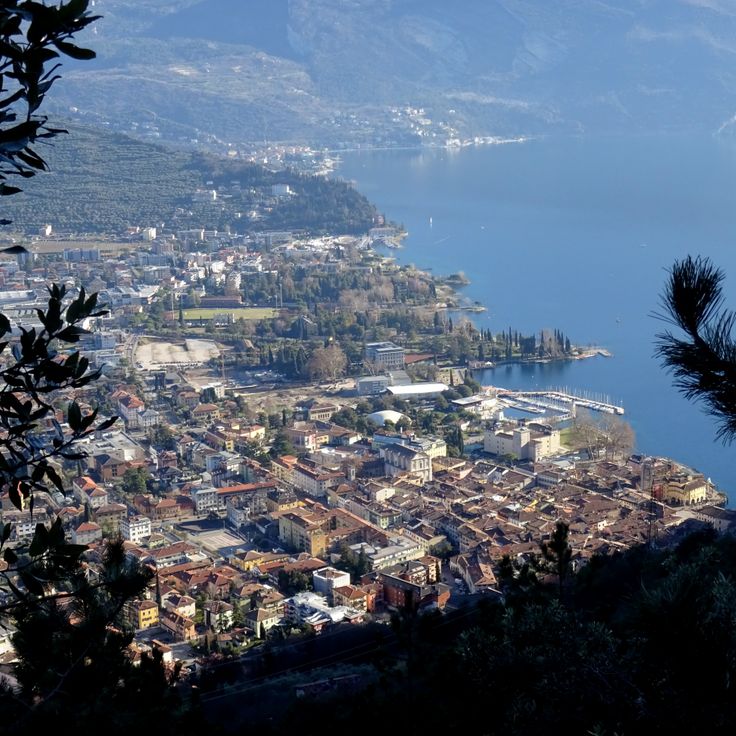
Riva del Garda is an old town on the northern shore of Lake Garda. Here mountains meet water. The town has narrow streets lined with buildings from different periods, a harbor filled with boats, and waterfront paths. You can walk along the lake, explore the historic old town, or use it as a base to reach the Dolomites. The water reflects the surrounding mountains.
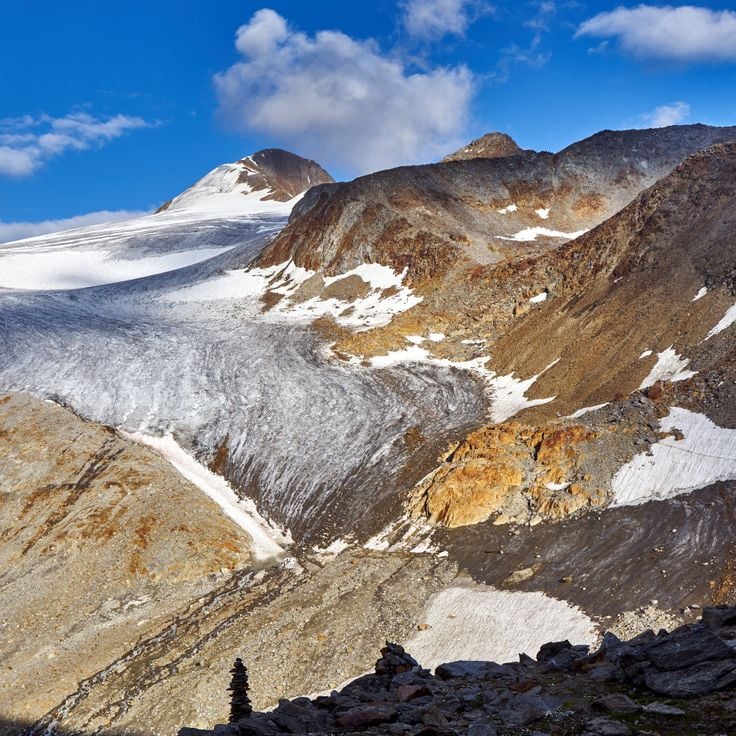
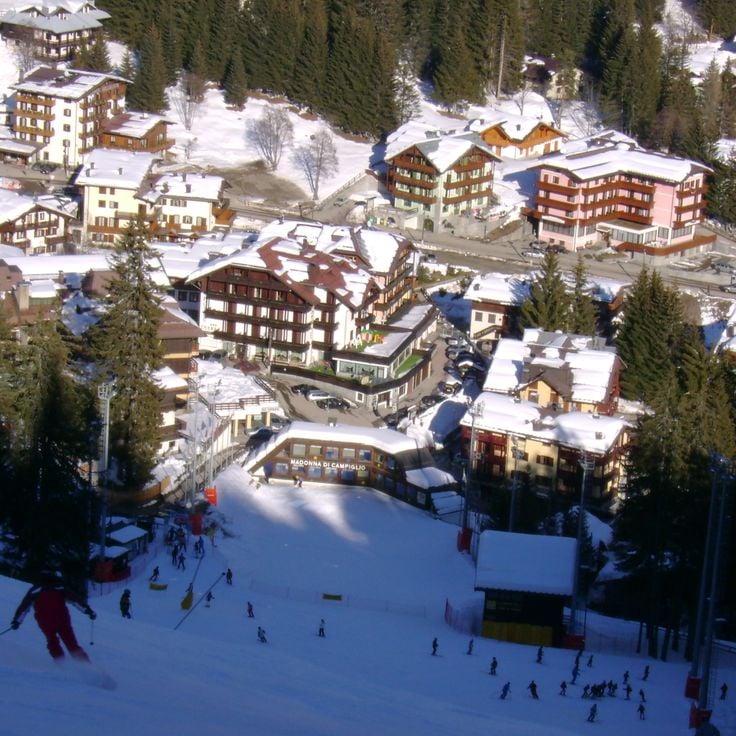
Adamello Brenta Natural Park in Madonna di Campiglio protects a vast mountain region with glaciers, forests, and alpine meadows. Hiking trails cross through valleys carved by ice, passing waterfalls and rocky peaks. Wildlife such as marmots, eagles, and chamois live throughout the park. The landscape shows layers of geology and seasons: granite cliffs give way to green slopes in summer, while snow covers everything in winter. Mountain huts and traditional pastures sit among the scenery.
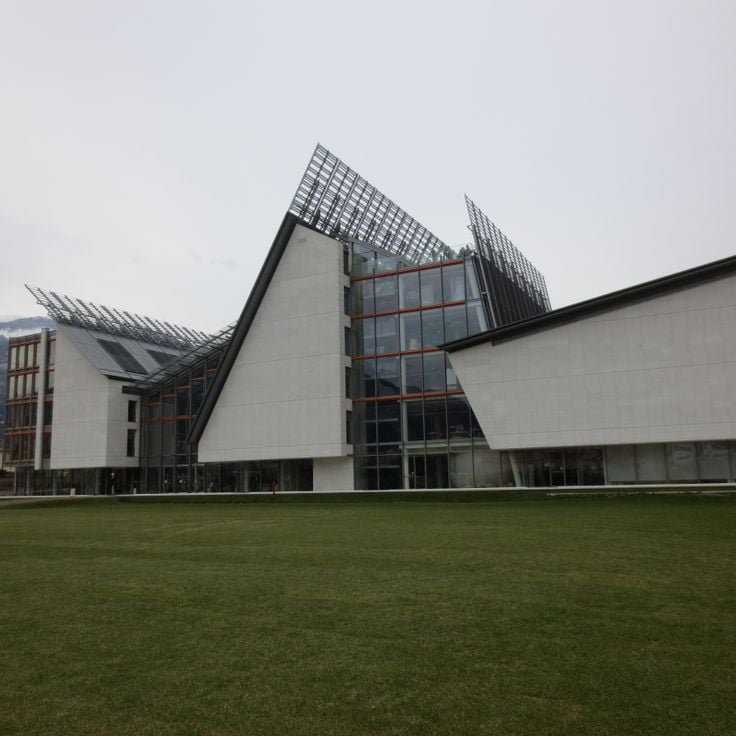
The MUSE is a science museum in Trento that tells the story of the Alpine region through interactive displays. Visitors can explore the nature of the Dolomites, the geology of the mountains, and how people have lived in these valleys. The museum helps you understand how the landscape shaped the communities here and how they continue to thrive today. It is a place where you can touch, experiment, and discover.
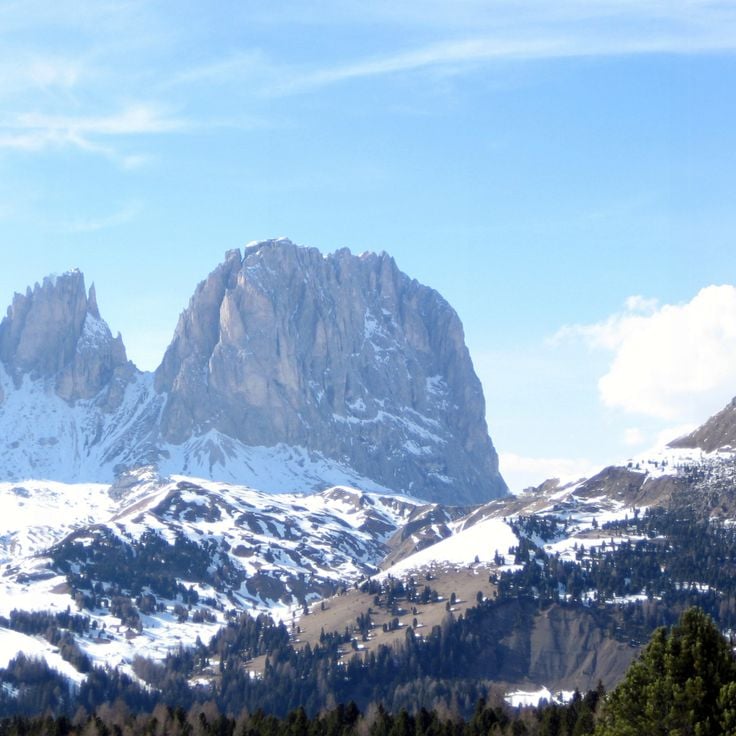
Passo Sella is a mountain pass in the Dolomites that connects Val di Fassa with Val Gardena. From here, views open up across steep rock faces and mountain ridges in this region. The pass serves as a popular starting point for hiking and mountain biking routes. In summer, trails lead to alpine meadows and into the surrounding valleys. This location shows how closely nature and local culture are intertwined in this area.
The Rio Sass Canyon in Val di Non is a gorge with a river and hiking trails. It sits in Trentino-Alto Adige, a region between the Alps and the Dolomites where Italian history meets mountain culture. The valley is part of a landscape shaped by glaciers, where people have lived and worked in the mountains for generations.
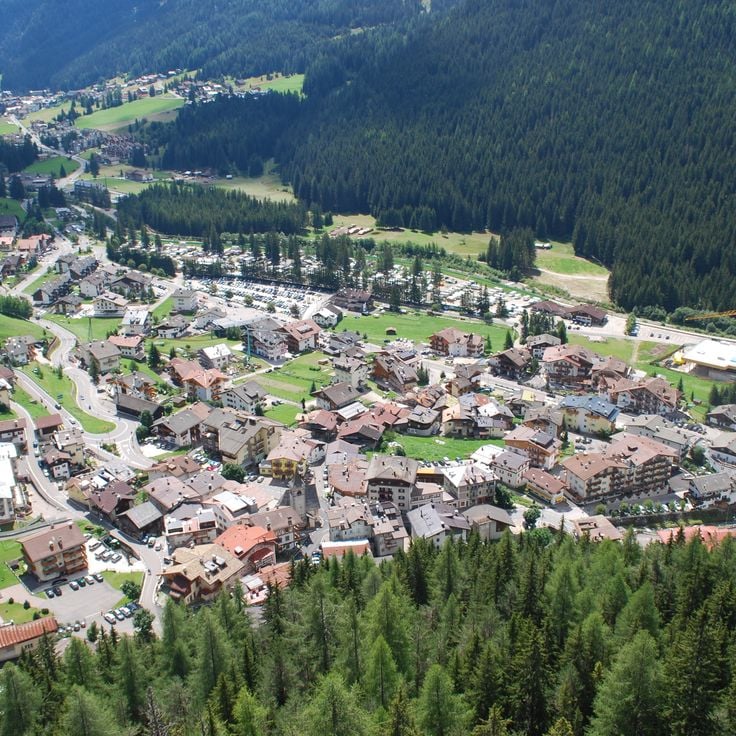
Canazei is a village in the Dolomites that serves as a gateway to the Sella and Pordoi passes. The village sits in the heart of Val di Fassa, a valley that has kept its Ladin culture and language alive. Here, mountain tourism and local traditions exist side by side. The surrounding area offers walks and mountain drives to the rocks and peaks nearby. Canazei brings together the daily life of an alpine village with opportunities for visitors who want to explore the mountain landscape.
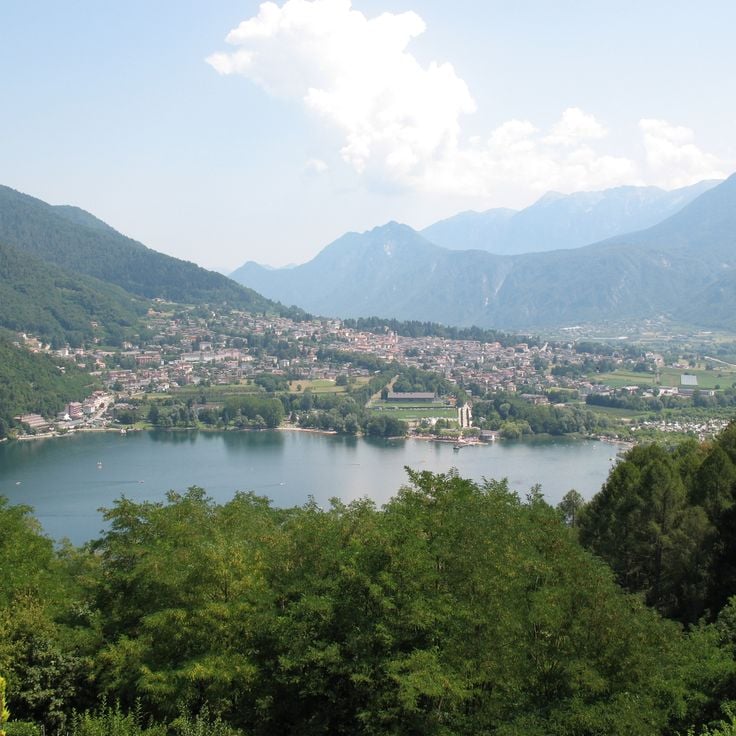
Lake Levico sits in the Valsugana valley, a part of the Trentino-South Tyrol region between the Alps and the Dolomites. This lake reflects the surrounding mountains and is part of a landscape shaped by glaciers. The area preserves alpine traditions, crafts, and local food. The lake offers space for rest and hiking in a region where medieval castles and Renaissance squares tell stories of the past.
Madonna di Campiglio is a mountain station in the Dolomites, sitting between high peaks and green valleys. The place serves as a starting point for hiking through the alpine landscape and is known for its location in a region where Italian traditions meet Central European influences. Visitors can explore mountain trails, experience the nature of the Dolomites, and learn about the craftsmanship traditions of the local people.
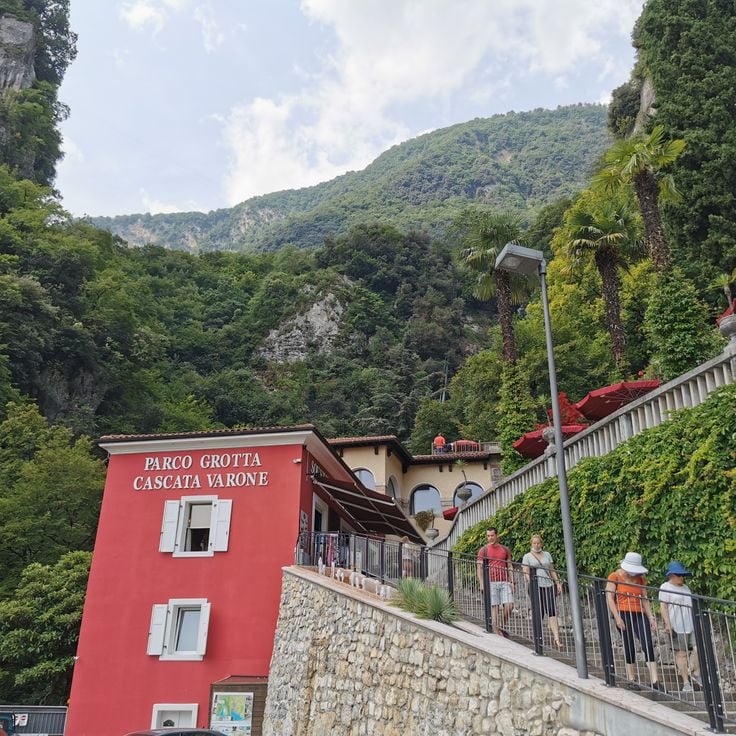
The Cascata del Varone is a waterfall with a walkable gorge near Riva del Garda. Water plunges through narrow rock walls, creating a landscape shaped by glaciers. This place fits perfectly within the Trentino-Alto Adige region, where the Alps and Dolomites offer hikes through dramatic natural scenery. The path leads visitors directly beside the water, between stones and vegetation, giving a direct sense of nature's power.
Val di Fassa is a valley in the Dolomites where local traditions continue to shape daily life. The people here speak Ladinisch, a language rooted in this region for centuries. Villages in the valley maintain their alpine architecture and craftsmanship traditions. In summer and winter, the valley draws hikers and skiers who come to explore the mountain landscape. The food of the valley reflects local products and recipes passed down through generations. Val di Fassa provides access to some of the Dolomites' most impressive mountain massifs, including Tre Cime di Lavaredo.
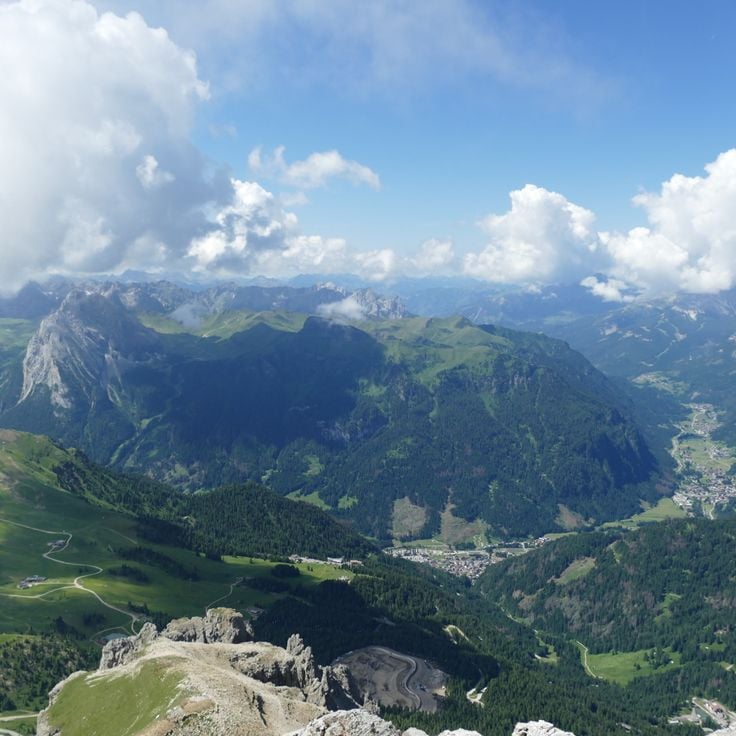
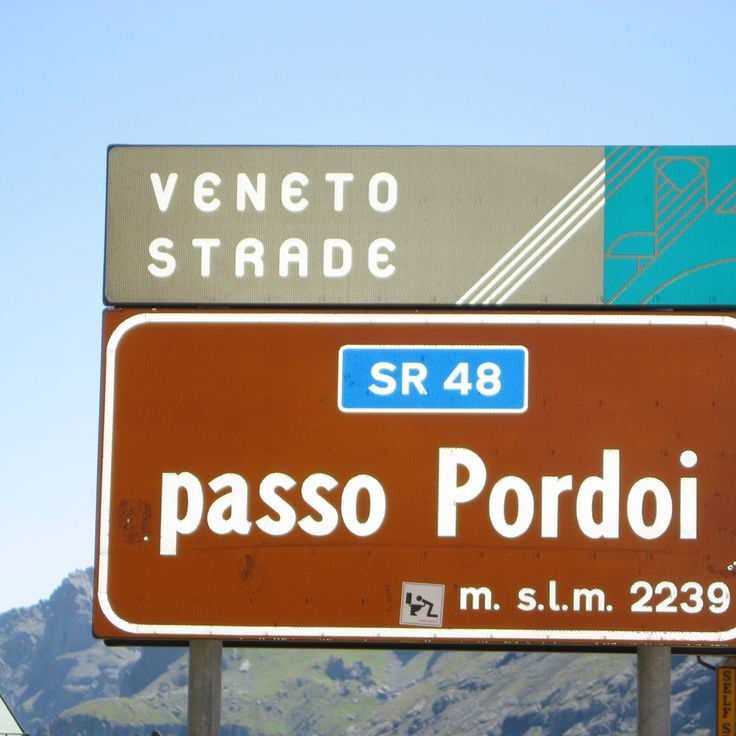
Passo Pordoi is a mountain pass that connects the valleys of the Dolomites. The cable car carries visitors to higher viewpoints where the rocky peaks of Tre Cime di Lavaredo and surrounding massifs rise into view. On clear days, the sight extends across ridges and distant summits. This pass serves as a meeting point for hikers, cyclists, and those seeking to experience the scale and shape of these mountains. The pass itself carries the character of the high Alpine landscape, marked by exposed rock and winding roads.
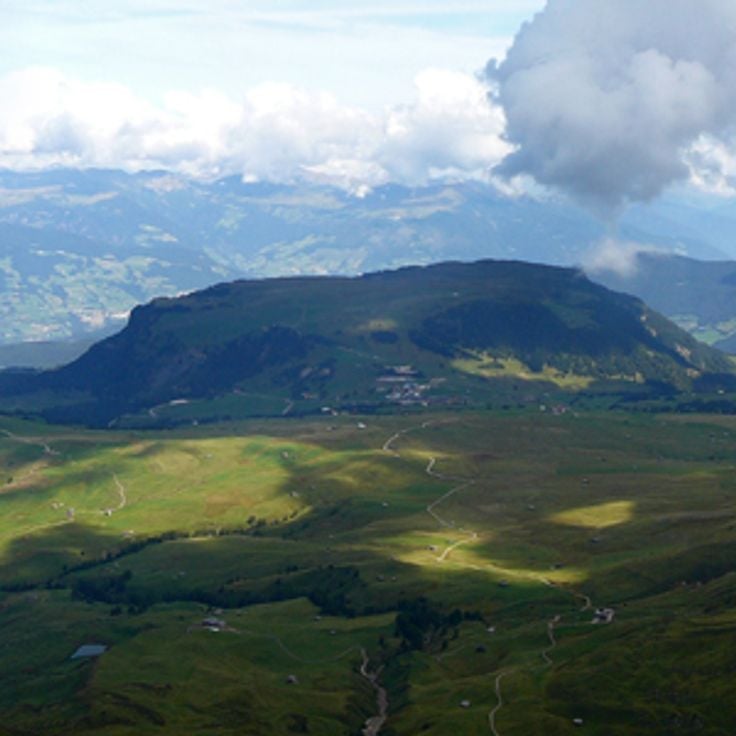
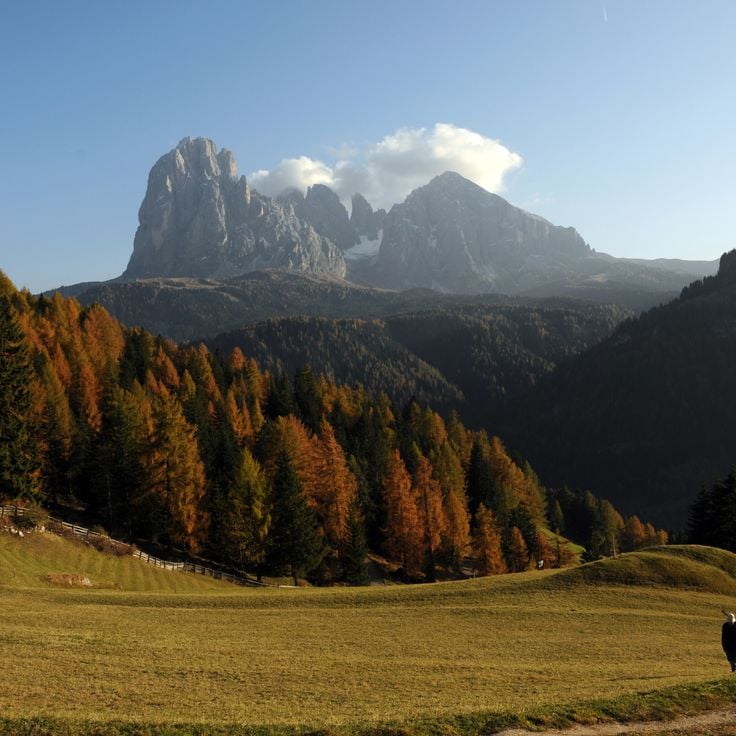
Alpe di Siusi is a large alpine plateau in the Dolomites, spread across green meadows and hiking trails. From here, you see the distinctive peaks of the Tre Cime di Lavaredo and other surrounding summits. In summer, cows graze on the alpine pastures; in winter, the plateau becomes a ski area. The air is clear and thin at this elevation, and on clear days your view extends far across the valleys. Val Gardena, where this plateau sits, has kept its own language and culture, which you feel everywhere in the region.
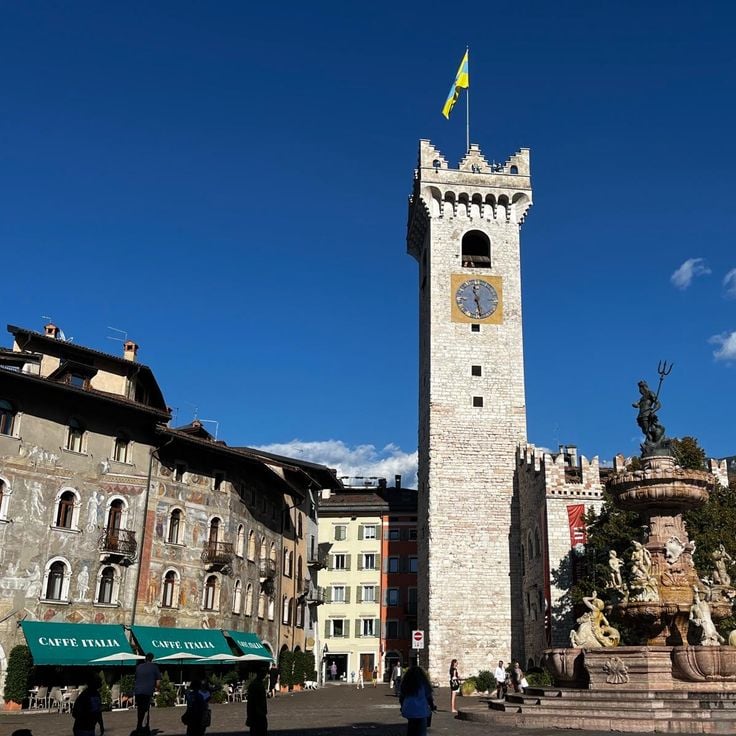
The Piazza Duomo sits at the heart of Trento's old town and brings together the cathedral with historic buildings. This square defines the character of the city, where architecture from different periods comes together. The cathedral dominates the space, while the surrounding facades tell stories of merchants, craftspeople, and rulers. On this plaza, city life comes together, especially when markets and festivals happen. The fountain in the center draws the eye and creates a place to pause.
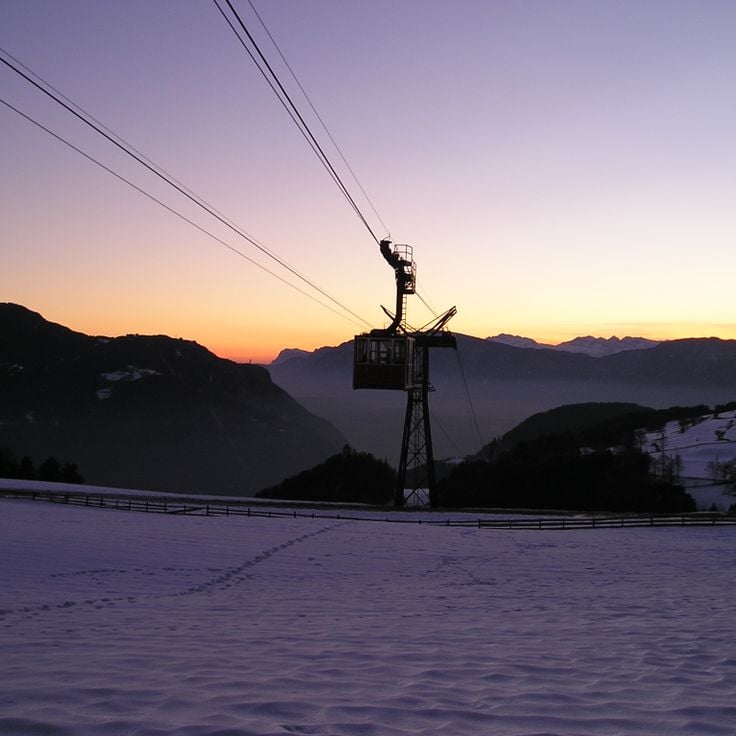
The Renon cable car is a mechanical lift that climbs from Bolzano up to the Renon plateau. It connects the city to a mountain-top area where traditional villages and meadows shape the mountain landscape. This railway is part of the mountain network of the Trentino-Alto Adige region, where old cable cars and cog railways have for generations carried visitors and residents to higher elevations. From the plateau, you can walk into the surrounding valleys and forests.
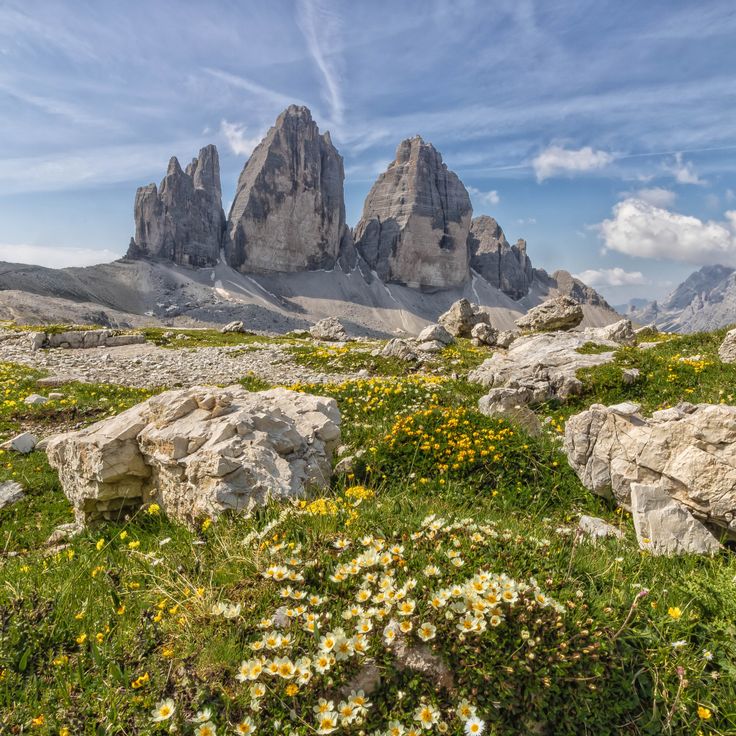
The Tre Cime di Lavaredo are three distinctive rocky peaks in the Dolomites. These mountains stand out with their vertical limestone walls and dramatic shapes. They sit in a region where the Alps meet Central Europe, surrounded by valleys that keep their local languages and crafts alive. Hikers and climbers come here to tackle the ridges and take in the views. The peaks are part of an area filled with lakes, castles, and villages that connect history with nature.
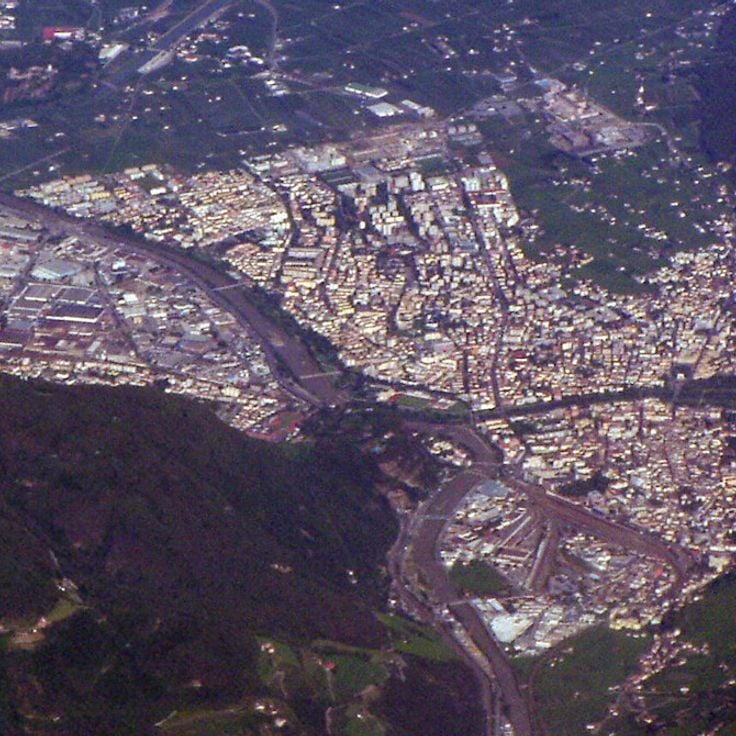
The center of Bolzano sits at the heart of a city caught between Italy and Central Europe. Here, narrow streets lined with arcades offer shelter for cafes and shops nestled under stone vaults. Piazza Walther serves as the gathering place, where Renaissance buildings stand alongside modern activity. The Cathedral rises above with its colorful roof, and side streets hold markets selling fruit, vegetables, and local crafts. In winter, Christmas markets fill the center with mulled wine and regional treats. German is the everyday language here, though Italian is heard throughout, and this duality shapes the place's identity.
The Archaeological Museum of Bolzano houses the remains of Otzi, the famous Stone Age man found in the glaciers, along with many prehistoric objects from the region. The museum displays tools, pottery, and everyday items that show how people lived in the Alps thousands of years ago. The exhibits explain the daily life of early inhabitants and how they adapted to mountain life. This museum helps visitors understand how deep the history of this place goes and how long people have called it home.
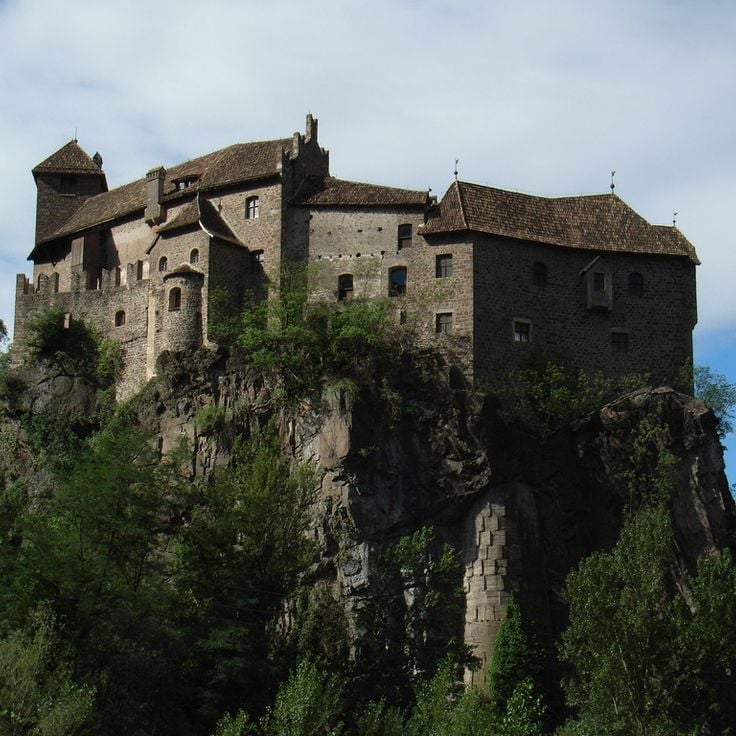
Castel Roncolo is a medieval castle overlooking Bolzano, standing on a hilltop above the city. The fortress is known for its detailed frescoes depicting scenes from medieval literature and daily life, with paintings showing knights, hunting scenes, and courtly activities. Visitors can walk through rooms that reveal the history of the noble family who once lived here. The castle connects the medieval past of the region with the Alpine architecture characteristic of the Trentino-Alto Adige area, representing one of the important historical structures between the Dolomites and the valleys below.
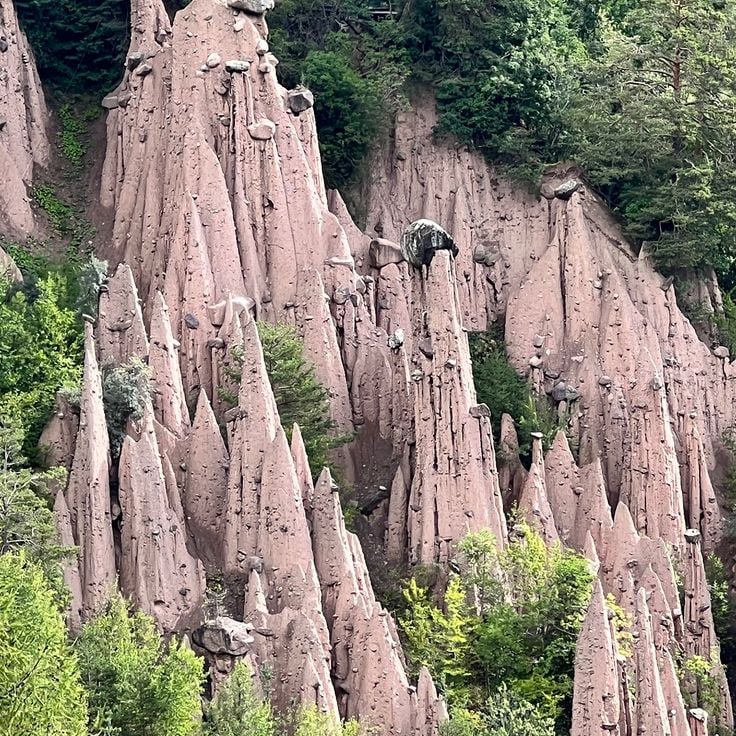
The earth pyramids of Ritten were shaped by erosion and define the character of this plateau above Bolzano. These striking formations rise like towers from the ground, offering a sense of nature constantly reshaping itself. Visitors who hike up here enter a different world from the valleys below, with wide views and a landscape whose story is written in the geology of the area.
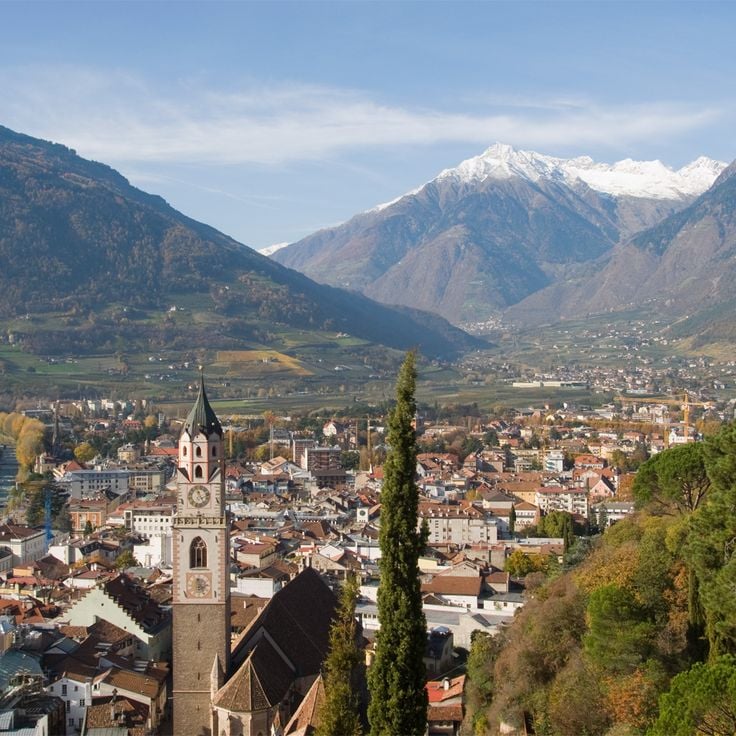
Merano is a spa town nestled in the foothills between the Alps and the Dolomites. The city draws visitors with its thermal baths and wellness facilities that have been welcoming guests for generations. Long walking paths wind through parks and along the Passeier River, while the architecture reflects both Austrian and Italian influences. The old town, with its narrow streets, reveals the layers of its past as a cultural hub of South Tyrol.
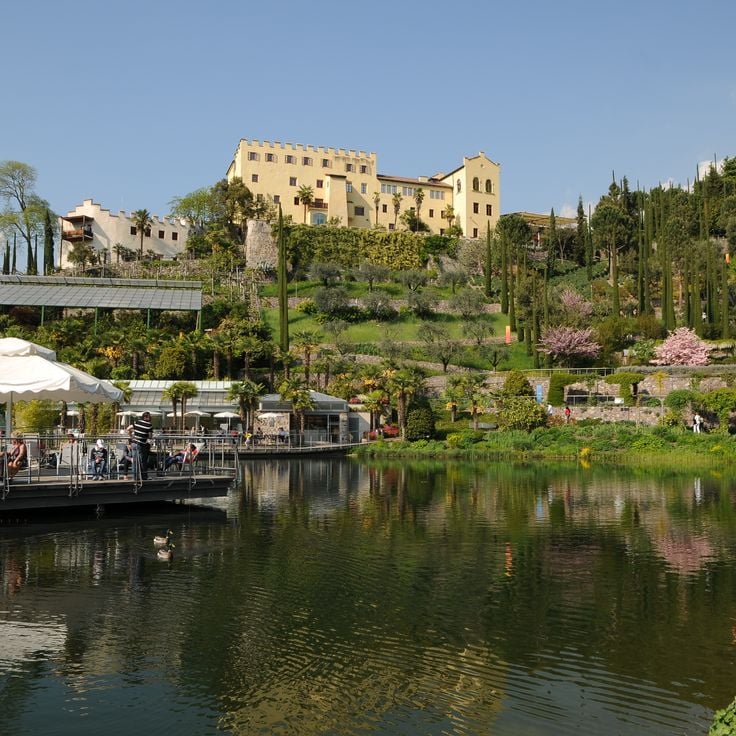
The gardens of Castel Trauttmansdorff sit on the heights above Merano and display plants from different parts of the world. You can find sections with Mediterranean vegetation, woodland gardens, and wetland habitats. The location offers views of the city and surrounding mountains. The gardens are arranged in terraces that connect nature with the history of the former castle.
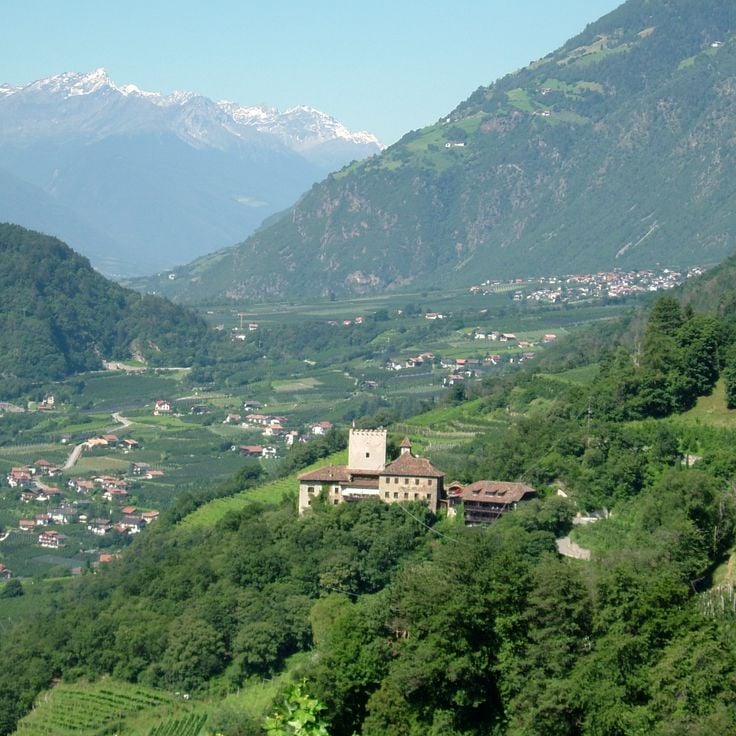
Castel Tirolo rises on a hill above Merano, overlooking the town and the surrounding mountains. This medieval castle was once the seat of the Counts of Tirol. Today it houses a museum that tells the story of the region, with furniture, weapons, and artworks from different periods. The rooms show how noble families lived here. From the walls you can look out over the valleys and see the mountain ranges that define this area.
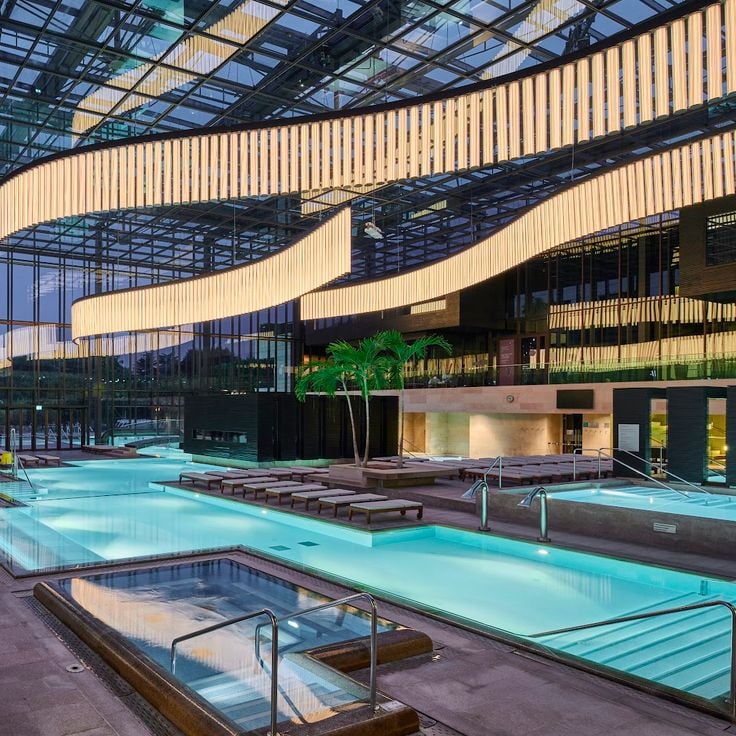
The Merano thermal baths are a modern wellness complex in this city in South Tyrol. The facility uses warm natural springs and offers pools, saunas, and spa areas for visitors. The building combines contemporary design with its setting in a town known for its gardens and mild climate. People come here to enjoy the healing properties of the thermal water while surrounded by the nearby mountains and the town's leafy parks.
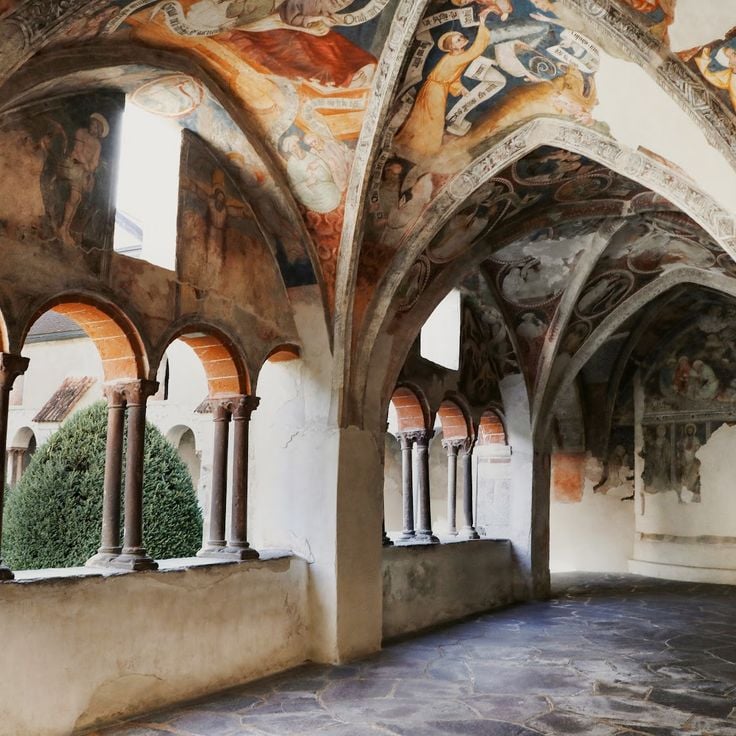
The cloister of Brixen Cathedral sits in the heart of this old city, opening onto a quiet square where arcades frame a green courtyard. The walls hold centuries of stories, while the adjacent cathedral rises above the rooftops of the old town. Here alpine craftsmanship and Italian grace blend together, surrounded by buildings that reflect the long history of bishops and merchants who shaped this place.
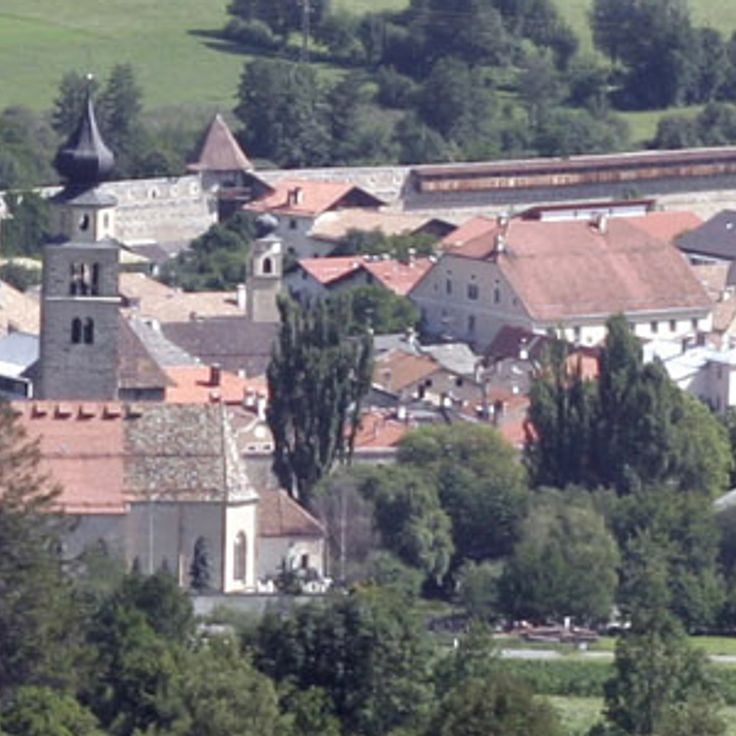
Glorenza is a small fortified town in South Tyrol that has kept its medieval character. The town is surrounded by old walls and towers that still stand today. Inside, you will find narrow streets, historic buildings and squares that tell stories of past centuries. Glorenza sits near the Swiss border and reflects the history of this border region between Italy and Central Europe.
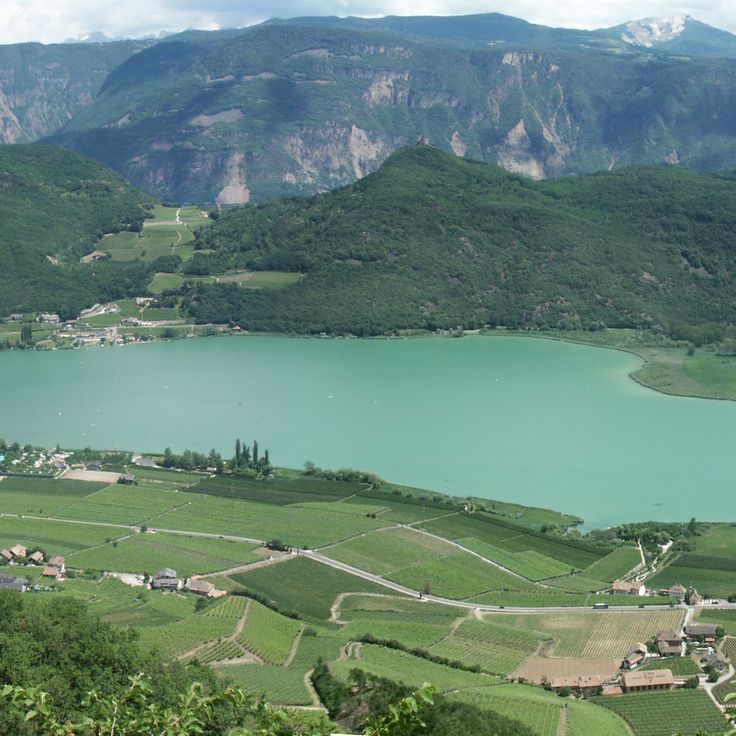
Lake Caldaro sits surrounded by vineyards in the gentle hills of South Tyrol. The water is warm and welcoming for swimming. Small villages and wine estates dot the shore, where local wines are made and served. The lake reflects the surrounding mountains and provides a calm place to stop and rest during travels through the region.
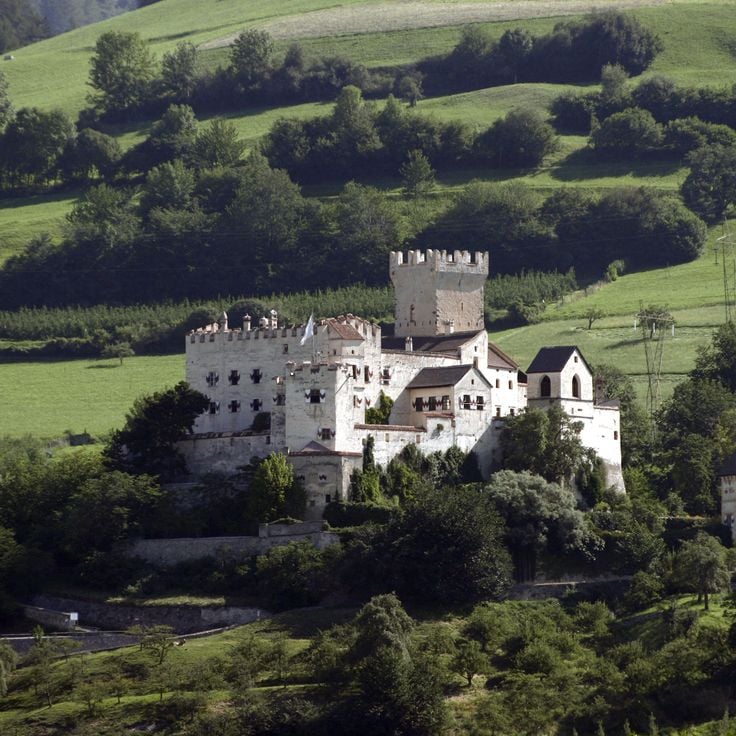
Castel Coira is a medieval castle in the Val Venosta valley, situated in the Trentino-Alto Adige region between the Alps and the Dolomites. The castle speaks to the history of bishops and local rulers who shaped this area. With its stone walls and towers, it overlooks the mountains and valleys where ancient languages and craft traditions still thrive today. Visitors can explore medieval architecture and regional art collections within its walls.
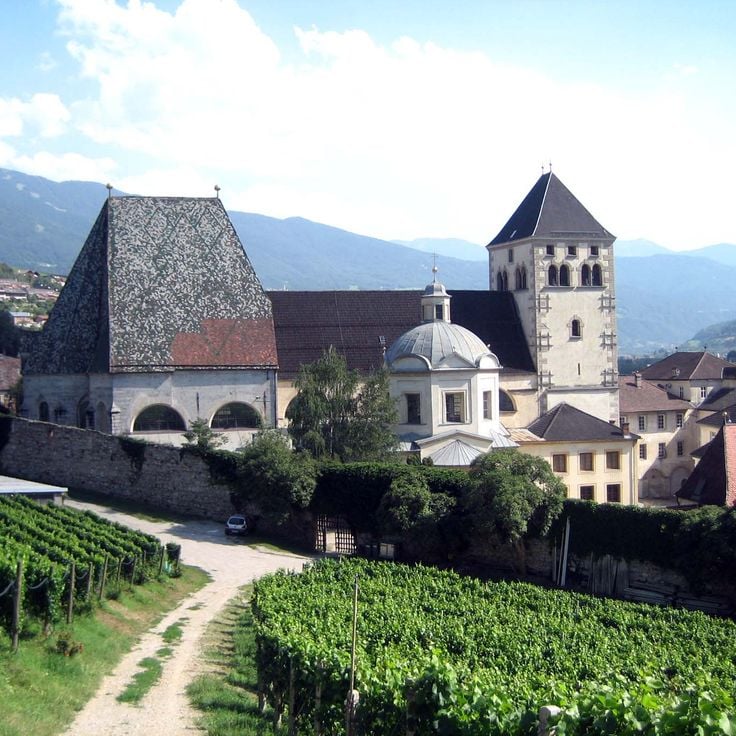
Novacella Abbey is a Cistercian monastery near Bressanone with a cloister and wine cellars. It stands in the Trentino-Alto Adige region, where medieval monasteries and castles sit alongside alpine landscapes. The abbey has kept a long tradition of winemaking that continues today. The cloister shows the monastic architecture of this area, and the vineyards around it are part of the local culture between the mountains.
Val Gardena is a valley in the Dolomites where villages sit between steep mountain walls. The people here speak Ladin, an ancient language found only in this region. The valley is known for its woodcarving tradition and craftspeople who create objects by hand. In winter, the slopes become ski areas; in summer, hikers come to explore the mountain landscape. Towns like Ortisei and Selva are small communities with local restaurants serving regional food.
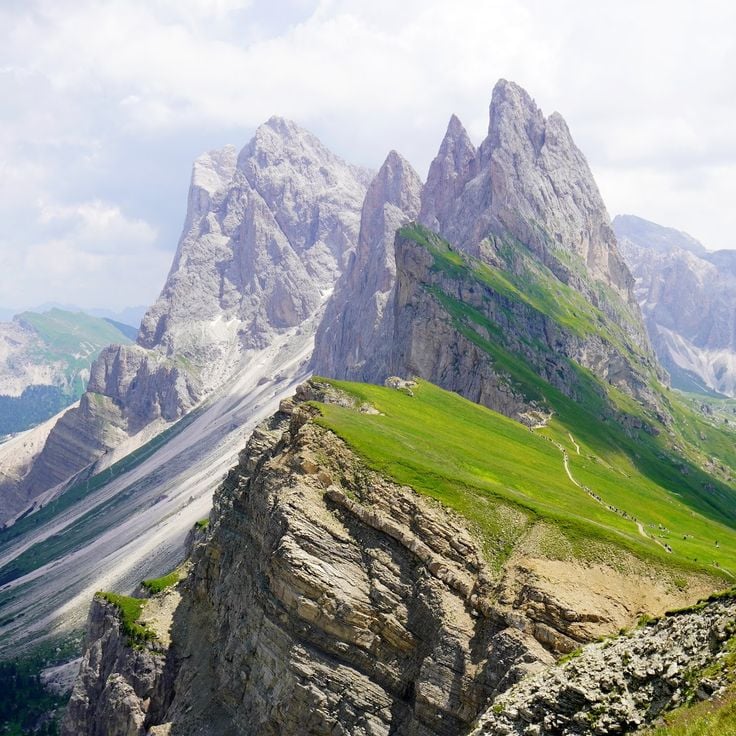
Seceda in Val Gardena is a mountain peak reached by cable cars. From this high point, you see the Dolomites all around you: steep rock faces, green meadows, and other mountains stretching into the distance. In summer, many hikers come here to walk the trails. In winter, skiers take over the slopes. This area sits in a region where old traditions still matter and where three languages are spoken - German, Italian, and Ladin.
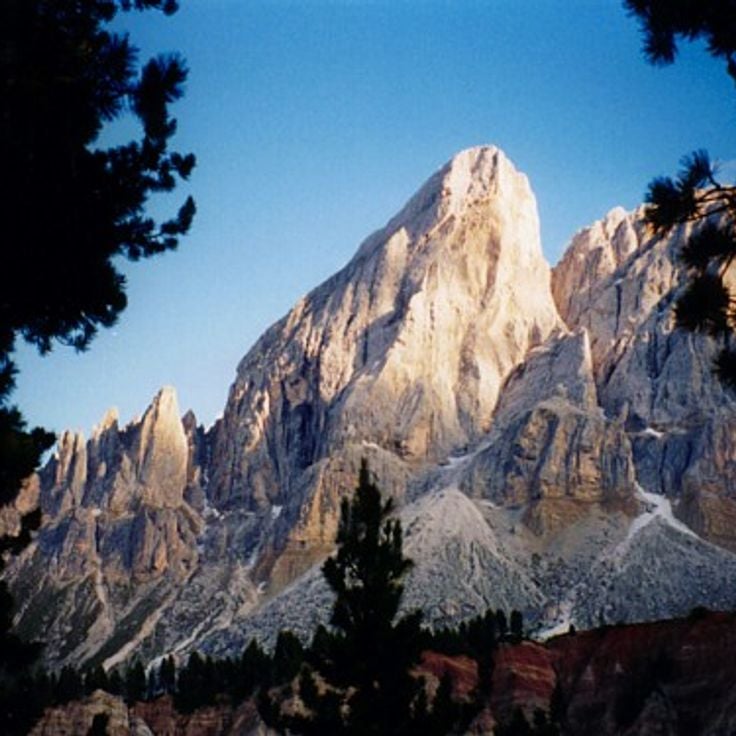
The Passo delle Erbe is a mountain pass in Val Gardena offering views over the Sass de Putia and the surrounding Dolomite landscape. Hikers and cyclists use this route to connect different trails and enjoy the mountain panorama. In Val Gardena, where local languages and customs have persisted through the centuries, this pass is part of the network of paths that wind through alpine valleys and reveal the work of glaciers on the rock formations.
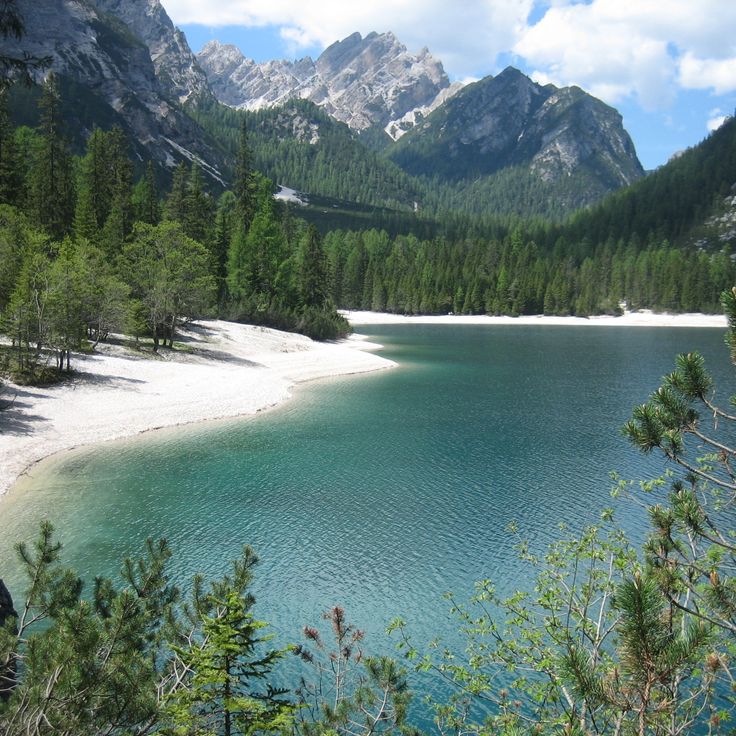
Lake Braies sits in the Puster Valley surrounded by steep mountain walls and is one of the most striking lakes in this part of the Dolomites. The water shifts color throughout the day, reflecting the peaks around it. This lake is part of a region where nature, history, and culture intersect. Visitors come here to walk along the shores, take in the mountain views, and experience the landscape that shaped the people who live in these valleys.
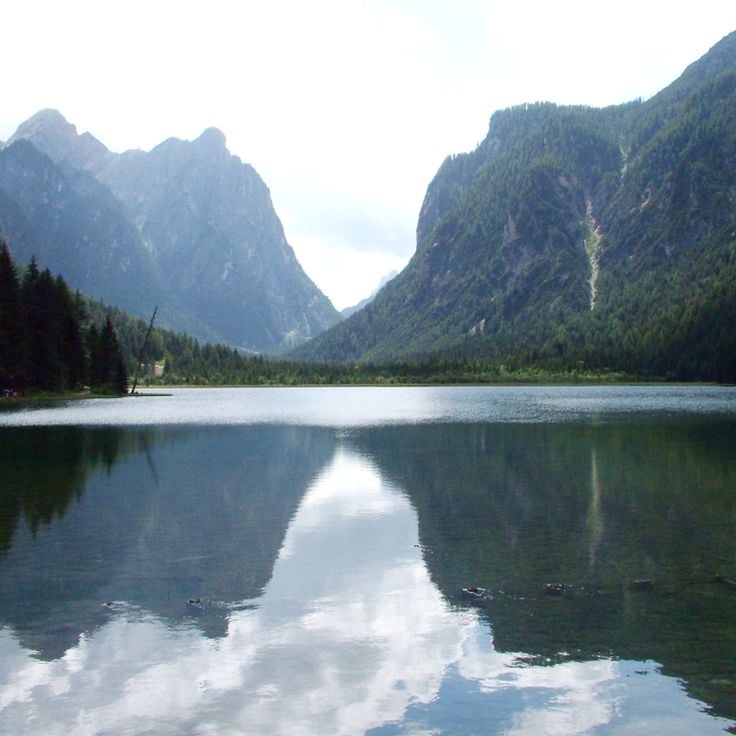
Lake Dobbiaco sits in the Puster Valley and mirrors the Dolomite peaks around it. This lake is part of a region where mountain landscapes and alpine traditions endure. It offers space for hiking, swimming, and time by the water. The surrounding peaks shape the scenery and the paths through this part of the Dolomites, where nature and daily life are intertwined.
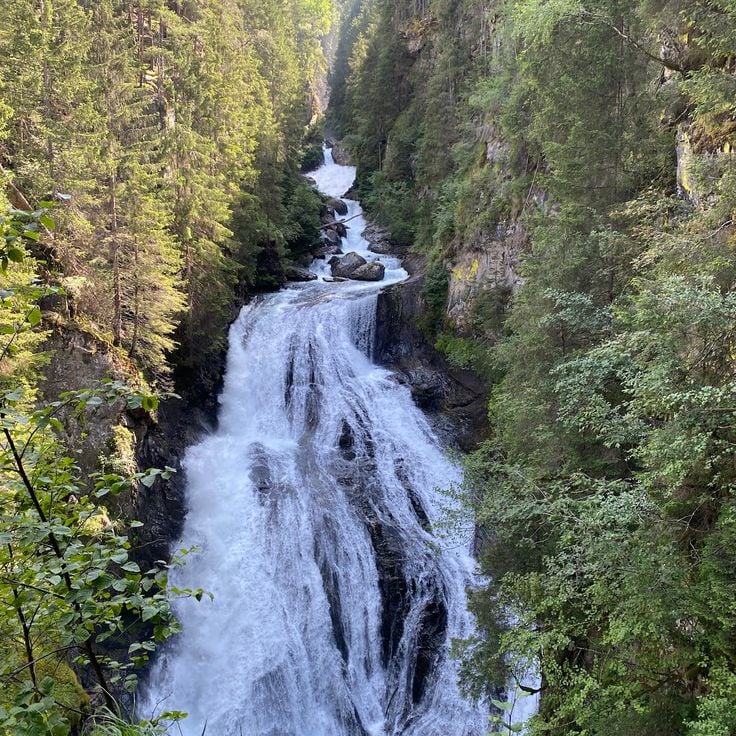
The Riva Waterfall stands in Trentino-Alto Adige, a region where Italy meets Central Europe between the Alps and the Dolomites. This natural site displays the force of mountain waters flowing through valleys carved by glaciers. The waterfall belongs to a landscape that also holds medieval castles like Buonconsiglio and traditional villages with their own languages and crafts. Here, Italian and Central European cultures come together, and waterfalls form part of the alpine heritage that draws hikers and nature lovers to the area.
The Gruppo di Tessa Natural Park sits above Merano and contains trails for walking through alpine terrain. From these paths, you see the mountains and valleys of the region. The park is a place where you can explore the landscape on foot and experience the quietness of the mountains. The routes pass through different elevations, across meadows and through forests. It is a good place to get to know the area around Merano.
Lago di Carezza sits in the Val Gardena, framed by Dolomite peaks. The lake's waters mirror the surrounding mountains and shift between different shades of blue depending on the time of day and light. The lake is small and easy to reach, perfect for a walk or to sit by the shore. The landscape around it shows typical alpine features with forests reaching down to the water. The valley has kept its Ladin language and culture, which remain part of daily life today.
The historic centre of Rovereto is an old town with narrow streets, squares and ancient architecture. You can see the traces of centuries in the buildings and streets. The town sits in the Trentino-Alto Adige region, where the Alps and Dolomites meet. Rovereto was an important place for the art scene and is home to museums like the MART. The old town shows how people in this mountain region lived, with influences from Italy and Central Europe.
Lake Garda is Italy's largest lake, with its northern shores nestled between steep mountains and rolling hills. The water mirrors the surrounding peaks, creating a landscape where Central Europe meets the Mediterranean. This region blends Alpine traditions with Italian culture, and the towns along the shore preserve ancient crafts and local cuisine. The lake sits in Trentino-Alto Adige, where medieval castles tell the story of prince-bishops and local rulers.
Lago di Molveno is an Alpine lake in this region where Italy meets Central Europe between the Alps and the Dolomites. The clear water reflects the surrounding mountains in a landscape shaped by glaciers. This lake is part of the region's network of waters alongside Lake Garda and Lago di Braies, places that define how people spend their time here. Around the lake you find hiking paths, small villages, and proximity to medieval castles built by prince-bishops and local lords.
The Castello del Buonconsiglio is a medieval castle in Trento that shows how the prince-bishops once ruled this region between the Alps and Central Europe. Its towers and courtyards reveal the power and organization of these leaders. Walking through its stone walls and old rooms feels like reading history written in architecture. This castle stands in a region where Italian and Central European cultures have long mixed, leaving their marks on the land and its people.
The ruins of Castello di Arco rise above the town of Arco, commanding views over the surrounding landscape. This fortress was once the seat of the Lords of Arco, who ruled the region during the Middle Ages. From this vantage point, one can understand the connection between the Alps and the lands to the south that have shaped this territory. The castle speaks to a time when local nobility exercised their power from such strategically positioned strongholds.
Lake Caldonazzo sits in the Valsugana, a valley region between the Alps and the Dolomites. This mountain lake is framed by steep slopes and reflects the surrounding peaks. The water is clear and the shoreline is lined with forests. The lake is a place where hikers and visitors enjoy the mountain landscape that defines this alpine region. Small villages and settlements around the lake show how people live in these mountains.
The MART in Rovereto is a museum of modern and contemporary art that shows how Trentino-Alto Adige looks toward the future while honoring its past. Located in a region framed by Alpine landscapes and historical cities, this museum reflects the area's commitment to artistic expression and cultural dialogue. It stands as a bridge between the region's medieval heritage and its living contemporary voice.
Lake Tovel sits in the Val di Non and is surrounded by the Dolomites. This alpine lake is known for its clear water that shifts in color depending on the season and light. The shores are lined with forests and meadows, with walking paths around the water. Visitors can swim in summer at what is considered one of the cleanest lakes in the Alps. On clear days, mountain peaks reflect in the water. The area maintains the quiet rhythm of an Alpine valley, away from crowded tourist spots.
Riva del Garda is an old town on the northern shore of Lake Garda. Here mountains meet water. The town has narrow streets lined with buildings from different periods, a harbor filled with boats, and waterfront paths. You can walk along the lake, explore the historic old town, or use it as a base to reach the Dolomites. The water reflects the surrounding mountains.
Adamello Brenta Natural Park in Madonna di Campiglio protects a vast mountain region with glaciers, forests, and alpine meadows. Hiking trails cross through valleys carved by ice, passing waterfalls and rocky peaks. Wildlife such as marmots, eagles, and chamois live throughout the park. The landscape shows layers of geology and seasons: granite cliffs give way to green slopes in summer, while snow covers everything in winter. Mountain huts and traditional pastures sit among the scenery.
The MUSE is a science museum in Trento that tells the story of the Alpine region through interactive displays. Visitors can explore the nature of the Dolomites, the geology of the mountains, and how people have lived in these valleys. The museum helps you understand how the landscape shaped the communities here and how they continue to thrive today. It is a place where you can touch, experiment, and discover.
Passo Sella is a mountain pass in the Dolomites that connects Val di Fassa with Val Gardena. From here, views open up across steep rock faces and mountain ridges in this region. The pass serves as a popular starting point for hiking and mountain biking routes. In summer, trails lead to alpine meadows and into the surrounding valleys. This location shows how closely nature and local culture are intertwined in this area.
The Rio Sass Canyon in Val di Non is a gorge with a river and hiking trails. It sits in Trentino-Alto Adige, a region between the Alps and the Dolomites where Italian history meets mountain culture. The valley is part of a landscape shaped by glaciers, where people have lived and worked in the mountains for generations.
Canazei is a village in the Dolomites that serves as a gateway to the Sella and Pordoi passes. The village sits in the heart of Val di Fassa, a valley that has kept its Ladin culture and language alive. Here, mountain tourism and local traditions exist side by side. The surrounding area offers walks and mountain drives to the rocks and peaks nearby. Canazei brings together the daily life of an alpine village with opportunities for visitors who want to explore the mountain landscape.
Lake Levico sits in the Valsugana valley, a part of the Trentino-South Tyrol region between the Alps and the Dolomites. This lake reflects the surrounding mountains and is part of a landscape shaped by glaciers. The area preserves alpine traditions, crafts, and local food. The lake offers space for rest and hiking in a region where medieval castles and Renaissance squares tell stories of the past.
Madonna di Campiglio is a mountain station in the Dolomites, sitting between high peaks and green valleys. The place serves as a starting point for hiking through the alpine landscape and is known for its location in a region where Italian traditions meet Central European influences. Visitors can explore mountain trails, experience the nature of the Dolomites, and learn about the craftsmanship traditions of the local people.
The Cascata del Varone is a waterfall with a walkable gorge near Riva del Garda. Water plunges through narrow rock walls, creating a landscape shaped by glaciers. This place fits perfectly within the Trentino-Alto Adige region, where the Alps and Dolomites offer hikes through dramatic natural scenery. The path leads visitors directly beside the water, between stones and vegetation, giving a direct sense of nature's power.
Val di Fassa is a valley in the Dolomites where local traditions continue to shape daily life. The people here speak Ladinisch, a language rooted in this region for centuries. Villages in the valley maintain their alpine architecture and craftsmanship traditions. In summer and winter, the valley draws hikers and skiers who come to explore the mountain landscape. The food of the valley reflects local products and recipes passed down through generations. Val di Fassa provides access to some of the Dolomites' most impressive mountain massifs, including Tre Cime di Lavaredo.
Passo Pordoi is a mountain pass that connects the valleys of the Dolomites. The cable car carries visitors to higher viewpoints where the rocky peaks of Tre Cime di Lavaredo and surrounding massifs rise into view. On clear days, the sight extends across ridges and distant summits. This pass serves as a meeting point for hikers, cyclists, and those seeking to experience the scale and shape of these mountains. The pass itself carries the character of the high Alpine landscape, marked by exposed rock and winding roads.
Alpe di Siusi is a large alpine plateau in the Dolomites, spread across green meadows and hiking trails. From here, you see the distinctive peaks of the Tre Cime di Lavaredo and other surrounding summits. In summer, cows graze on the alpine pastures; in winter, the plateau becomes a ski area. The air is clear and thin at this elevation, and on clear days your view extends far across the valleys. Val Gardena, where this plateau sits, has kept its own language and culture, which you feel everywhere in the region.
The Piazza Duomo sits at the heart of Trento's old town and brings together the cathedral with historic buildings. This square defines the character of the city, where architecture from different periods comes together. The cathedral dominates the space, while the surrounding facades tell stories of merchants, craftspeople, and rulers. On this plaza, city life comes together, especially when markets and festivals happen. The fountain in the center draws the eye and creates a place to pause.
The Renon cable car is a mechanical lift that climbs from Bolzano up to the Renon plateau. It connects the city to a mountain-top area where traditional villages and meadows shape the mountain landscape. This railway is part of the mountain network of the Trentino-Alto Adige region, where old cable cars and cog railways have for generations carried visitors and residents to higher elevations. From the plateau, you can walk into the surrounding valleys and forests.
The Tre Cime di Lavaredo are three distinctive rocky peaks in the Dolomites. These mountains stand out with their vertical limestone walls and dramatic shapes. They sit in a region where the Alps meet Central Europe, surrounded by valleys that keep their local languages and crafts alive. Hikers and climbers come here to tackle the ridges and take in the views. The peaks are part of an area filled with lakes, castles, and villages that connect history with nature.
The center of Bolzano sits at the heart of a city caught between Italy and Central Europe. Here, narrow streets lined with arcades offer shelter for cafes and shops nestled under stone vaults. Piazza Walther serves as the gathering place, where Renaissance buildings stand alongside modern activity. The Cathedral rises above with its colorful roof, and side streets hold markets selling fruit, vegetables, and local crafts. In winter, Christmas markets fill the center with mulled wine and regional treats. German is the everyday language here, though Italian is heard throughout, and this duality shapes the place's identity.
The Archaeological Museum of Bolzano houses the remains of Otzi, the famous Stone Age man found in the glaciers, along with many prehistoric objects from the region. The museum displays tools, pottery, and everyday items that show how people lived in the Alps thousands of years ago. The exhibits explain the daily life of early inhabitants and how they adapted to mountain life. This museum helps visitors understand how deep the history of this place goes and how long people have called it home.
Castel Roncolo is a medieval castle overlooking Bolzano, standing on a hilltop above the city. The fortress is known for its detailed frescoes depicting scenes from medieval literature and daily life, with paintings showing knights, hunting scenes, and courtly activities. Visitors can walk through rooms that reveal the history of the noble family who once lived here. The castle connects the medieval past of the region with the Alpine architecture characteristic of the Trentino-Alto Adige area, representing one of the important historical structures between the Dolomites and the valleys below.
The earth pyramids of Ritten were shaped by erosion and define the character of this plateau above Bolzano. These striking formations rise like towers from the ground, offering a sense of nature constantly reshaping itself. Visitors who hike up here enter a different world from the valleys below, with wide views and a landscape whose story is written in the geology of the area.
Merano is a spa town nestled in the foothills between the Alps and the Dolomites. The city draws visitors with its thermal baths and wellness facilities that have been welcoming guests for generations. Long walking paths wind through parks and along the Passeier River, while the architecture reflects both Austrian and Italian influences. The old town, with its narrow streets, reveals the layers of its past as a cultural hub of South Tyrol.
The gardens of Castel Trauttmansdorff sit on the heights above Merano and display plants from different parts of the world. You can find sections with Mediterranean vegetation, woodland gardens, and wetland habitats. The location offers views of the city and surrounding mountains. The gardens are arranged in terraces that connect nature with the history of the former castle.
Castel Tirolo rises on a hill above Merano, overlooking the town and the surrounding mountains. This medieval castle was once the seat of the Counts of Tirol. Today it houses a museum that tells the story of the region, with furniture, weapons, and artworks from different periods. The rooms show how noble families lived here. From the walls you can look out over the valleys and see the mountain ranges that define this area.
The Merano thermal baths are a modern wellness complex in this city in South Tyrol. The facility uses warm natural springs and offers pools, saunas, and spa areas for visitors. The building combines contemporary design with its setting in a town known for its gardens and mild climate. People come here to enjoy the healing properties of the thermal water while surrounded by the nearby mountains and the town's leafy parks.
The cloister of Brixen Cathedral sits in the heart of this old city, opening onto a quiet square where arcades frame a green courtyard. The walls hold centuries of stories, while the adjacent cathedral rises above the rooftops of the old town. Here alpine craftsmanship and Italian grace blend together, surrounded by buildings that reflect the long history of bishops and merchants who shaped this place.
Glorenza is a small fortified town in South Tyrol that has kept its medieval character. The town is surrounded by old walls and towers that still stand today. Inside, you will find narrow streets, historic buildings and squares that tell stories of past centuries. Glorenza sits near the Swiss border and reflects the history of this border region between Italy and Central Europe.
Lake Caldaro sits surrounded by vineyards in the gentle hills of South Tyrol. The water is warm and welcoming for swimming. Small villages and wine estates dot the shore, where local wines are made and served. The lake reflects the surrounding mountains and provides a calm place to stop and rest during travels through the region.
Castel Coira is a medieval castle in the Val Venosta valley, situated in the Trentino-Alto Adige region between the Alps and the Dolomites. The castle speaks to the history of bishops and local rulers who shaped this area. With its stone walls and towers, it overlooks the mountains and valleys where ancient languages and craft traditions still thrive today. Visitors can explore medieval architecture and regional art collections within its walls.
Novacella Abbey is a Cistercian monastery near Bressanone with a cloister and wine cellars. It stands in the Trentino-Alto Adige region, where medieval monasteries and castles sit alongside alpine landscapes. The abbey has kept a long tradition of winemaking that continues today. The cloister shows the monastic architecture of this area, and the vineyards around it are part of the local culture between the mountains.
Val Gardena is a valley in the Dolomites where villages sit between steep mountain walls. The people here speak Ladin, an ancient language found only in this region. The valley is known for its woodcarving tradition and craftspeople who create objects by hand. In winter, the slopes become ski areas; in summer, hikers come to explore the mountain landscape. Towns like Ortisei and Selva are small communities with local restaurants serving regional food.
Seceda in Val Gardena is a mountain peak reached by cable cars. From this high point, you see the Dolomites all around you: steep rock faces, green meadows, and other mountains stretching into the distance. In summer, many hikers come here to walk the trails. In winter, skiers take over the slopes. This area sits in a region where old traditions still matter and where three languages are spoken - German, Italian, and Ladin.
The Passo delle Erbe is a mountain pass in Val Gardena offering views over the Sass de Putia and the surrounding Dolomite landscape. Hikers and cyclists use this route to connect different trails and enjoy the mountain panorama. In Val Gardena, where local languages and customs have persisted through the centuries, this pass is part of the network of paths that wind through alpine valleys and reveal the work of glaciers on the rock formations.
Lake Braies sits in the Puster Valley surrounded by steep mountain walls and is one of the most striking lakes in this part of the Dolomites. The water shifts color throughout the day, reflecting the peaks around it. This lake is part of a region where nature, history, and culture intersect. Visitors come here to walk along the shores, take in the mountain views, and experience the landscape that shaped the people who live in these valleys.
Lake Dobbiaco sits in the Puster Valley and mirrors the Dolomite peaks around it. This lake is part of a region where mountain landscapes and alpine traditions endure. It offers space for hiking, swimming, and time by the water. The surrounding peaks shape the scenery and the paths through this part of the Dolomites, where nature and daily life are intertwined.
The Riva Waterfall stands in Trentino-Alto Adige, a region where Italy meets Central Europe between the Alps and the Dolomites. This natural site displays the force of mountain waters flowing through valleys carved by glaciers. The waterfall belongs to a landscape that also holds medieval castles like Buonconsiglio and traditional villages with their own languages and crafts. Here, Italian and Central European cultures come together, and waterfalls form part of the alpine heritage that draws hikers and nature lovers to the area.
The Gruppo di Tessa Natural Park sits above Merano and contains trails for walking through alpine terrain. From these paths, you see the mountains and valleys of the region. The park is a place where you can explore the landscape on foot and experience the quietness of the mountains. The routes pass through different elevations, across meadows and through forests. It is a good place to get to know the area around Merano.
Lago di Carezza sits in the Val Gardena, framed by Dolomite peaks. The lake's waters mirror the surrounding mountains and shift between different shades of blue depending on the time of day and light. The lake is small and easy to reach, perfect for a walk or to sit by the shore. The landscape around it shows typical alpine features with forests reaching down to the water. The valley has kept its Ladin language and culture, which remain part of daily life today.
The historic centre of Rovereto is an old town with narrow streets, squares and ancient architecture. You can see the traces of centuries in the buildings and streets. The town sits in the Trentino-Alto Adige region, where the Alps and Dolomites meet. Rovereto was an important place for the art scene and is home to museums like the MART. The old town shows how people in this mountain region lived, with influences from Italy and Central Europe.
Lake Garda is Italy's largest lake, with its northern shores nestled between steep mountains and rolling hills. The water mirrors the surrounding peaks, creating a landscape where Central Europe meets the Mediterranean. This region blends Alpine traditions with Italian culture, and the towns along the shore preserve ancient crafts and local cuisine. The lake sits in Trentino-Alto Adige, where medieval castles tell the story of prince-bishops and local rulers.
Lago di Molveno is an Alpine lake in this region where Italy meets Central Europe between the Alps and the Dolomites. The clear water reflects the surrounding mountains in a landscape shaped by glaciers. This lake is part of the region's network of waters alongside Lake Garda and Lago di Braies, places that define how people spend their time here. Around the lake you find hiking paths, small villages, and proximity to medieval castles built by prince-bishops and local lords.
The Castello del Buonconsiglio is a medieval castle in Trento that shows how the prince-bishops once ruled this region between the Alps and Central Europe. Its towers and courtyards reveal the power and organization of these leaders. Walking through its stone walls and old rooms feels like reading history written in architecture. This castle stands in a region where Italian and Central European cultures have long mixed, leaving their marks on the land and its people.
The ruins of Castello di Arco rise above the town of Arco, commanding views over the surrounding landscape. This fortress was once the seat of the Lords of Arco, who ruled the region during the Middle Ages. From this vantage point, one can understand the connection between the Alps and the lands to the south that have shaped this territory. The castle speaks to a time when local nobility exercised their power from such strategically positioned strongholds.
Lake Caldonazzo sits in the Valsugana, a valley region between the Alps and the Dolomites. This mountain lake is framed by steep slopes and reflects the surrounding peaks. The water is clear and the shoreline is lined with forests. The lake is a place where hikers and visitors enjoy the mountain landscape that defines this alpine region. Small villages and settlements around the lake show how people live in these mountains.
The MART in Rovereto is a museum of modern and contemporary art that shows how Trentino-Alto Adige looks toward the future while honoring its past. Located in a region framed by Alpine landscapes and historical cities, this museum reflects the area's commitment to artistic expression and cultural dialogue. It stands as a bridge between the region's medieval heritage and its living contemporary voice.
Lake Tovel sits in the Val di Non and is surrounded by the Dolomites. This alpine lake is known for its clear water that shifts in color depending on the season and light. The shores are lined with forests and meadows, with walking paths around the water. Visitors can swim in summer at what is considered one of the cleanest lakes in the Alps. On clear days, mountain peaks reflect in the water. The area maintains the quiet rhythm of an Alpine valley, away from crowded tourist spots.
Riva del Garda is an old town on the northern shore of Lake Garda. Here mountains meet water. The town has narrow streets lined with buildings from different periods, a harbor filled with boats, and waterfront paths. You can walk along the lake, explore the historic old town, or use it as a base to reach the Dolomites. The water reflects the surrounding mountains.
Adamello Brenta Natural Park in Madonna di Campiglio protects a vast mountain region with glaciers, forests, and alpine meadows. Hiking trails cross through valleys carved by ice, passing waterfalls and rocky peaks. Wildlife such as marmots, eagles, and chamois live throughout the park. The landscape shows layers of geology and seasons: granite cliffs give way to green slopes in summer, while snow covers everything in winter. Mountain huts and traditional pastures sit among the scenery.
The MUSE is a science museum in Trento that tells the story of the Alpine region through interactive displays. Visitors can explore the nature of the Dolomites, the geology of the mountains, and how people have lived in these valleys. The museum helps you understand how the landscape shaped the communities here and how they continue to thrive today. It is a place where you can touch, experiment, and discover.
Passo Sella is a mountain pass in the Dolomites that connects Val di Fassa with Val Gardena. From here, views open up across steep rock faces and mountain ridges in this region. The pass serves as a popular starting point for hiking and mountain biking routes. In summer, trails lead to alpine meadows and into the surrounding valleys. This location shows how closely nature and local culture are intertwined in this area.
The Rio Sass Canyon in Val di Non is a gorge with a river and hiking trails. It sits in Trentino-Alto Adige, a region between the Alps and the Dolomites where Italian history meets mountain culture. The valley is part of a landscape shaped by glaciers, where people have lived and worked in the mountains for generations.
Canazei is a village in the Dolomites that serves as a gateway to the Sella and Pordoi passes. The village sits in the heart of Val di Fassa, a valley that has kept its Ladin culture and language alive. Here, mountain tourism and local traditions exist side by side. The surrounding area offers walks and mountain drives to the rocks and peaks nearby. Canazei brings together the daily life of an alpine village with opportunities for visitors who want to explore the mountain landscape.
Lake Levico sits in the Valsugana valley, a part of the Trentino-South Tyrol region between the Alps and the Dolomites. This lake reflects the surrounding mountains and is part of a landscape shaped by glaciers. The area preserves alpine traditions, crafts, and local food. The lake offers space for rest and hiking in a region where medieval castles and Renaissance squares tell stories of the past.
Madonna di Campiglio is a mountain station in the Dolomites, sitting between high peaks and green valleys. The place serves as a starting point for hiking through the alpine landscape and is known for its location in a region where Italian traditions meet Central European influences. Visitors can explore mountain trails, experience the nature of the Dolomites, and learn about the craftsmanship traditions of the local people.
The Cascata del Varone is a waterfall with a walkable gorge near Riva del Garda. Water plunges through narrow rock walls, creating a landscape shaped by glaciers. This place fits perfectly within the Trentino-Alto Adige region, where the Alps and Dolomites offer hikes through dramatic natural scenery. The path leads visitors directly beside the water, between stones and vegetation, giving a direct sense of nature's power.
Val di Fassa is a valley in the Dolomites where local traditions continue to shape daily life. The people here speak Ladinisch, a language rooted in this region for centuries. Villages in the valley maintain their alpine architecture and craftsmanship traditions. In summer and winter, the valley draws hikers and skiers who come to explore the mountain landscape. The food of the valley reflects local products and recipes passed down through generations. Val di Fassa provides access to some of the Dolomites' most impressive mountain massifs, including Tre Cime di Lavaredo.
Passo Pordoi is a mountain pass that connects the valleys of the Dolomites. The cable car carries visitors to higher viewpoints where the rocky peaks of Tre Cime di Lavaredo and surrounding massifs rise into view. On clear days, the sight extends across ridges and distant summits. This pass serves as a meeting point for hikers, cyclists, and those seeking to experience the scale and shape of these mountains. The pass itself carries the character of the high Alpine landscape, marked by exposed rock and winding roads.
Alpe di Siusi is a large alpine plateau in the Dolomites, spread across green meadows and hiking trails. From here, you see the distinctive peaks of the Tre Cime di Lavaredo and other surrounding summits. In summer, cows graze on the alpine pastures; in winter, the plateau becomes a ski area. The air is clear and thin at this elevation, and on clear days your view extends far across the valleys. Val Gardena, where this plateau sits, has kept its own language and culture, which you feel everywhere in the region.
The Piazza Duomo sits at the heart of Trento's old town and brings together the cathedral with historic buildings. This square defines the character of the city, where architecture from different periods comes together. The cathedral dominates the space, while the surrounding facades tell stories of merchants, craftspeople, and rulers. On this plaza, city life comes together, especially when markets and festivals happen. The fountain in the center draws the eye and creates a place to pause.
The Renon cable car is a mechanical lift that climbs from Bolzano up to the Renon plateau. It connects the city to a mountain-top area where traditional villages and meadows shape the mountain landscape. This railway is part of the mountain network of the Trentino-Alto Adige region, where old cable cars and cog railways have for generations carried visitors and residents to higher elevations. From the plateau, you can walk into the surrounding valleys and forests.
The Tre Cime di Lavaredo are three distinctive rocky peaks in the Dolomites. These mountains stand out with their vertical limestone walls and dramatic shapes. They sit in a region where the Alps meet Central Europe, surrounded by valleys that keep their local languages and crafts alive. Hikers and climbers come here to tackle the ridges and take in the views. The peaks are part of an area filled with lakes, castles, and villages that connect history with nature.
The center of Bolzano sits at the heart of a city caught between Italy and Central Europe. Here, narrow streets lined with arcades offer shelter for cafes and shops nestled under stone vaults. Piazza Walther serves as the gathering place, where Renaissance buildings stand alongside modern activity. The Cathedral rises above with its colorful roof, and side streets hold markets selling fruit, vegetables, and local crafts. In winter, Christmas markets fill the center with mulled wine and regional treats. German is the everyday language here, though Italian is heard throughout, and this duality shapes the place's identity.
The Archaeological Museum of Bolzano houses the remains of Otzi, the famous Stone Age man found in the glaciers, along with many prehistoric objects from the region. The museum displays tools, pottery, and everyday items that show how people lived in the Alps thousands of years ago. The exhibits explain the daily life of early inhabitants and how they adapted to mountain life. This museum helps visitors understand how deep the history of this place goes and how long people have called it home.
Castel Roncolo is a medieval castle overlooking Bolzano, standing on a hilltop above the city. The fortress is known for its detailed frescoes depicting scenes from medieval literature and daily life, with paintings showing knights, hunting scenes, and courtly activities. Visitors can walk through rooms that reveal the history of the noble family who once lived here. The castle connects the medieval past of the region with the Alpine architecture characteristic of the Trentino-Alto Adige area, representing one of the important historical structures between the Dolomites and the valleys below.
The earth pyramids of Ritten were shaped by erosion and define the character of this plateau above Bolzano. These striking formations rise like towers from the ground, offering a sense of nature constantly reshaping itself. Visitors who hike up here enter a different world from the valleys below, with wide views and a landscape whose story is written in the geology of the area.
Merano is a spa town nestled in the foothills between the Alps and the Dolomites. The city draws visitors with its thermal baths and wellness facilities that have been welcoming guests for generations. Long walking paths wind through parks and along the Passeier River, while the architecture reflects both Austrian and Italian influences. The old town, with its narrow streets, reveals the layers of its past as a cultural hub of South Tyrol.
The gardens of Castel Trauttmansdorff sit on the heights above Merano and display plants from different parts of the world. You can find sections with Mediterranean vegetation, woodland gardens, and wetland habitats. The location offers views of the city and surrounding mountains. The gardens are arranged in terraces that connect nature with the history of the former castle.
Castel Tirolo rises on a hill above Merano, overlooking the town and the surrounding mountains. This medieval castle was once the seat of the Counts of Tirol. Today it houses a museum that tells the story of the region, with furniture, weapons, and artworks from different periods. The rooms show how noble families lived here. From the walls you can look out over the valleys and see the mountain ranges that define this area.
The Merano thermal baths are a modern wellness complex in this city in South Tyrol. The facility uses warm natural springs and offers pools, saunas, and spa areas for visitors. The building combines contemporary design with its setting in a town known for its gardens and mild climate. People come here to enjoy the healing properties of the thermal water while surrounded by the nearby mountains and the town's leafy parks.
The cloister of Brixen Cathedral sits in the heart of this old city, opening onto a quiet square where arcades frame a green courtyard. The walls hold centuries of stories, while the adjacent cathedral rises above the rooftops of the old town. Here alpine craftsmanship and Italian grace blend together, surrounded by buildings that reflect the long history of bishops and merchants who shaped this place.
Glorenza is a small fortified town in South Tyrol that has kept its medieval character. The town is surrounded by old walls and towers that still stand today. Inside, you will find narrow streets, historic buildings and squares that tell stories of past centuries. Glorenza sits near the Swiss border and reflects the history of this border region between Italy and Central Europe.
Lake Caldaro sits surrounded by vineyards in the gentle hills of South Tyrol. The water is warm and welcoming for swimming. Small villages and wine estates dot the shore, where local wines are made and served. The lake reflects the surrounding mountains and provides a calm place to stop and rest during travels through the region.
Castel Coira is a medieval castle in the Val Venosta valley, situated in the Trentino-Alto Adige region between the Alps and the Dolomites. The castle speaks to the history of bishops and local rulers who shaped this area. With its stone walls and towers, it overlooks the mountains and valleys where ancient languages and craft traditions still thrive today. Visitors can explore medieval architecture and regional art collections within its walls.
Novacella Abbey is a Cistercian monastery near Bressanone with a cloister and wine cellars. It stands in the Trentino-Alto Adige region, where medieval monasteries and castles sit alongside alpine landscapes. The abbey has kept a long tradition of winemaking that continues today. The cloister shows the monastic architecture of this area, and the vineyards around it are part of the local culture between the mountains.
Val Gardena is a valley in the Dolomites where villages sit between steep mountain walls. The people here speak Ladin, an ancient language found only in this region. The valley is known for its woodcarving tradition and craftspeople who create objects by hand. In winter, the slopes become ski areas; in summer, hikers come to explore the mountain landscape. Towns like Ortisei and Selva are small communities with local restaurants serving regional food.
Seceda in Val Gardena is a mountain peak reached by cable cars. From this high point, you see the Dolomites all around you: steep rock faces, green meadows, and other mountains stretching into the distance. In summer, many hikers come here to walk the trails. In winter, skiers take over the slopes. This area sits in a region where old traditions still matter and where three languages are spoken - German, Italian, and Ladin.
The Passo delle Erbe is a mountain pass in Val Gardena offering views over the Sass de Putia and the surrounding Dolomite landscape. Hikers and cyclists use this route to connect different trails and enjoy the mountain panorama. In Val Gardena, where local languages and customs have persisted through the centuries, this pass is part of the network of paths that wind through alpine valleys and reveal the work of glaciers on the rock formations.
Lake Braies sits in the Puster Valley surrounded by steep mountain walls and is one of the most striking lakes in this part of the Dolomites. The water shifts color throughout the day, reflecting the peaks around it. This lake is part of a region where nature, history, and culture intersect. Visitors come here to walk along the shores, take in the mountain views, and experience the landscape that shaped the people who live in these valleys.
Lake Dobbiaco sits in the Puster Valley and mirrors the Dolomite peaks around it. This lake is part of a region where mountain landscapes and alpine traditions endure. It offers space for hiking, swimming, and time by the water. The surrounding peaks shape the scenery and the paths through this part of the Dolomites, where nature and daily life are intertwined.
The Riva Waterfall stands in Trentino-Alto Adige, a region where Italy meets Central Europe between the Alps and the Dolomites. This natural site displays the force of mountain waters flowing through valleys carved by glaciers. The waterfall belongs to a landscape that also holds medieval castles like Buonconsiglio and traditional villages with their own languages and crafts. Here, Italian and Central European cultures come together, and waterfalls form part of the alpine heritage that draws hikers and nature lovers to the area.
The Gruppo di Tessa Natural Park sits above Merano and contains trails for walking through alpine terrain. From these paths, you see the mountains and valleys of the region. The park is a place where you can explore the landscape on foot and experience the quietness of the mountains. The routes pass through different elevations, across meadows and through forests. It is a good place to get to know the area around Merano.