MUSE, Natural history museum in Trento, Italy
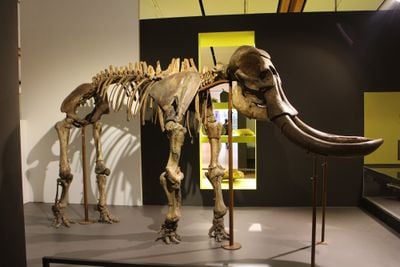
MUSE is a natural history museum in Trento, Italy, presenting scientific exhibits across multiple floors covering topics from biology and geology to paleontology through interactive stations and collections. The galleries guide visitors through different altitude levels representing alpine ecosystems and their evolution, while central halls display large specimens and fossil finds.
The museum opened its doors in July 2013, transforming the previous natural science institution into a modern center for scientific education and research. The move to the new building marked a shift in how natural sciences are communicated in the Trentino region.
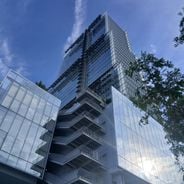
The name stands for Museo delle Scienze and the building was designed by architect Renzo Piano, whose design echoes the peaks of the surrounding mountains. Visitors find spaces where scientific research becomes visible and where school groups often conduct hands-on experiments.
The museum welcomes visitors from Tuesday to Friday between 10:00 and 18:00, with extended hours until 19:00 during weekends and holidays. The main levels are accessible and signage in multiple languages helps with orientation throughout the building.
The baleen whale skeleton hanging in the central void is the original, complete skeleton of a fin whale that stranded on the Livorno coast in 1995. The museum also runs a monitoring and environmental education centre in Tanzania's Udzungwa Mountains National Park, set up in 2006.
The community of curious travelers
AroundUs brings together thousands of curated places, local tips, and hidden gems, enriched daily by 92,835 contributors worldwide.