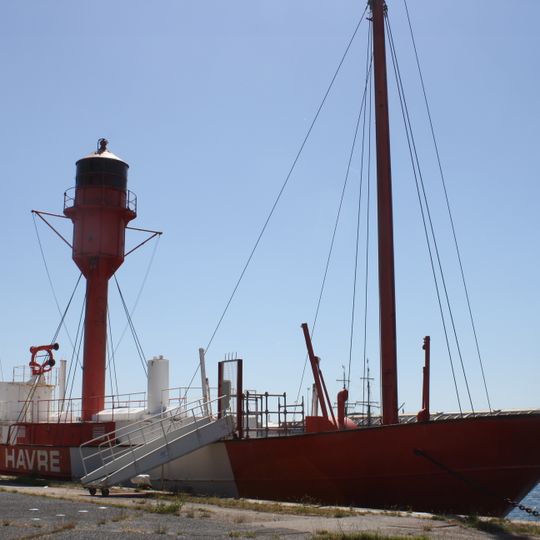
Le Havre, Port city in Normandy, France
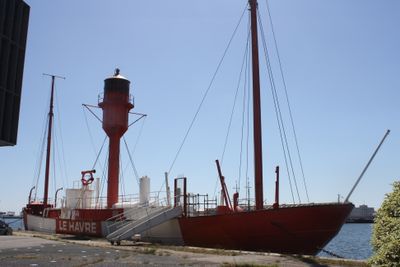
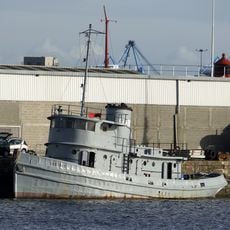
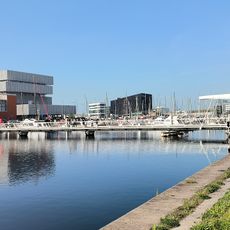
Le Havre is a port city on the Normandy coast in northern France, where the Seine river meets the English Channel. The port shapes the entire feel of the city, from the wide quays and industrial facilities to the open grid of streets that extends behind them.
Le Havre was founded in the early 16th century by order of King Francis I as a new harbour at the mouth of the Seine, and it quickly became one of France's main trading ports. During the Second World War, most of the city was destroyed, and it was then rebuilt from the ground up by the architect Auguste Perret using reinforced concrete and a completely new street plan.
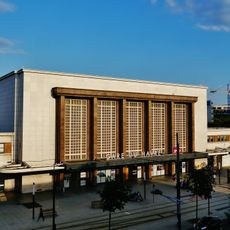
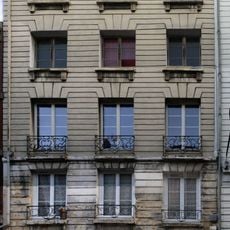
The city center was rebuilt after the war according to a single plan and has been recognized by UNESCO since 2005 as a rare example of post-war urban reconstruction. Walking through the wide streets lined with concrete buildings gives the sense of a city that was redesigned from scratch rather than patched together over time.
The flat street grid makes the city easy to explore on foot or by bicycle, and many points of interest are within walking distance of each other. The waterfront and the city center are close together, so it is easy to move between the port, the main squares, and the museums in a single day.
The city's art museum, MuMa, holds the largest collection of Impressionist paintings in France outside of Paris, with works by Monet, Renoir, and Degas among others. This connection to painting goes back to the light of the Alabaster Coast, which drew artists to this stretch of coastline long before the city became known for its concrete architecture.
The community of curious travelers
AroundUs brings together thousands of curated places, local tips, and hidden gems, enriched daily by 60,000 contributors worldwide.