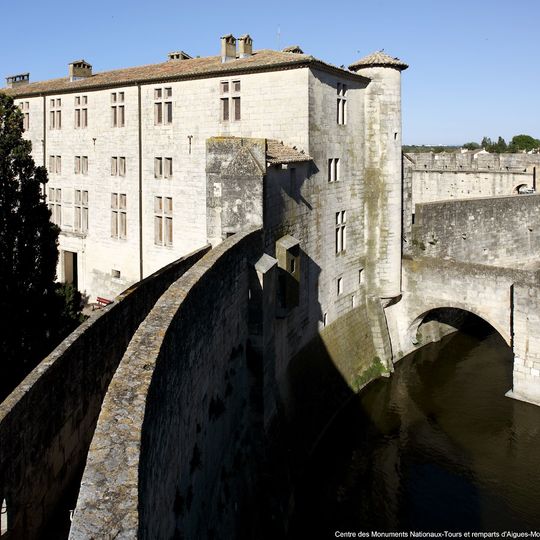
Museum of the towers and ramparts of Aigues-Mortes, City wall and museum in Aigues-Mortes, France
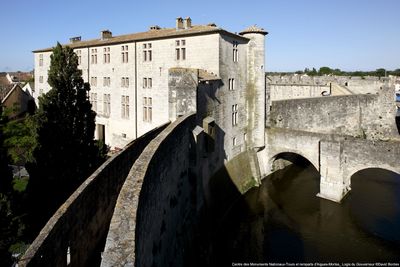
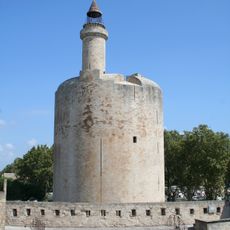
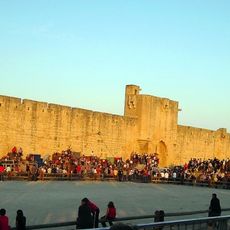
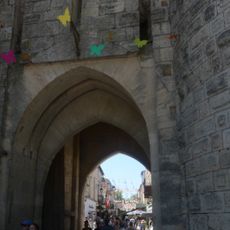
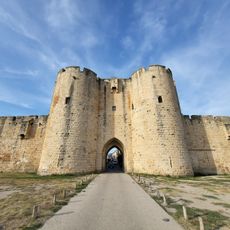
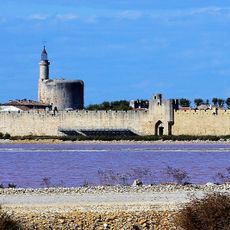
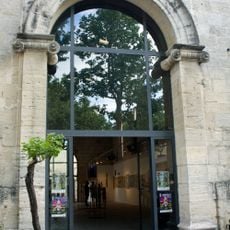
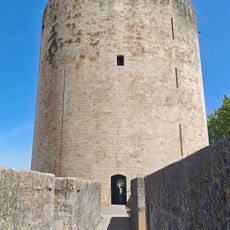
The Musée tours et remparts d'Aigues-Mortes is a museum and city wall complex set within the medieval town of Aigues-Mortes in southern France. It combines walkable ramparts made of rough stone with several towers of different shapes, including the round Tour de Constance.
The walls were built in the 13th century under King Louis IX, who chose Aigues-Mortes as his departure point for the Crusades to the Holy Land. When the sea gradually retreated, the town lost its role as a port and became a mostly landlocked settlement.
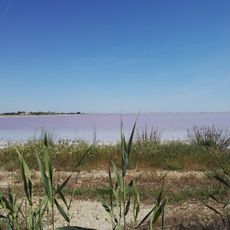
The name Aigues-Mortes comes from the Occitan for "dead waters," referring to the marshes and lagoons that once surrounded the town. From the walkways on top of the walls, visitors can still see this flat, watery landscape stretching out in every direction.
The walk along the ramparts involves uneven stone stairs, so sturdy shoes are a good idea. In summer, there is little shade on the walls, so bringing water and visiting in the early morning or late afternoon helps make the experience more comfortable.
The Tour de Constance was used in the 18th century as a prison for Huguenot women who refused to give up their faith. One of them, Marie Durand, is said to have scratched the word "Resistez" into the stone of the tower wall, and the inscription can still be seen today.
The community of curious travelers
AroundUs brings together thousands of curated places, local tips, and hidden gems, enriched daily by 91,336 contributors worldwide.