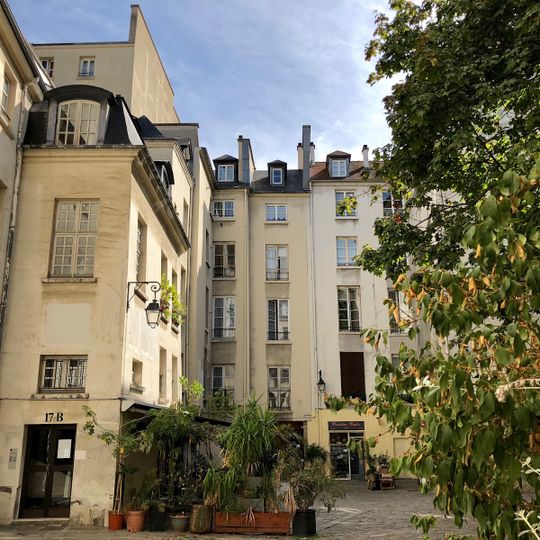
The Saint-Paul Village, Neighbourhood in the Marais, Paris, France
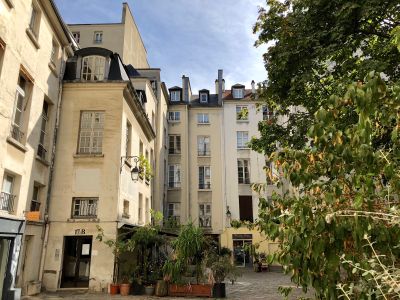
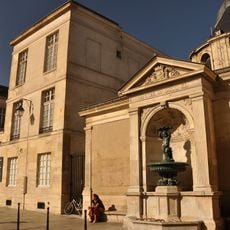
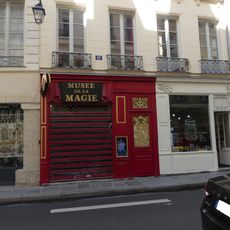
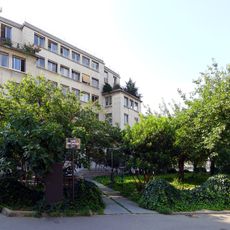
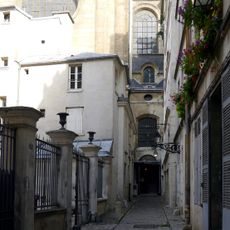
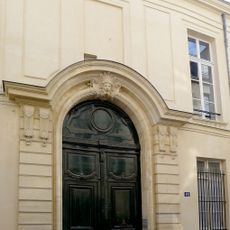
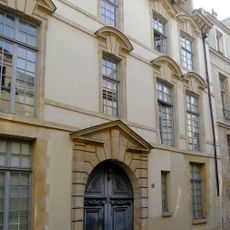
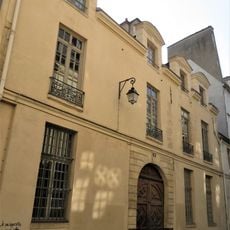
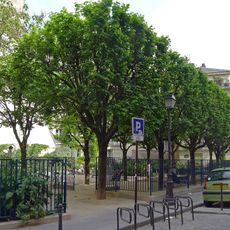
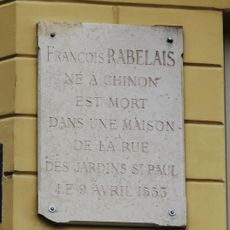
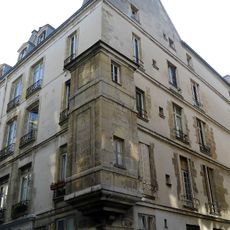
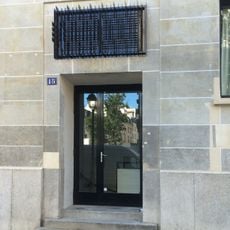
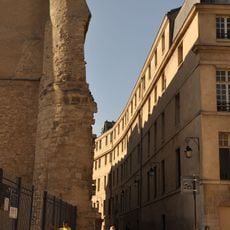
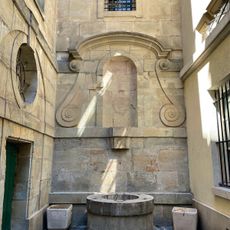
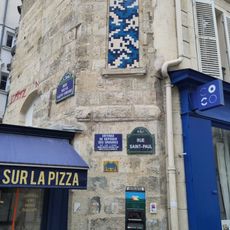
Le Village Saint-Paul is a small neighborhood in the Marais district of Paris's 4th arrondissement, made up of narrow lanes and linked inner courtyards. The buildings are old stone, and around fifty shops selling antiques, brocante, and handmade goods are spread across several interconnected courtyards accessible from Rue Saint-Paul or Rue des Jardins-Saint-Paul.
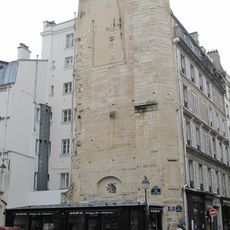
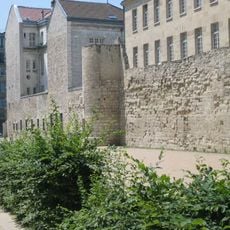
The area traces back to the 13th and 14th centuries, when a path linked the Seine to a cemetery laid out by Saint-Éloi. Later, Charles V built a royal palace nearby, surrounded by gardens, which gave the neighborhood its modest, off-axis character that still shapes the layout of its streets today.
The Rue Lions-Saint-Paul is said to take its name from the royal menagerie of Charles V, which once stood on this site. According to local tradition, it housed the first lions in Europe, giving the neighborhood a half-forgotten animal past that most visitors walk past without knowing.
The neighborhood is best explored on foot, as the passages are very narrow and not suited for anything else. The closest metro stops are Saint-Paul and Sully-Morland, both just a short walk away, making it easy to combine with a broader stroll through the Marais.
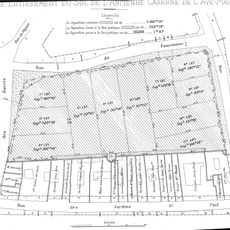
The inner courtyards of Le Village Saint-Paul sit on land that was once part of the walled gardens surrounding Charles V's palace, which means the layout of the passages today still roughly follows boundaries set in the 14th century. This makes the space one of the few places in central Paris where a medieval urban footprint is still legible in the pattern of the streets.
The community of curious travelers
AroundUs brings together thousands of curated places, local tips, and hidden gems, enriched daily by 91,429 contributors worldwide.