Jeseoksa Temple Site, Iksan, Archaeological site in Wanggunmyeon, Iksan, South Korea
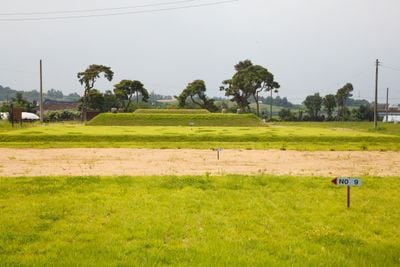
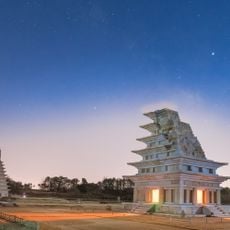
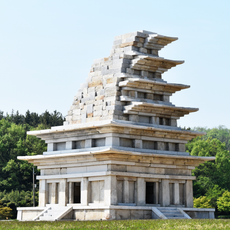
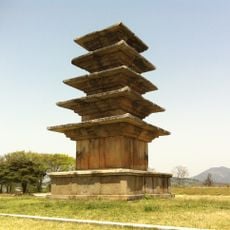
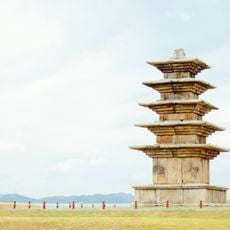
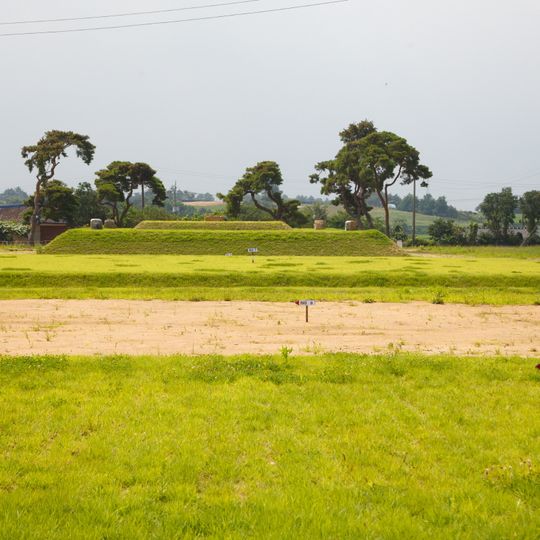
The Jeseoksa Temple Site is an archaeological site in the rural village area of Wanggunmyeon, in Iksan, South Korea. Stone foundations, fragments of roof tiles, and the outlines of former halls and a wooden pagoda base are still visible on the ground.
The temple complex was built during the Baekje Kingdom period and is linked to the reign of King Mu. In the year 639, a lightning strike destroyed the wooden structures, leaving only ruins behind.
Many roof tiles with lotus flower and scroll patterns have been found at this site, and they are typical of Baekje-style craftsmanship. They give a good sense of how carefully people decorated their buildings during that period.
The site is located in a flat, rural area that is easy to walk through at a slow pace. Visiting during dry weather is recommended, as most of the remains are in the open air.
Excavations at the site uncovered a small clay figure with fierce eyes and a large nose, made to ward off evil spirits during temple rituals. Such figures are rare finds at Baekje temple sites and shed light on the ritual practices of the period.
The community of curious travelers
AroundUs brings together thousands of curated places, local tips, and hidden gems, enriched daily by 60,000 contributors worldwide.