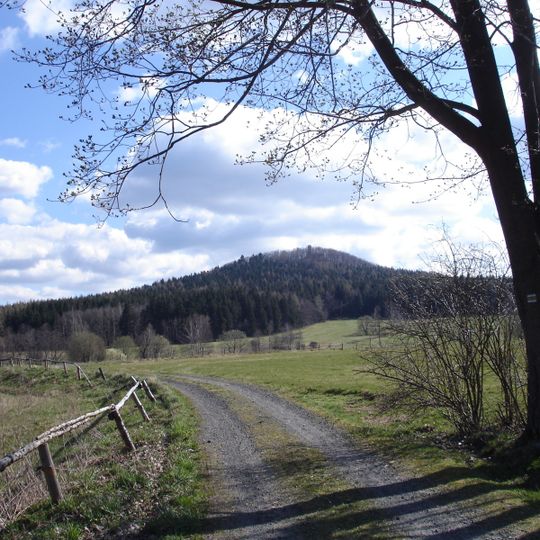
Lusatian Highlands, Mountain range in eastern Saxony, Germany.
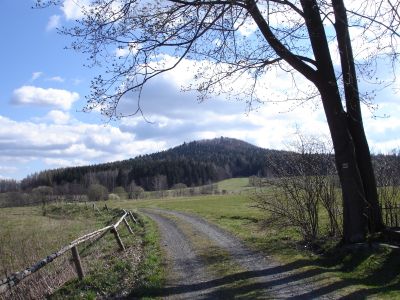
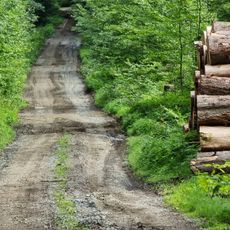
The Lusatian Highlands stretch across eastern Lusatia as a gently rolling landscape with granite rock formations and varied elevation. The terrain alternates between forested slopes and open areas, creating a layered geography that transitions between river valleys and rounded ridges.
The region served as a borderland between different powers and was controlled by Polish, Bohemian, and Saxon rulers during medieval and early modern times. This shifting authority shaped the cultural and linguistic diversity that the area preserves today.
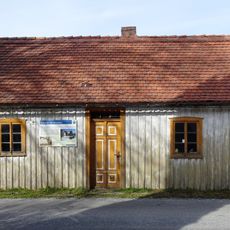
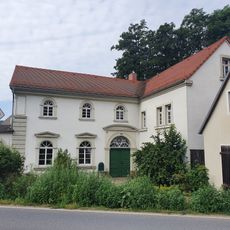
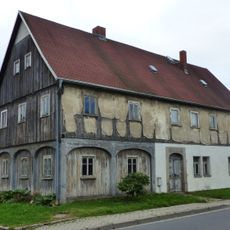
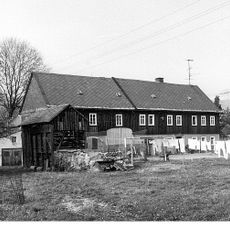
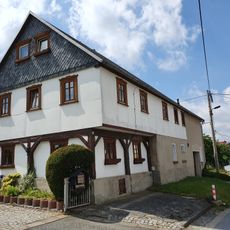
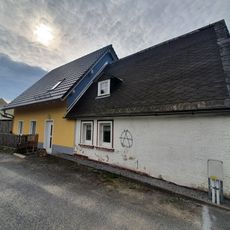
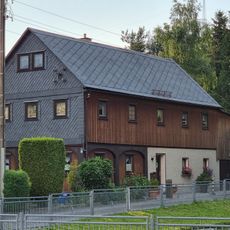
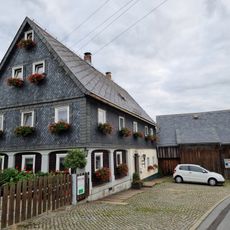
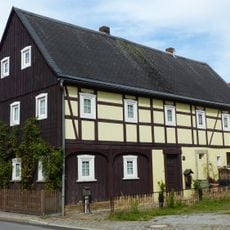
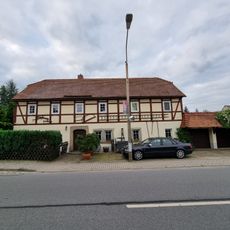
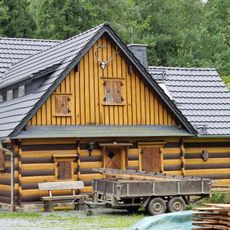
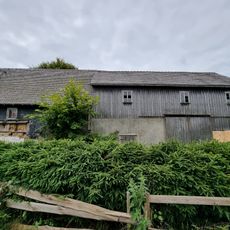
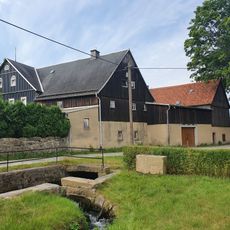
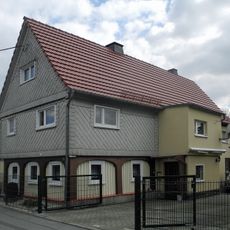
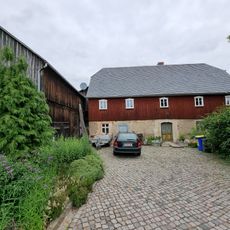
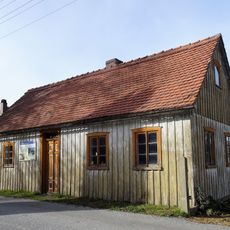
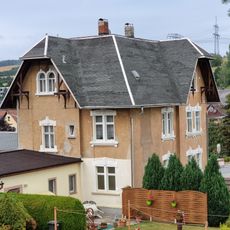
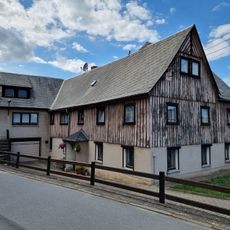
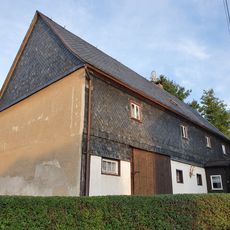
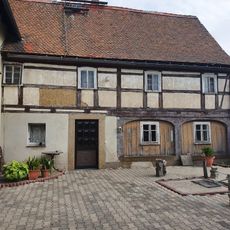
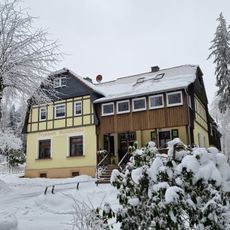
The region displays traditional half-timbered houses with characteristic timber framing and clay construction that shape the appearance of many towns. This building style reflects craft techniques passed down through generations and continues to define how settlements look today.
The region features a well-developed network of hiking trails connecting towns like Schirgiswalde, Šluknov, and Rumburk for visitors of different abilities. Marked paths make navigation straightforward, allowing travelers to choose routes that match their experience level and available time.
The granite formations of this area are the source of the River Spree, a major river that flows through Berlin and Brandenburg. This hidden origin shows how a small mountain region supplies water to a large urban area.
The community of curious travelers
AroundUs brings together thousands of curated places, local tips, and hidden gems, enriched daily by 90,758 contributors worldwide.