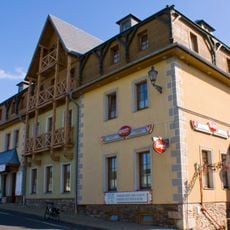
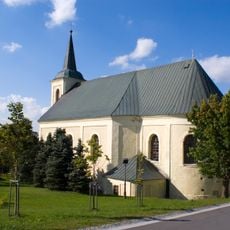
Blatenský vodní příkop, Historic water channel in Horní Blatná, Czech Republic
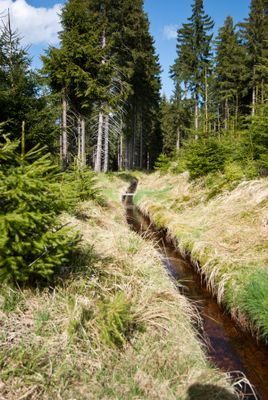
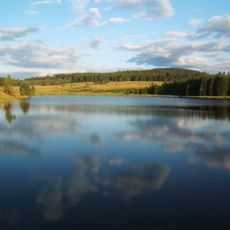
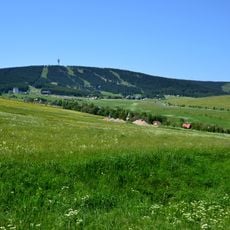
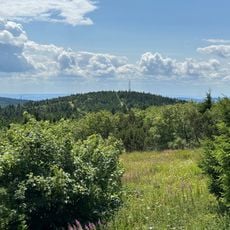
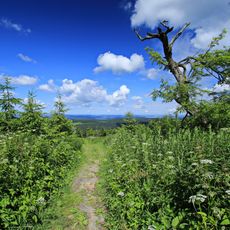
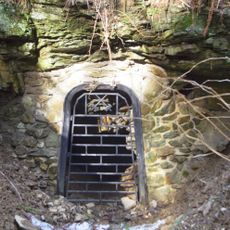
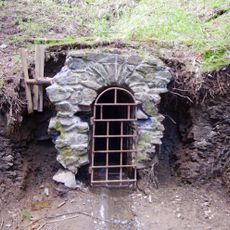
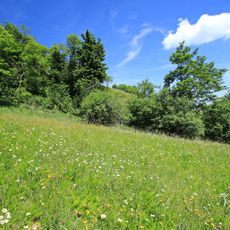
Blatenský vodní příkop is an artificial water channel carved through the rolling terrain of the Krušné Mountains to connect mining districts with water sources. The structure consists of carefully engineered canal beds and embankments that guide water across the landscape while maintaining consistent slope.
Engineer Stephan Lenk built the channel between 1540 and 1544 to supply water power for tin mining throughout the surrounding region. This 16th-century construction proved to be a pivotal advancement that powered the area's economic prosperity.
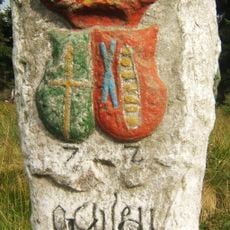
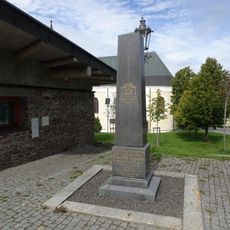
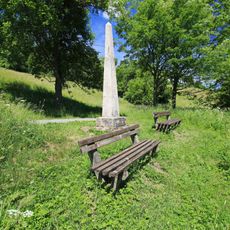
The channel's name Erbwassergraben, or Hereditary Water Ditch, comes from Emperor Maximilian II's 1570 decree granting Horní Blatná the perpetual right to collect water fees. Boundary stones marked with the letter E still stand along its banks, some dating from around 1800.
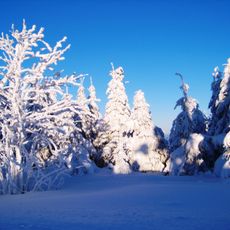
An 11.5 km educational trail with 23 information boards runs along the channel, starting about 1.5 km west of Boží Dar and joining the Vlčí jámy trail above Horní Blatná. The channel drops only 32 m over its length, so the walk is gentle; in winter, sections were traditionally covered with spruce branches against snow.
The channel's gradient of one metre per hundred metres is not its only trace in the landscape: boundary stones marked with the letter E, the initial of Erbwassergraben, still stand along both banks, some dating from around 1800. They marked the plots belonging to the channel.
The community of curious travelers
AroundUs brings together thousands of curated places, local tips, and hidden gems, enriched daily by 94,498 contributors worldwide.