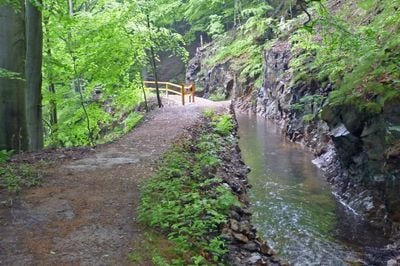
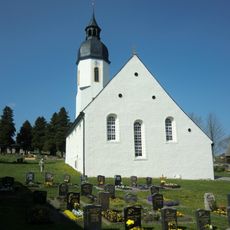
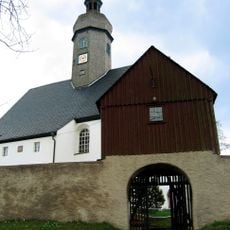
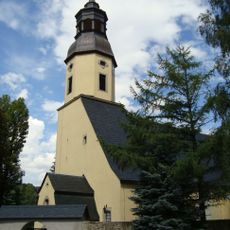
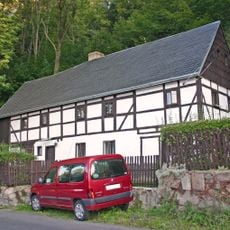
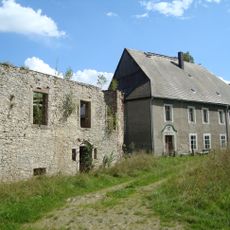
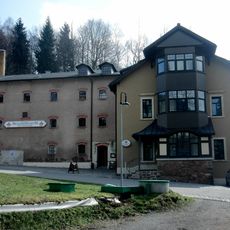
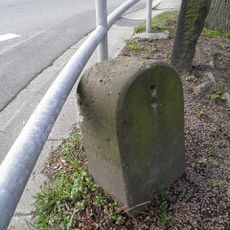
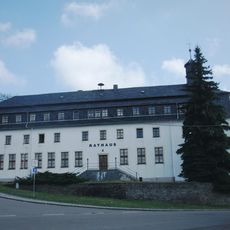
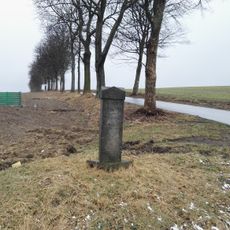
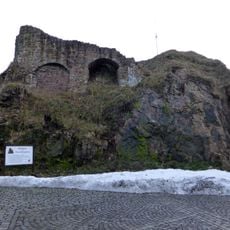
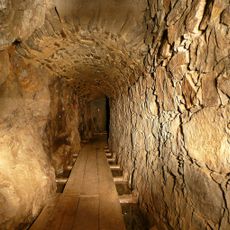
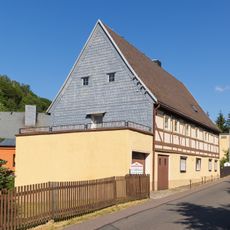
Neugrabenflöße, Log driving canal in Most District, Czech Republic.
Neugrabenflöße is a water channel system that stretches across the Czech-German border, built specifically to transport timber from forested mountain regions. The canal network includes channels, locks, and water control structures that moved felled logs downstream to processing facilities.
The canal system developed during the peak of regional timber production and served for centuries as the main way to move wood from mountain forests. Operations reached their height in the 1800s before railroads and modern transport gradually replaced this method.
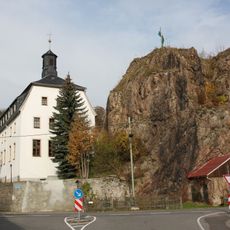
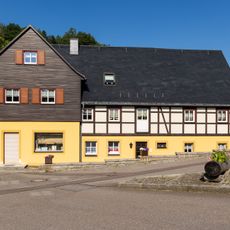
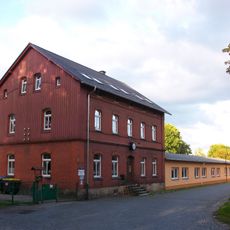
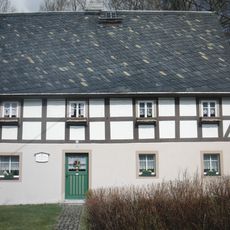
The canal's German name, Neugrabenflöße ("new ditch flume"), distinguished it from older flumes on the Saxon side such as the Marienberg (1556) and Annaberg (1564–1566) channels. The Floßamt, the office managing the timber flume, was based in Georgenthal, and a Floßhaus stood at Betteleck. Logs were stacked on meadows beside the channel over winter and floated in spring.
You can enter the canal system at several points along the route and explore different sections on foot. Signs in Czech and German help you find your way, and spring through fall offers the easiest access when paths are dry and well-marked.
The canal was not navigable most of the year; log driving ran mainly in spring when meltwater filled it, and a run took only 8 to 14 days. Afterwards the channel was cleaned and any damage repaired. It was fed by the Flájský potok and by ponds on both sides of the border.
The community of curious travelers
AroundUs brings together thousands of curated places, local tips, and hidden gems, enriched daily by 94,257 contributors worldwide.