Moravian Wallachia, Ethnographic region in eastern Moravia, Czech Republic
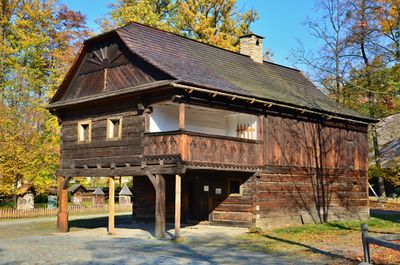
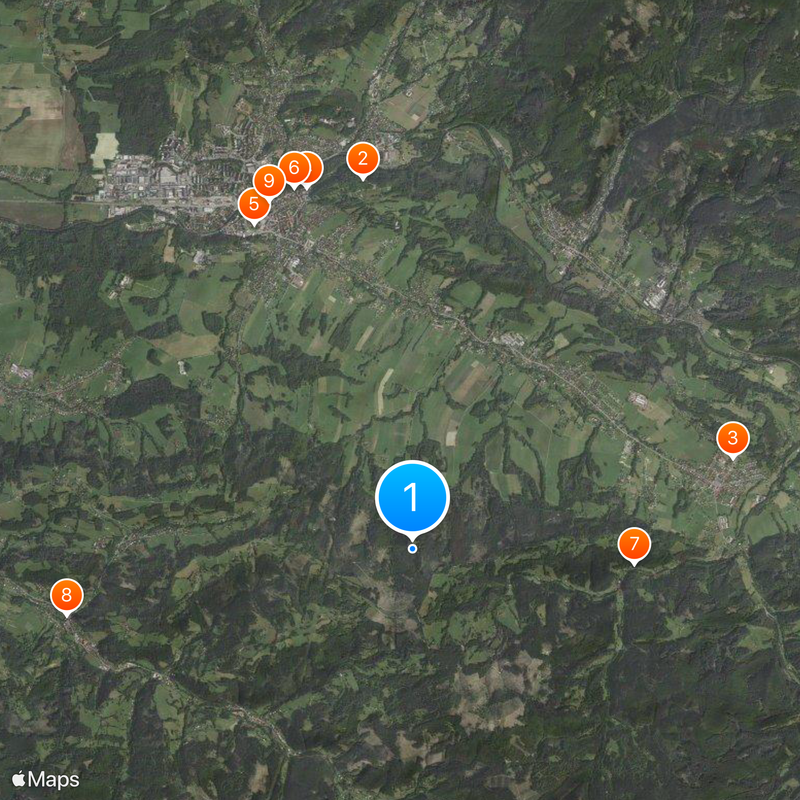
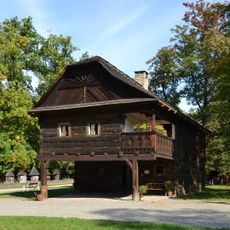
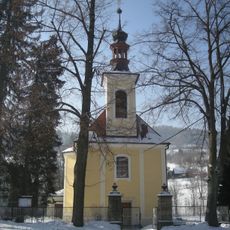
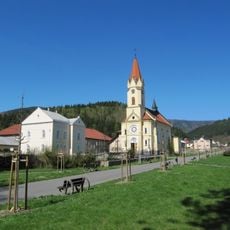
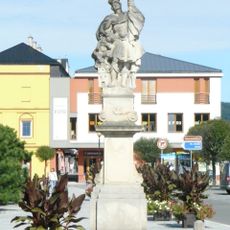
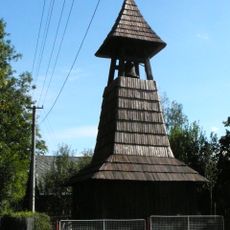
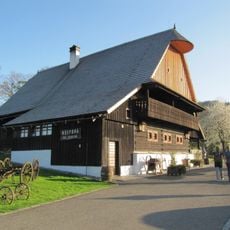
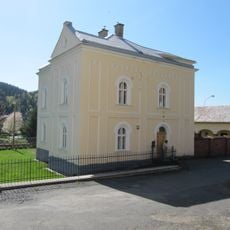
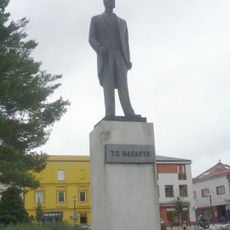
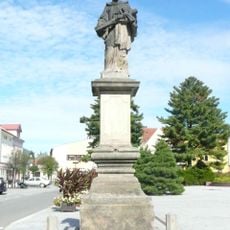
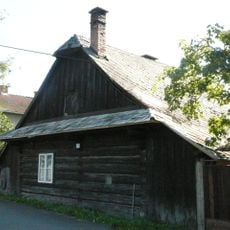
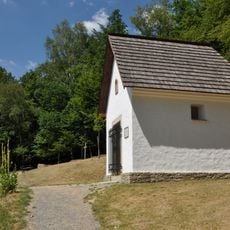
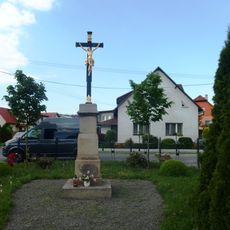
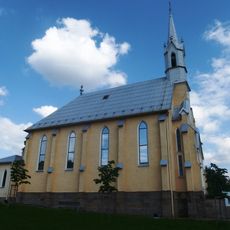
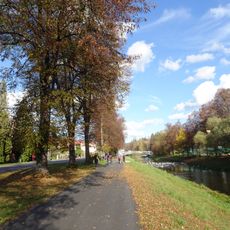
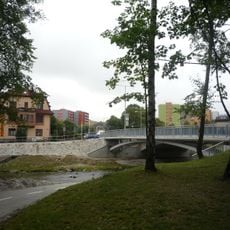
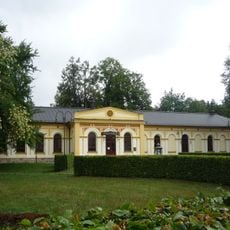
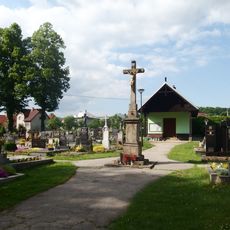
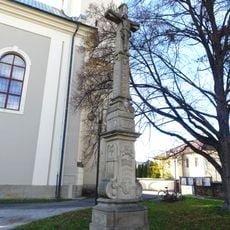
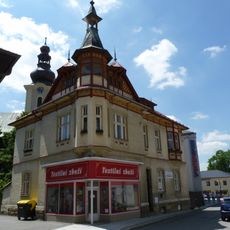
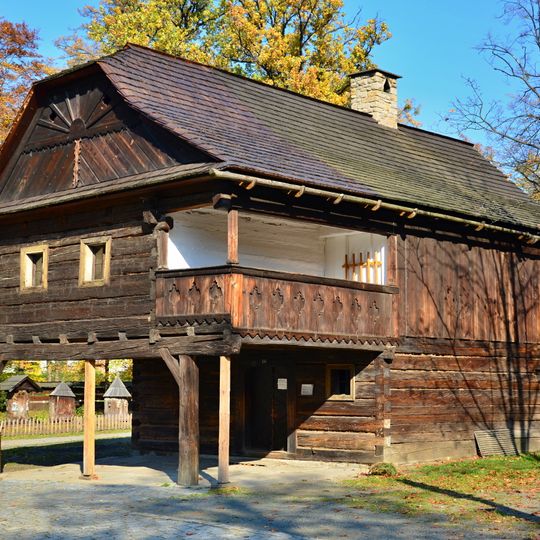
Moravian Wallachia is an ethnographic region in eastern Moravia that spans mountainous terrain dotted with small towns and pastoral settlements. The landscape features rolling hills, forests, and villages where traditional architecture and shepherding traditions shape the everyday character of the land.
Romanian-speaking Orthodox Christians from Transylvania migrated to this area between the 13th and 18th centuries and settled in the Carpathian foothills. Their arrival led to the founding of pastoral communities whose traditions became deeply rooted in the region's cultural identity.
The local language blends Czech and Slovak with Romanian words from shepherding traditions, showing how people from different backgrounds once lived side by side. You can still hear these mixed words in everyday conversations and in songs passed down through families.
The region is best explored on foot or by car, as villages are spread through valleys and hills with winding roads. Sturdy footwear is recommended, and weather conditions should be checked, especially during the colder months.
During winter festivities, locals perform masked processions featuring figures from folklore and mythology that walk through villages before Christmas. These traditions blend Christian and older pagan elements that remain alive in the region today.
The community of curious travelers
AroundUs brings together thousands of curated places, local tips, and hidden gems, enriched daily by 60,000 contributors worldwide.