Dolní Věstonice, Upper Paleolithic archaeological site in South Moravia, Czech Republic.
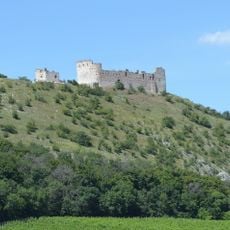
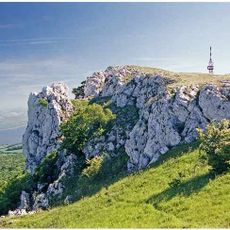
Dolní Věstonice is an archaeological site at the base of Mount Děvín in South Moravia that includes several excavation zones with remains of prehistoric settlements. The site preserves hearths, tools, and objects from a time when mammoths roamed the region.
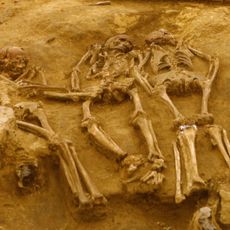
Karel Absolon began systematic excavations in 1924 that revealed traces of human settlement from around 26,000 years ago. Work continued over the decades and brought new insights into life during the Ice Age.
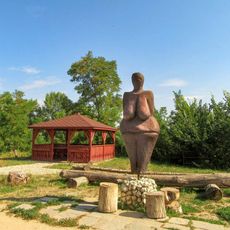
Excavations brought to light many clay figurines depicting both people and animals from a time when hunters used handwoven nets to catch prey. These objects show the ability of the inhabitants to fire clay and shape small sculptures.
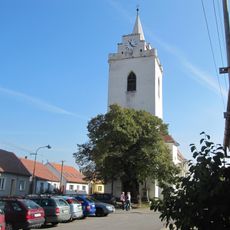
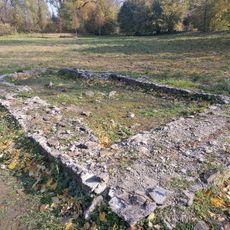
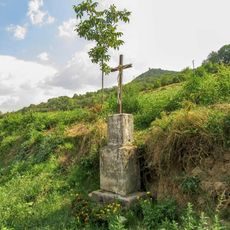
The excavation areas lie in open country below the mountain and are reachable by paths from the village. Visitors should note that the finds themselves are kept in museums and only the archaeological zones are visible on site.
Researchers found preserved imprints of net structures in the clay floors, proving that inhabitants not only hunted large game but also caught smaller animals with nets. This discovery shows advanced hunting techniques from a very early phase of human history.
The community of curious travelers
AroundUs brings together thousands of curated places, local tips, and hidden gems, enriched daily by 91,443 contributors worldwide.