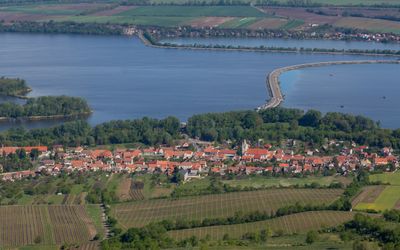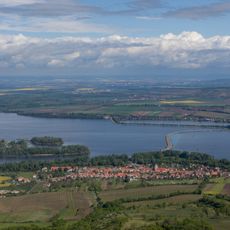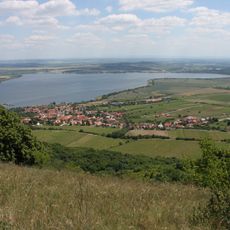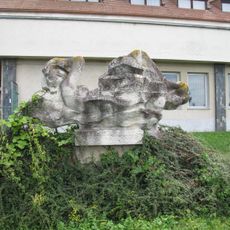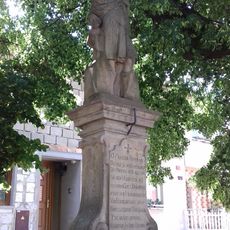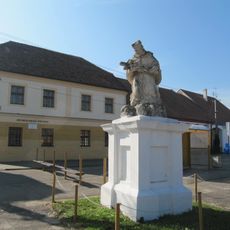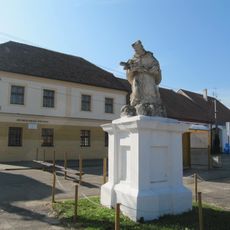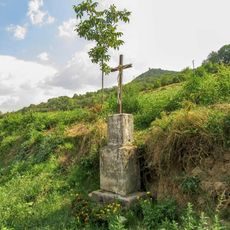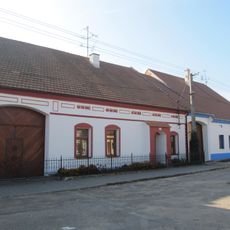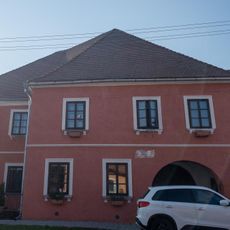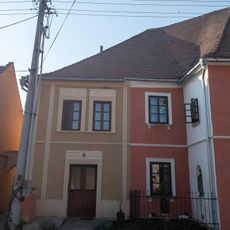
Dolní Věstonice, Archaeological site and municipality in South Moravian Region, Czech Republic.
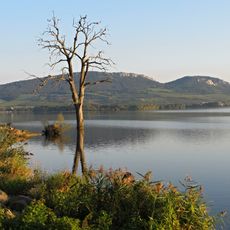
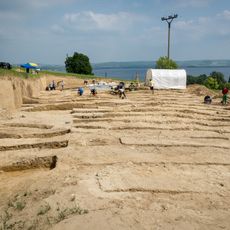
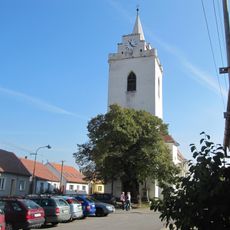
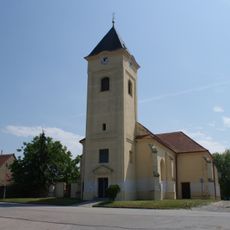
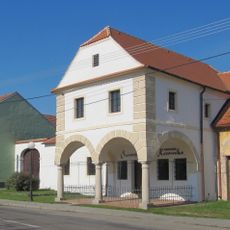
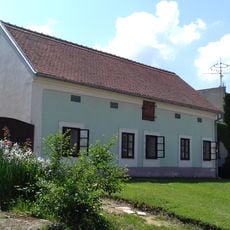
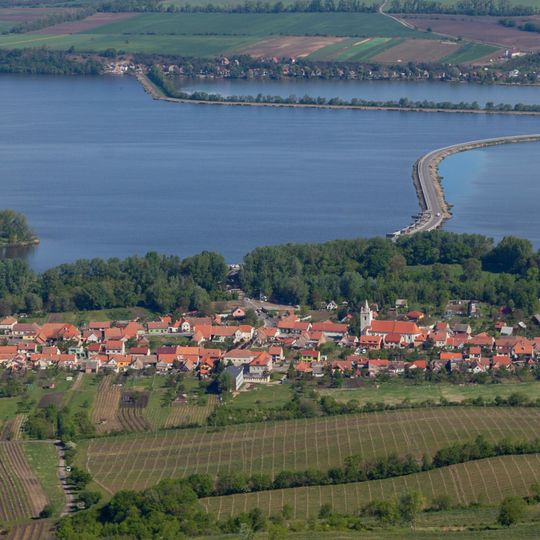
Dolní Věstonice is a small municipality at the base of Mount Děvín in South Moravia, spreading across several square kilometers. The village contains numerous excavation sites where archaeologists have been uncovering prehistoric remains for decades.
Archaeologists began systematic excavations in this area during the 1920s and uncovered thousands of ceramic pieces. The findings date back approximately 26,000 years, showing evidence of human settlement during the last Ice Age.
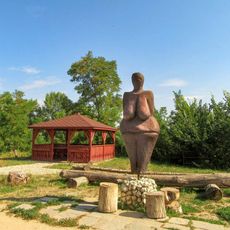
The place is known for the Venus of Dolní Věstonice, one of the oldest known clay figurines discovered by archaeologists. This sculpture shows that people at this time already possessed artistic skills and spiritual beliefs.
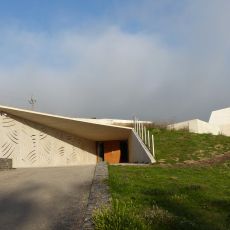
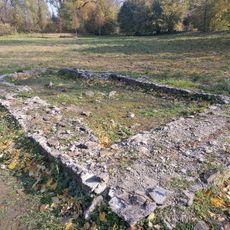
The place is easy to visit, offering access to several excavation sites that are open to the public outdoors. Visitors can observe archaeological work and understand how scientists gather information about the past.
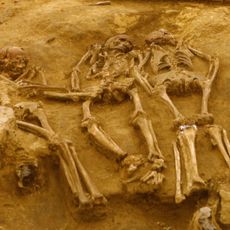
At one site, researchers discovered the remains of three males who were related to each other and buried together. Mammoth bones and ceremonial objects lay beside them, indicating the burial was approximately 28,000 years old.
The community of curious travelers
AroundUs brings together thousands of curated places, local tips, and hidden gems, enriched daily by 91,380 contributors worldwide.