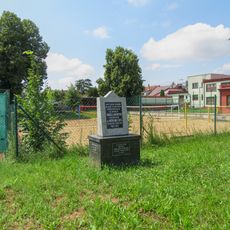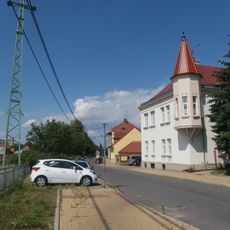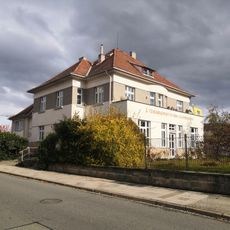
Památník Velké Moravy, Archaeological museum in Staré Město, Czech Republic
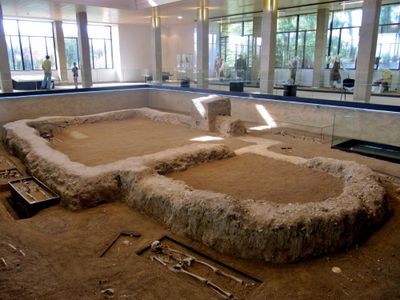
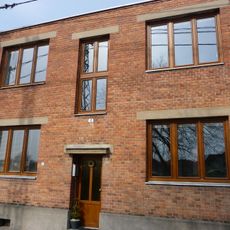
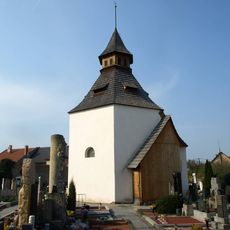
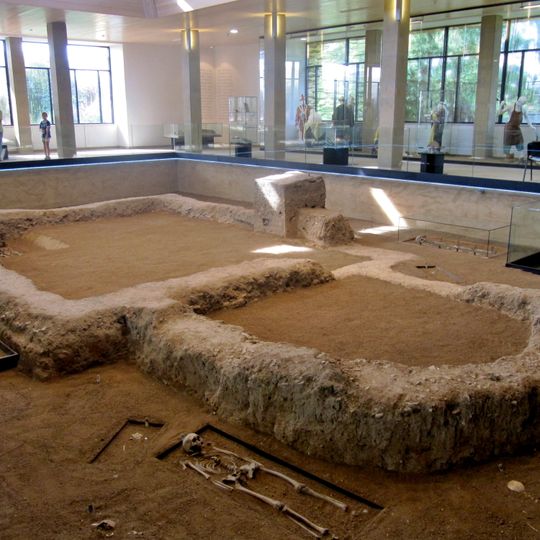
Památník Velké Moravy is a museum built above the foundations of a 9th-century church and displays archaeological finds from that period. The collection includes pottery, metal objects, bone fragments, and reconstructed items that illustrate how people lived during this era.
The first excavations took place in 1887 and 1889, but a sand pit opened in 1897 destroyed dozens of graves each year, then taken for Thirty Years' War remains. After a gold earring was found in 1924, Antonín Zelnitius led rescue work from 1928; Vilém Hrubý resumed digging in 1948 and in 1949 uncovered the foundations of a hall church with a horseshoe apse, the first proven Great Moravian architecture in the country.
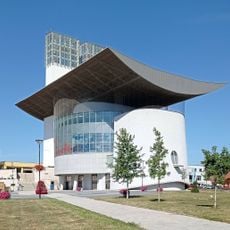
The site's name links it to Great Moravia, and the memorial opened in 1961 with the exhibition "Veligrad – Staré Město". Vilém Hrubý, who led the excavations from 1948, later designed the 1985 exhibition "Velkomoravské Staré Město" for the 1,100th anniversary of the death of Archbishop Methodius.
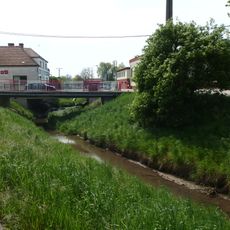
The memorial stands on the Na Valách slope above Jezuitská street, within the area bounded by Velkomoravská, Na Hradbách and Antonína Zelnitiuse streets. The building was closed in 1964 after technical problems and only reopened in 1966, so check current opening before travelling.
The building stands on the spot where, in 1949, Vilém Hrubý uncovered the filled foundation trenches of a hall church with a horseshoe apse — the first architecture of the Great Moravian period proven in Czech territory. A provisional wooden shelter went up over the foundations before the memorial itself was built in 1959–1960.
The community of curious travelers
AroundUs brings together thousands of curated places, local tips, and hidden gems, enriched daily by 93,451 contributors worldwide.