Kukla Mine, Coal mine and cultural monument in Oslavany, Czech Republic.
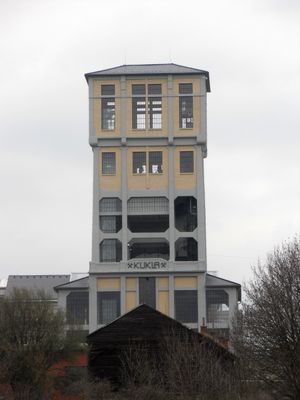
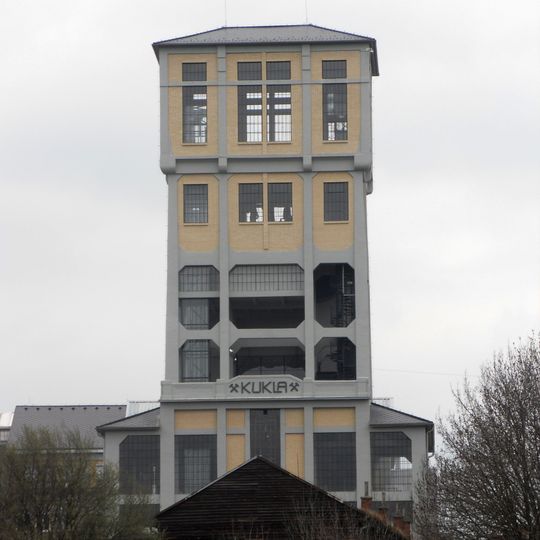
Kukla Mine is an underground black-coal mine in Oslavany, Czech Republic, active from 1865 to 1973. Its 41-metre reinforced-concrete headframe, built in 1911–1913, houses a Koepe winding machine in its upper section, the first such installation in what is now the Czech Republic. The shaft reached a maximum depth of 903 metres.
The Nová shaft was sunk in 1861 and finished in 1865; renamed Kukla, it served the Františka mine at Padochov as a ventilation, drainage and secondary hoisting shaft. Rebuilt in 1911–1913 as the central shaft of the Oslavany part of the coalfield, it was renamed Václav Nosek in 1947. Output peaked in the early 1960s, with 386,638 t mined in 1963 by 1,058 employees; the last coal came from the 11th level at 881 m on 31 August 1973.
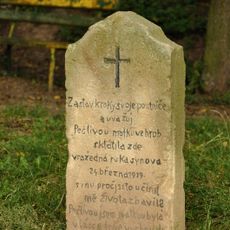
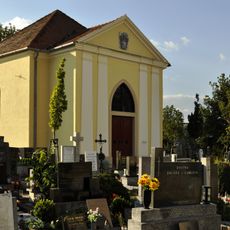
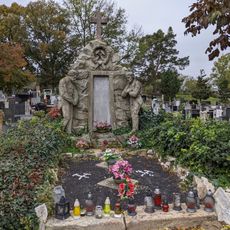
The mine is remembered for the 1921 gas explosion that killed 26 miners, whose memorial stands in the Oslavany cemetery. During the German occupation a Jewish labour camp operated in the grounds from 1941 to the end of the war, and the writer Mirek Elpl worked here as a mining engineer.
Visitors can explore the site through guided tours that provide insight into extraction techniques and the machinery. It is advisable to wear comfortable shoes and prepare for uneven ground and steps.
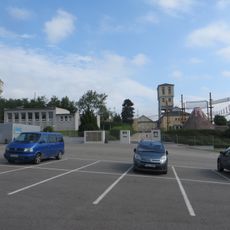
The 41-metre reinforced-concrete winding tower, built in 1911–1913, housed a Koepe electric winding machine in its top section, making Kukla the first mine in what is now the Czech Republic to have the machine built into the tower. The tower was declared a cultural monument in 2009, restored in 2010–2011 and opened to the public on 1 May 2012.
The community of curious travelers
AroundUs brings together thousands of curated places, local tips, and hidden gems, enriched daily by 92,533 contributors worldwide.