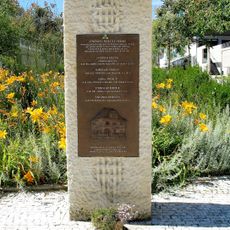
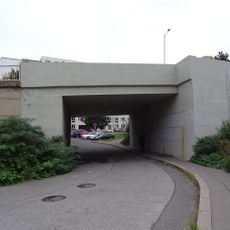
Hemrovy skály, Rock formation in Jinonice, Prague, Czech Republic
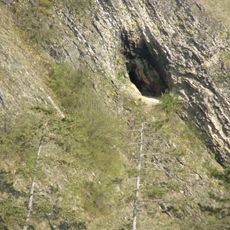
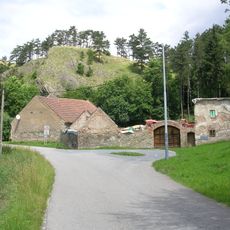
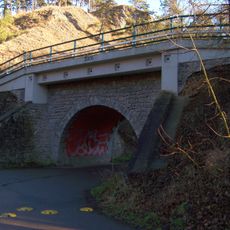
Hemrovy skály is a roughly 100-metre-long, jagged rock massif of dark Silurian volcanic rock in Jinonice, running from the Butovice plateau to the road below Nová Ves. It is only the southern slope of an underwater volcano that stood some 200 to 300 metres above the seabed about 430 million years ago. Novoveská street curves around its northern and western foot.
The rock formation emerged roughly 423 million years ago from volcanic activity beneath ancient seas, when lava erupted and cooled rapidly in seawater. This process created the hard rocks visible today and left geological traces from that distant time period.
The rock formation attracts visitors who come to walk the natural trails and observe the contrasting plant zones on its slopes. The exposed cliffs and steep terrain create an unusual natural space near the city where geology and vegetation are clearly visible.
Visitors can explore the formation by following marked trails but must stay on designated paths and bicycles are not allowed. The trails are natural and sometimes uneven, so wear suitable footwear and take care on wet ground.
The critically endangered fungus Geastrum pouzarii, Pouzar's earthstar, has been recorded at Hemrovy skály, one of the site's notable finds. The south-facing rock surfaces also support the rare, strongly threatened Allium strictum, a glacial relict tied to the diabase mineral subsoil.
The community of curious travelers
AroundUs brings together thousands of curated places, local tips, and hidden gems, enriched daily by 94,103 contributors worldwide.