Nation Ford Road
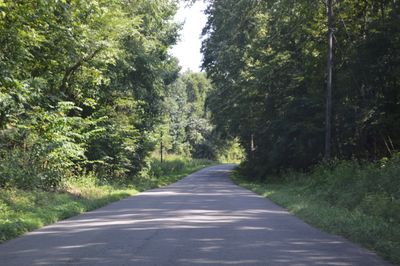
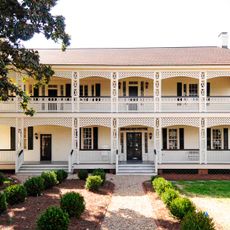
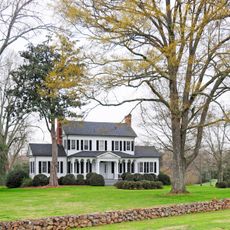
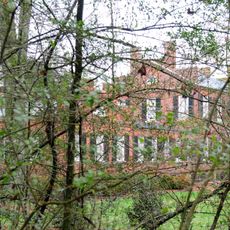
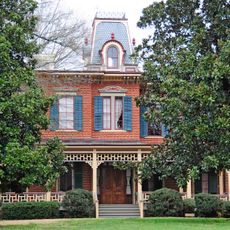
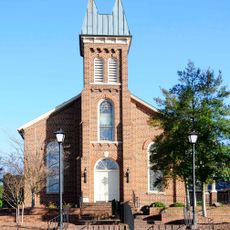
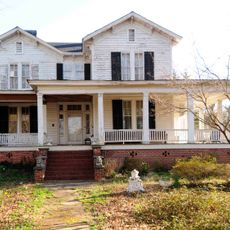
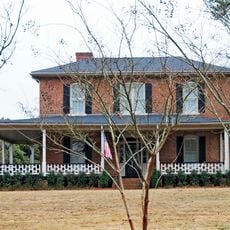
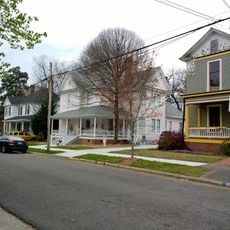
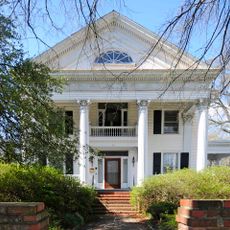
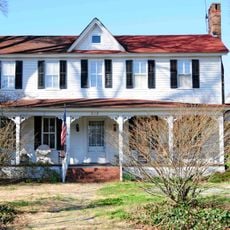
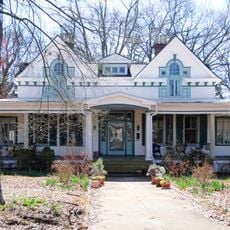
Nation Ford Road is a historic route in York County, South Carolina, listed on the National Register of Historic Places since 2007. The road crossed the Catawba River at a reliable ford and extended from Virginia through the Piedmont region, with surviving segments visible near historic homes such as the William Elliott White House and Springfield Plantation House.
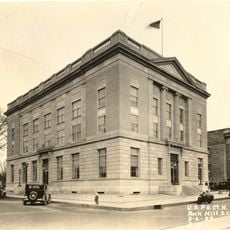
The route was used by Catawba Indians and other tribes long before European settlement, later becoming known as the Occaneechi Path and Indian Road. European traders began using it for commerce around 1650, and its course influenced where settlements grew in Rock Hill and Fort Mill, eventually guiding the development of railroads and modern highways like Interstate 77.
The name Nation Ford Road comes from the river crossing where Catawba Indians and early European traders could safely traverse the Catawba River. Segments of the route remain visible in the landscape today, marking where communities chose to settle and grow.
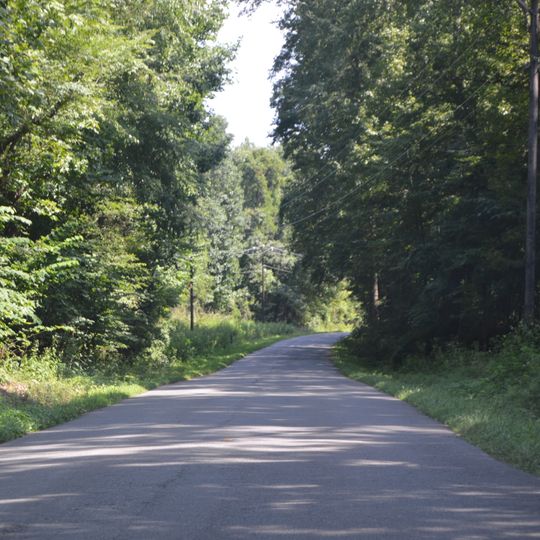
Many sections of the original road are no longer clearly visible today, though some segments can be explored near historic homes and in local parks or greenways. Keep in mind that much of the historic site lies on private property and is not always open to visitors.
Though mostly invisible today, railroad lines in the early 20th century followed the course of this ancient road, and Interstate 77 was later built over portions of its original route. This reveals how a path used for centuries by travelers shaped the region's infrastructure for generations to come.
The community of curious travelers
AroundUs brings together thousands of curated places, local tips, and hidden gems, enriched daily by 90,793 contributors worldwide.