Magruder Plots, human settlement in United States of America
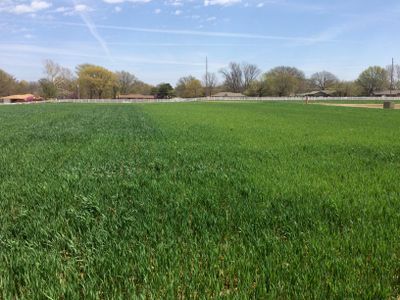
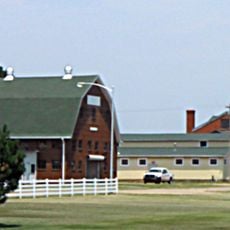
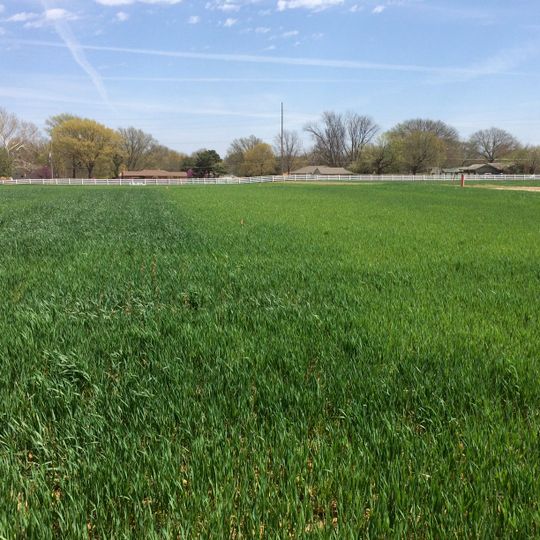
The Magruder Plots are an experimental field area in Stillwater, Oklahoma, used for wheat research since the late 1800s. The land is divided into smaller parcels with different soil treatments and fertilizer applications studied systematically to understand their effects on crop yield and soil health.
The first Magruder Plots were established in 1892 by A.C. Magruder, the first agricultural professor at Oklahoma A&M College, making them one of the oldest field trial sites in the United States. In the 1930s, the experimental area was expanded and restructured to compare different fertilizer and soil treatment options.
The Magruder Plots are named after A.C. Magruder, the first agricultural researcher at the station who encouraged local farmers to visit and learn from his experiments. This connection between scientific research and practical farming has shaped how the community views innovation and tradition in agriculture to this day.
The site is located west of the Stillwater campus along Highway 51 and is easy to locate, but access is limited because ongoing research restricts public visits. During annual field days in May, interested visitors can observe the work and learn about current findings from researchers on site.
The original soil from some experimental parcels was relocated to a nearby site in the 1940s and replanted to preserve the long-term research continuity when the old area was needed for new buildings. This remarkable relocation shows researchers' commitment to maintaining consistent data collection across more than a century.
The community of curious travelers
AroundUs brings together thousands of curated places, local tips, and hidden gems, enriched daily by 91,305 contributors worldwide.