Yamhill River lock and dam, Lock and dam remains in Yamhill County, Oregon, United States
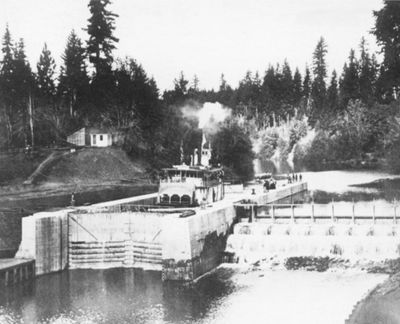
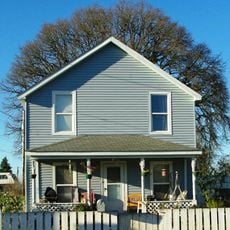
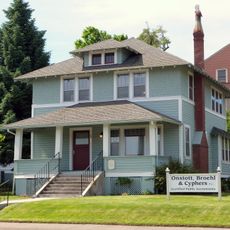
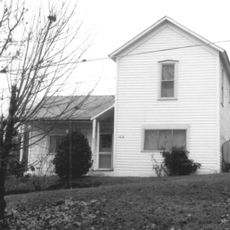
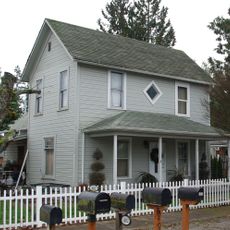
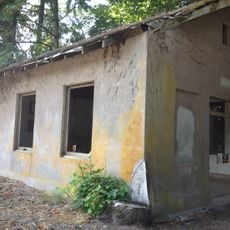
The Yamhill River lock and dam, completed in 1900, comprises a single-lift lock chamber 210 feet long and 40 feet wide on the west side of the river, with a dam extending from the east bank to the lock's eastern wall. The lock walls remain; the dam was destroyed with explosives. The lock keeper's residence, now private, also stands.
Completed in 1900 near Lafayette, the lock was built despite the Corps of Engineers advising against it, after nearly forty years of lobbying by local backers. It served steamboats on the Yamhill between Dayton and McMinnville, but use was never heavy; traffic rose in the 1930s–40s for logs, and operations ended in the 1950s when the government deemed the traffic too light. The dam was later destroyed; the lock walls and keeper's house remain.
The lock reflects the importance of river commerce for farmers who once shipped their goods downriver to larger markets. It shows how engineering solutions were directly tied to the economic life of rural communities in that era.
The lock walls stand about a mile downriver from Lafayette and roughly five miles upriver from where the Yamhill meets the Willamette. The structure is viewed from Lafayette Locks Park, maintained by Yamhill County; the dam itself was destroyed, so only the walls and some pilings remain. Pilings show at low water. The lock keeper's residence is privately owned and not open to visitors.
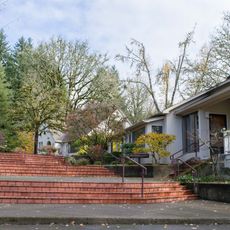
The lock was one of only three lock and dam projects the U.S. government began in Oregon, and in all the Pacific Coast states, during the 19th century. It is also cited as one of the last tangible remnants in the Upper Willamette Valley of an era when river navigation carried freight and passengers. The lock keeper's residence, built at the same time, still stands in private hands.
The community of curious travelers
AroundUs brings together thousands of curated places, local tips, and hidden gems, enriched daily by 93,413 contributors worldwide.