St. Mary of Blachernae Church, Berat, Byzantine church in Berat Castle, Albania
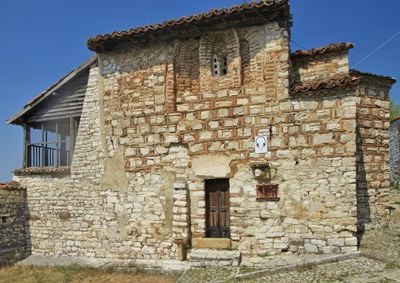
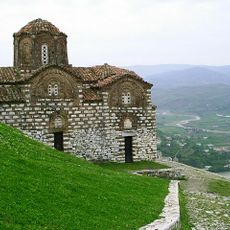
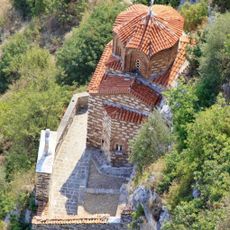
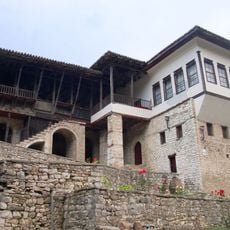
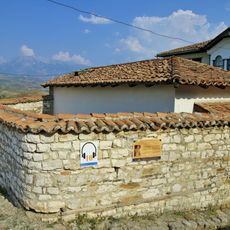
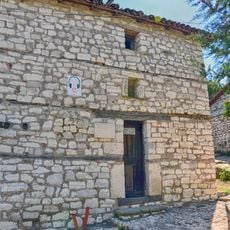
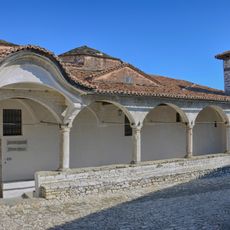
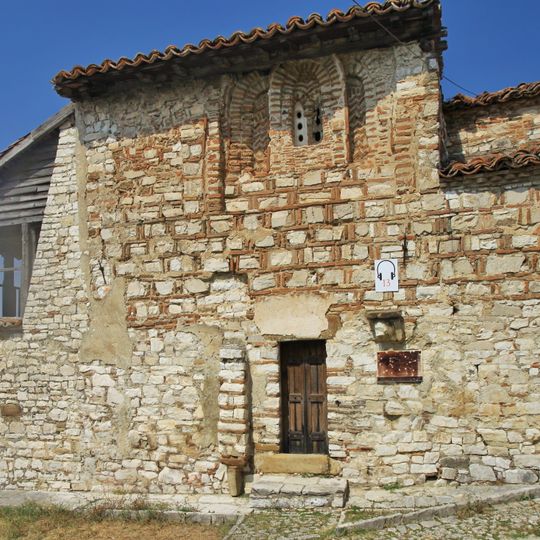
St. Mary of Blachernae Church stands inside the walls of Berat Castle, on the old town hill. It is a cross-in-square building of stone framed with brick, the clausonage technique used in southern Albanian Byzantine churches between the 12th and 15th centuries, and it has a rectangular narthex. Mosaic flooring survives inside.
The church stands on the site of a ruined 4th–5th century monastery, and its original stone building was destroyed by an earthquake. It was rebuilt in the 16th century using the cloisonné technique, stones framed by bricks, on a cross-in-square plan typical of 12th–15th century Byzantine churches in southern Albania. In 1578 the master Nikola, son of Onufri, painted its frescoes. After 1967 the state confiscated it and it deteriorated for over 30 years before restoration by the Albanian Orthodox Church.
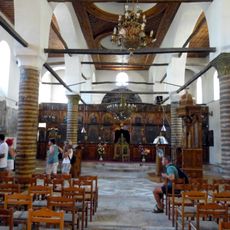
The interior walls display frescoes and religious artworks from the 16th century, created by Nicholas Onufri as a continuation of his father's artistic legacy. These works shape the visual character of the space and show how religious art was valued in this mountain settlement.
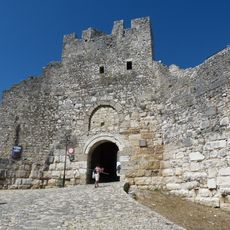
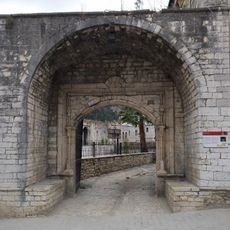
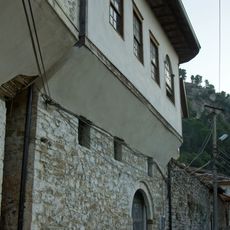
The church sits within the fortified castle grounds, so visitors should expect steep paths and narrow passageways. Comfortable shoes are useful for exploring both the church and surrounding castle area, and it is helpful to allow time for walking through tight streets.
The church takes its name from the original Church of St. Mary of Blachernae in Constantinople, creating a direct link between Albanian and Byzantine religious worlds. This choice of name shows how communities here expressed their identity by honoring distant spiritual centers.
The community of curious travelers
AroundUs brings together thousands of curated places, local tips, and hidden gems, enriched daily by 92,785 contributors worldwide.