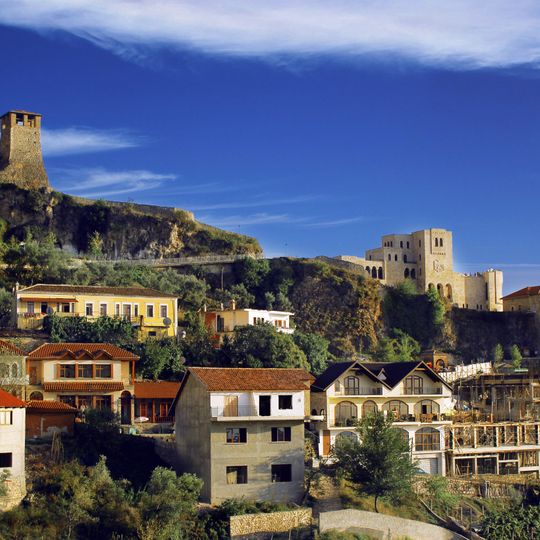
Krujë Fortress, Medieval fortress in Krujë, Albania
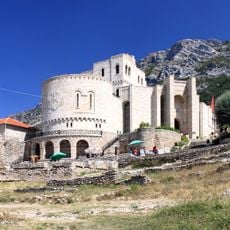
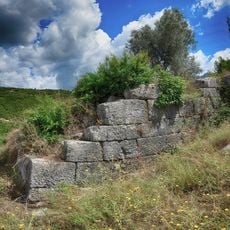
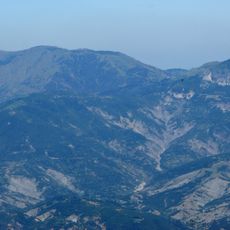
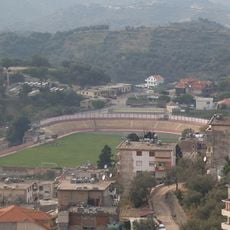
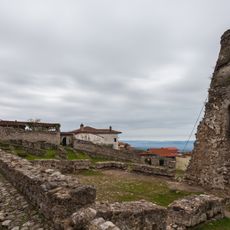
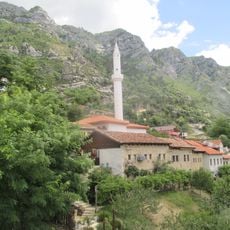
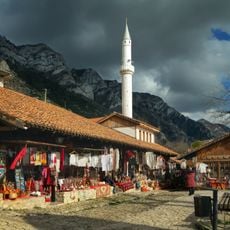
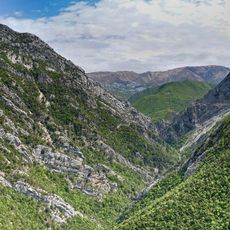
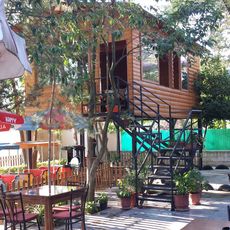
Krujë Fortress is a castle complex on a mountainside in Albania featuring preserved stone walls, watchtowers, and several entrances with views over the valleys below. Within the walls sit an ethnographic museum, traditional restaurants, an old bazaar, and visitor accommodations.
The fortress was first built by Byzantine rulers and later became the center of Albanian resistance against Ottoman forces under Skanderbeg in the 15th century. This period shaped it permanently as a symbol of national independence in Albanian history.
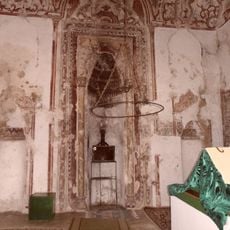
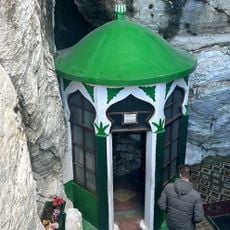
Inside the walls stand the Teqe of Dollme, a Bektashi Sufi lodge, and the National Skanderbeg Museum, opened in the early 1980s and designed by architects Pranvera Masha and Pirro Vaso. The Ethnographic Museum occupies a house built in the manner of a 19th-century Krujë home, showing tools, food and furniture of household life.
The site sits on a mountainside and requires walking or driving uphill, so wear sturdy shoes and be prepared for physical effort. It helps to arrive early so you can explore the pathways inside the walls without feeling rushed and enjoy the views at a comfortable pace.
The fortress appears on the reverse of the Albanian 1000 lekë banknote of 1992–1996 and on the 5000 lekë note issued from 1996. Inside the walls, the National Skanderbeg Museum was built in the early 1980s by architects Pranvera Masha and Pirro Vaso.
The community of curious travelers
AroundUs brings together thousands of curated places, local tips, and hidden gems, enriched daily by 92,772 contributors worldwide.