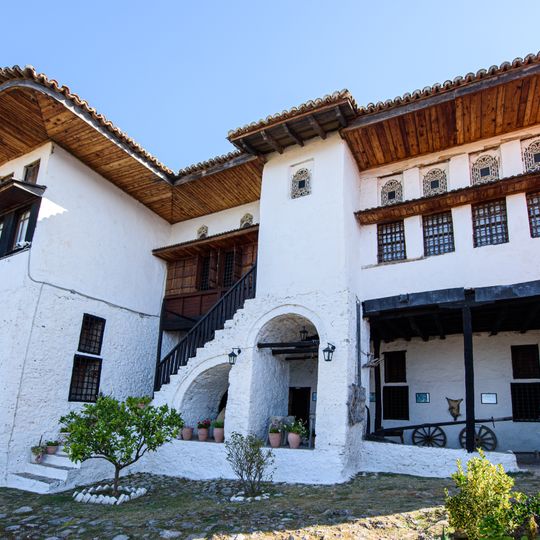
National Ethnographic Museum, Ottoman residence museum in Krujë, Albania
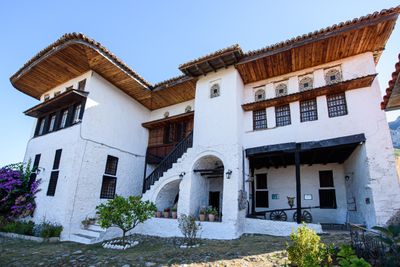
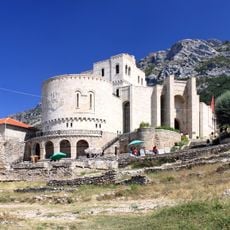
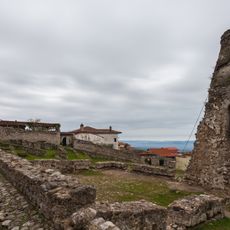
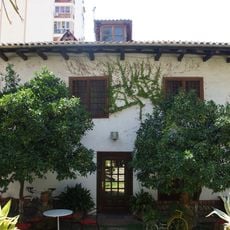
The National Ethnographic Museum occupies a three-story Ottoman-era house positioned within the fortress walls and preserves objects from daily life across different periods. Each floor contains rooms filled with furniture, crafts, textiles, and household equipment that illustrate how residents moved through their home and conducted their daily activities.
The building was constructed in the 19th century as a private residence for the Toptani family, a powerful local lineage whose members shaped regional affairs. The house was later converted to serve as a museum, transforming it from family home into a public space for understanding the past.
The rooms tell the story of how families lived and worked through household objects, clothing, and tools that reflect daily routines and crafts. You can observe how the house itself was designed around social customs and family roles that shaped the way people used each space.
Access is straightforward since the museum sits within the fortress complex where visitors explore multiple sites in sequence. The staircases are narrow and steep, so wear comfortable shoes and allow time to climb between all three floors at a measured pace.
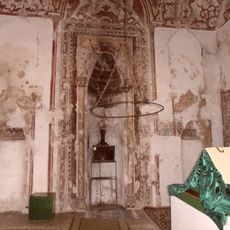
The interior walls feature hand-painted frescoes dating to the 18th century, still visible and revealing the artistic tastes of those who lived here long ago. The property includes a private hammam and a watermill, showing the scale of resources the family commanded and the services available within their own home.
The community of curious travelers
AroundUs brings together thousands of curated places, local tips, and hidden gems, enriched daily by 91,411 contributors worldwide.