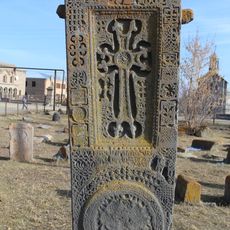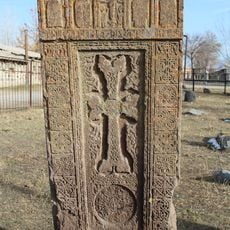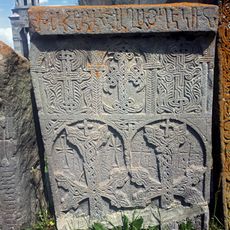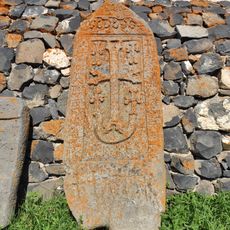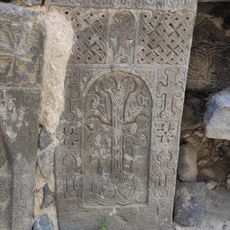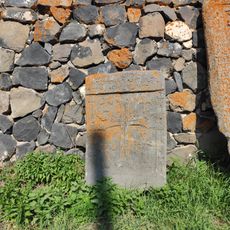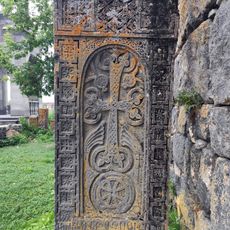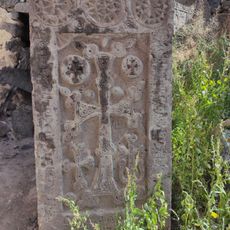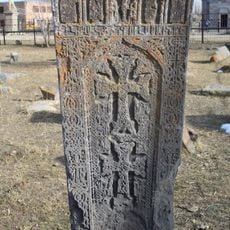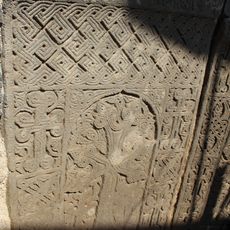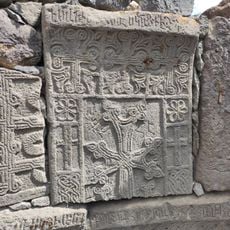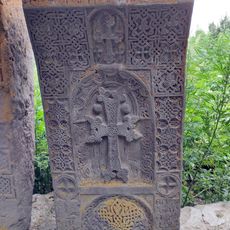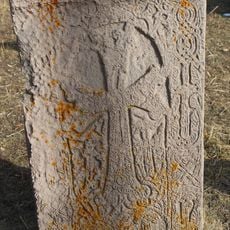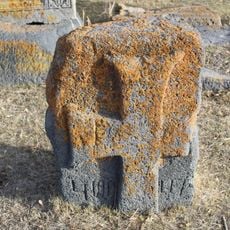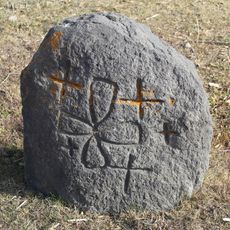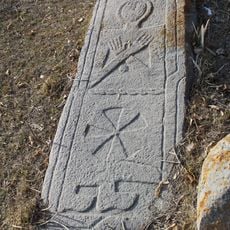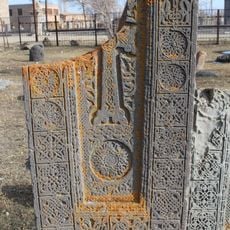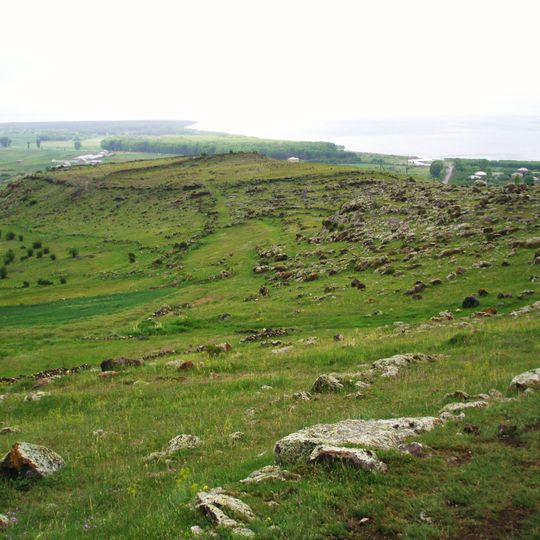
Tsovinar inscription, Ancient cuneiform inscription near Lake Sevan, Armenia
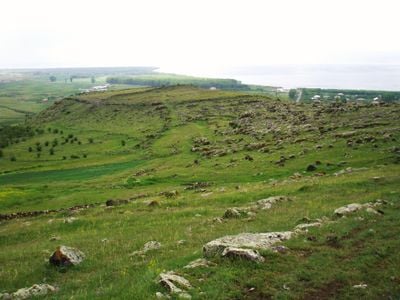
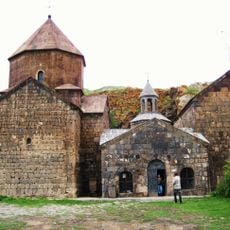
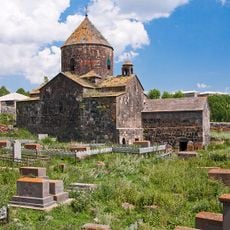
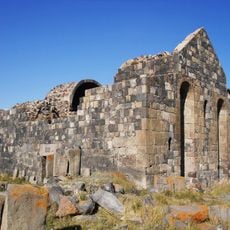
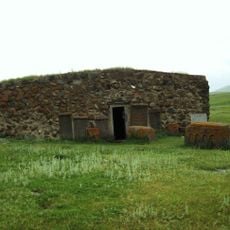
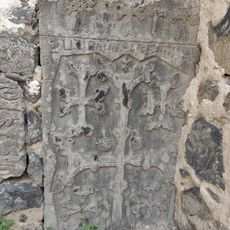
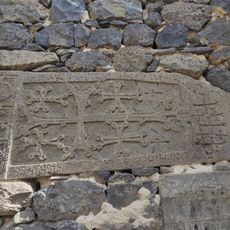
The Tsovinar inscription is an ancient text carved directly into the stone walls of Odzaberd Fortress on the eastern shore of Lake Sevan. The cuneiform characters spread across multiple stone blocks that form part of the fortress structure.
The inscription was created during the reign of King Rusa I in the 8th century before Christ and documents a military campaign of that era. It provides evidence of the Urartian Kingdom's expansion and its conquests during this period.
The inscription represents a vital source of information about Urartian language, administrative systems, and military achievements in the ancient Near East.
The site is located near the village of Tsovinar, which serves as the starting point for a visit. It is advisable to allow sufficient time to explore the fortress area and to account for the terrain conditions.
The inscription lists geographical place names and administrative boundaries that allow researchers to reconstruct the ancient political divisions of the region. These specific details make it a valuable source for understanding territorial organization in antiquity.
The community of curious travelers
AroundUs brings together thousands of curated places, local tips, and hidden gems, enriched daily by 91,120 contributors worldwide.