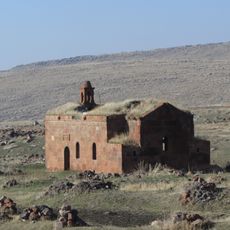
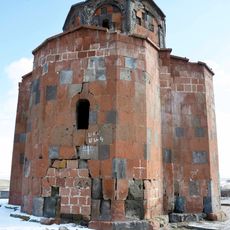
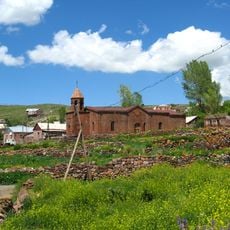
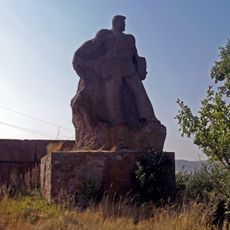
Hogevank Monastery, Medieval monastery in Sarnaghbyur, Armenia
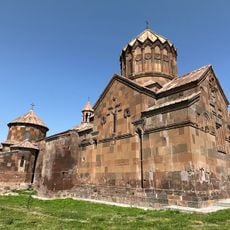
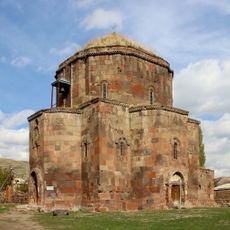
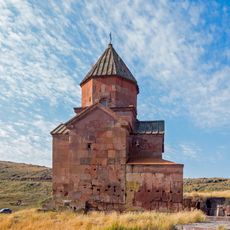
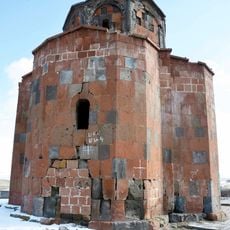
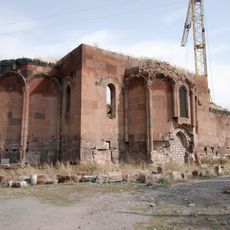
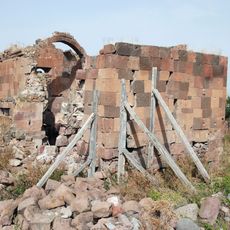
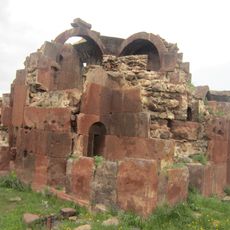
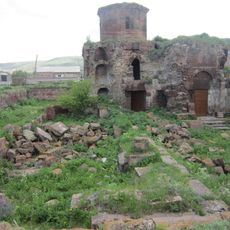
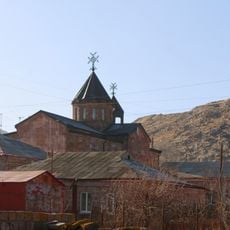
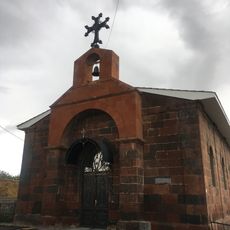
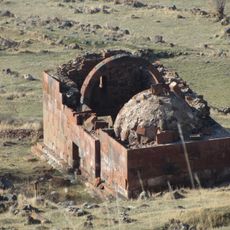
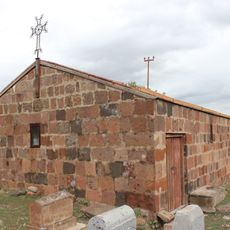
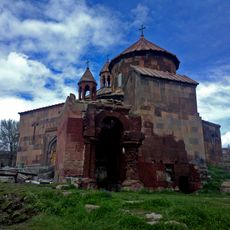
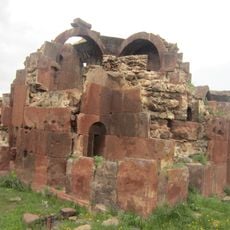
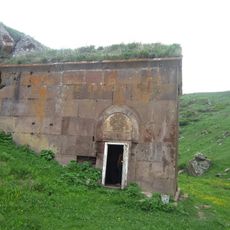
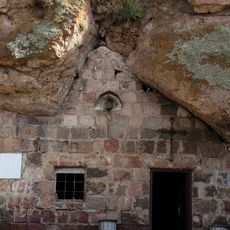
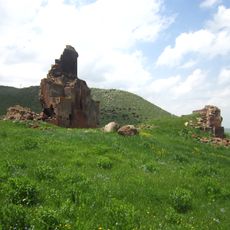
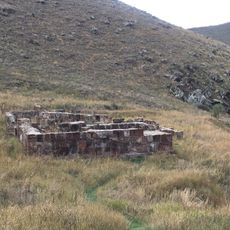
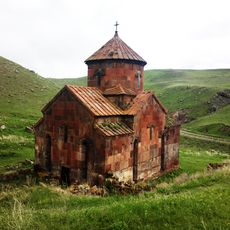
Hogevank Monastery is a domed-hall church built of red tufa, with two entrances on the west and north sides. A semicircular apse stands at the east end, flanked by rectangular vaulted chambers. About 50 m north of the main church, the lower wall courses of a 5th-century single-nave church and a 7th-century four-apse church survive, their apses three-sided on the outside.
According to the inscription above the north entrance, Hogevank was built in 1205. Father Stepanos Avetisyan of the Sarnaghbyur community noted that some documents mention the monastery as early as the 7th century. It was last repaired in 1985, and on 23 November 2013 Bishop Mikael Ajapahyan of the Shirak diocese consecrated it.
The main church is popularly called Surp Karapet, but inscriptions inside record that it was consecrated as Surp Stepanos. North of it stand the lower wall courses of a single-nave 5th-century church and a four-apse 7th-century church. The monastery was reconsecrated on 23 November 2013 by Bishop Mikael Ajapahyan of the Shirak diocese.
The monastery stands 3 km northwest of Sarnaghbyur in Shirak Province, reached by an unpaved approach; sturdy footwear suits the uneven ground around the collapsed 5th-century chapel and 7th-century four-apse sanctuary north of the main church. The dome was rebuilt in the 1980s after the 1939 earthquake, so the drum and roof are later work. The site was reconsecrated on 23 November 2013 by Bishop Mikael Ajapahyan of the Shirak Diocese.
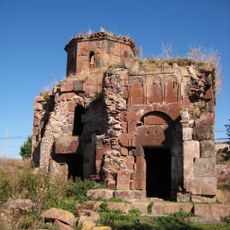
About 50 m north of Surp Karapet stand the lower wall courses of two earlier churches: a single-nave building of the 5th century and a four-apse church of the 7th century, whose apses are three-sided on the outside. The main church itself was consecrated as Surp Stepanos, though people call it Surp Karapet.
The community of curious travelers
AroundUs brings together thousands of curated places, local tips, and hidden gems, enriched daily by 92,653 contributors worldwide.