Aghavnavank Monastery, Medieval monastery in Tavush Province, Armenia
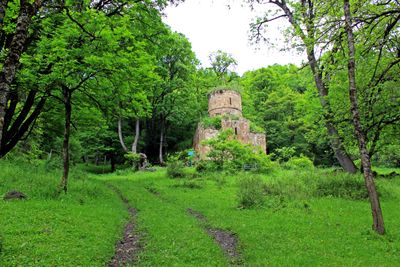
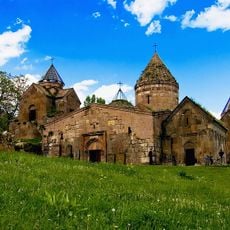
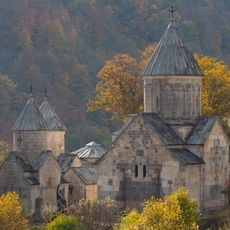
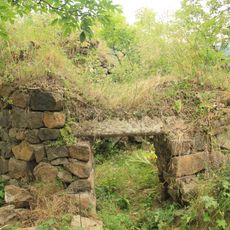
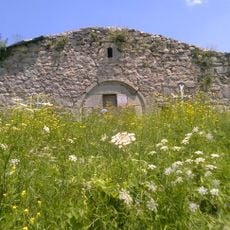
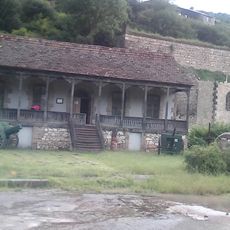
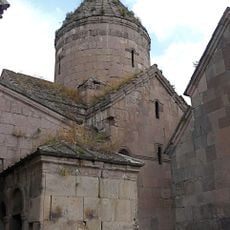
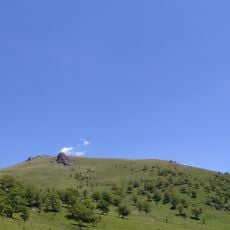
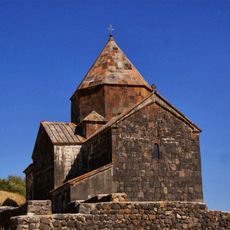
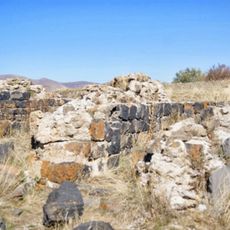
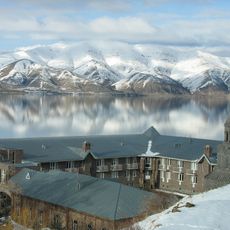
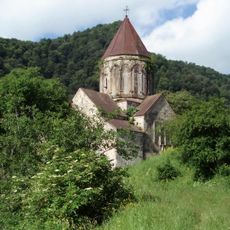
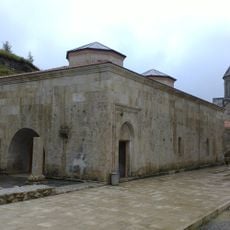
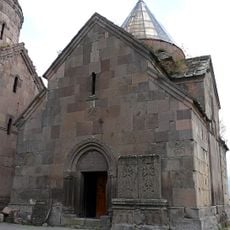
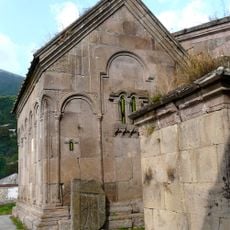
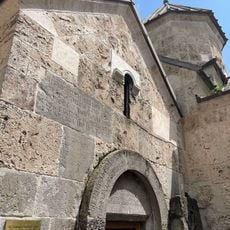
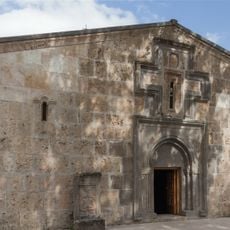
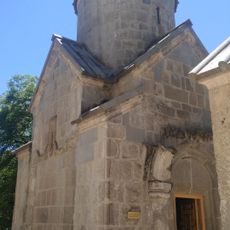
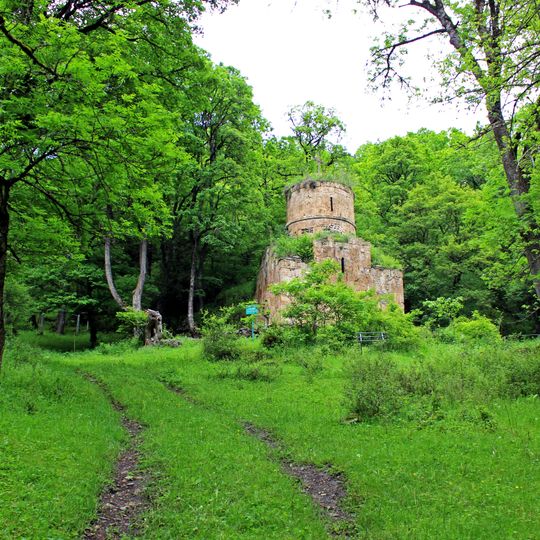
Aghavnavank Monastery is a stone complex set on a mountain slope in the Tavush Province of northeastern Armenia. It groups a church, a chapel, and several residential and utility buildings around a shared courtyard, all built from local stone.
The monastery was founded in the 12th century, during a period when Armenian church communities were building new monastic sites across mountainous regions. Over the following centuries the complex was altered and expanded before reaching the form it has today.
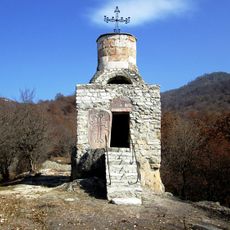
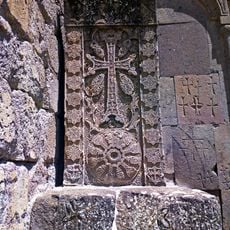
Throughout the grounds, carved stone crosses known as Khachkars stand against walls and along pathways, each one shaped with interlaced patterns that medieval stonecutters left as marks of devotion. These crosses are one of the most visible signs of how Armenian religious tradition expressed itself through craftsmanship.
The monastery is reached by hiking paths that wind through forested slopes and connect to the nearby village of Aghavnavank. Good footwear and enough water are worth bringing, as the route goes uphill and there are no supplies available along the way.
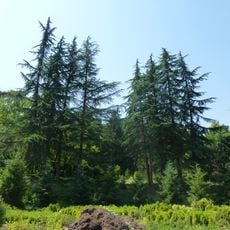
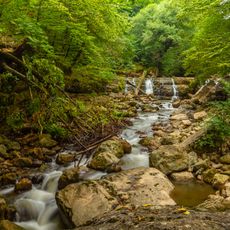
The forest around the monastery is known for its yew trees, a species the sources single out as growing here and highly valued. About 50 metres from the church, on the riverbank, a picnic table stands among the trees. Visitors have turned one tree a few metres from the entrance into a "wishing tree", tying handkerchiefs to its branches while holding a wish in mind.
The community of curious travelers
AroundUs brings together thousands of curated places, local tips, and hidden gems, enriched daily by 92,644 contributors worldwide.