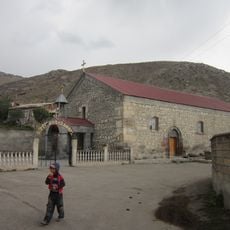
Matosavank, 13th-century monastery in Dilijan National Park, Armenia
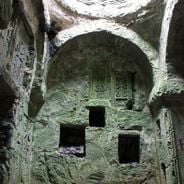
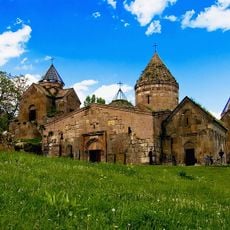
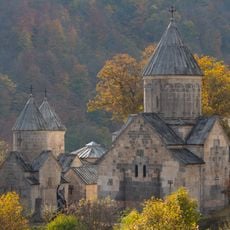
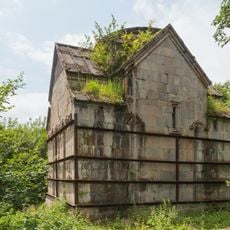
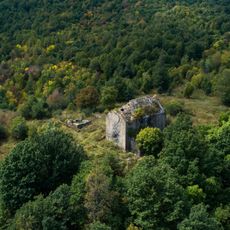
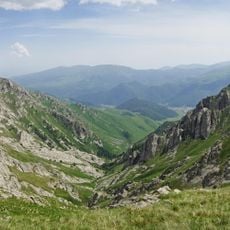
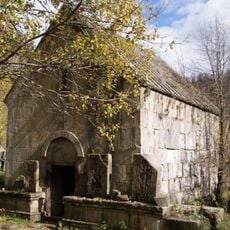
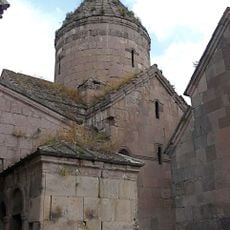
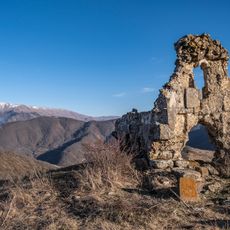
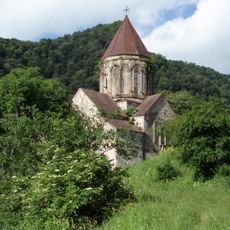
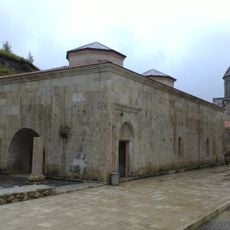
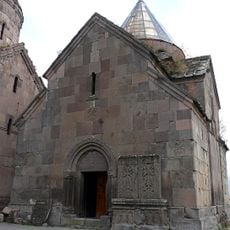
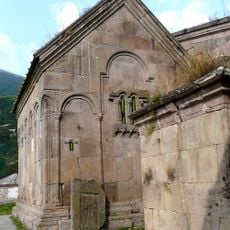
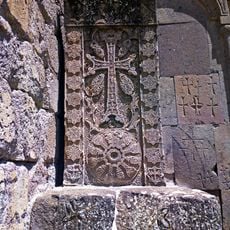
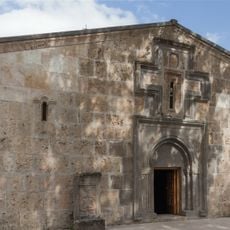
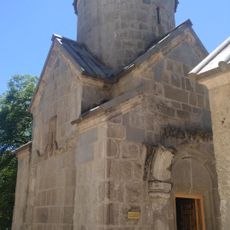
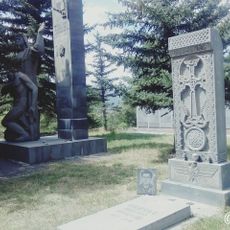
Matosavank is a ruined 13th-century Armenian monastery in the forest of Dilijan National Park. Its church, Surb Astvatsatsin of Pghndzahank, measures 6.5 by 3.5 metres and is built of roughly hewn stone with lime-plastered interior walls. A gavit with an almost square plan and a book depository of 4 by 3.5 metres adjoin it; all three have vaulted ceilings that largely survive. The single entrance is on the west, and a large khachkar dated 1251 stands against the north wall.
The site was founded in 1247 under Avag Mkhargrdzeli following his submission to Mongol forces entering the region. This moment reflected the changing political circumstances that affected Armenian religious institutions during that era.
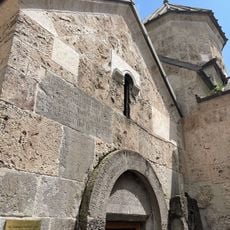
The monastery is also known as Pghndzahank, meaning "copper mine," and its church as Surb Astvatsatsin of Pghndzahank. A large khachkar dated 1251 stands against the church's north wall, and carved cross-stones with inscriptions are set into the west wall. Curses in the entrance inscriptions suggest the monastery once followed the Chalcedonian rite.
The site sits roughly 3 kilometers northwest of Dilijan town and is reached by forest paths where signage requires close attention. Visitors should prepare for uneven ground and bring suitable footwear and clothing for walking conditions.
Stone inscriptions carved into the exterior walls document foundation details, allowing visitors to read historical information directly from the structure itself. These carved records provide a direct link to the establishment period without needing outside sources.
The community of curious travelers
AroundUs brings together thousands of curated places, local tips, and hidden gems, enriched daily by 92,647 contributors worldwide.